How to achieve the lowest TCO for pumps
Text Valérie CouplezImage iStock
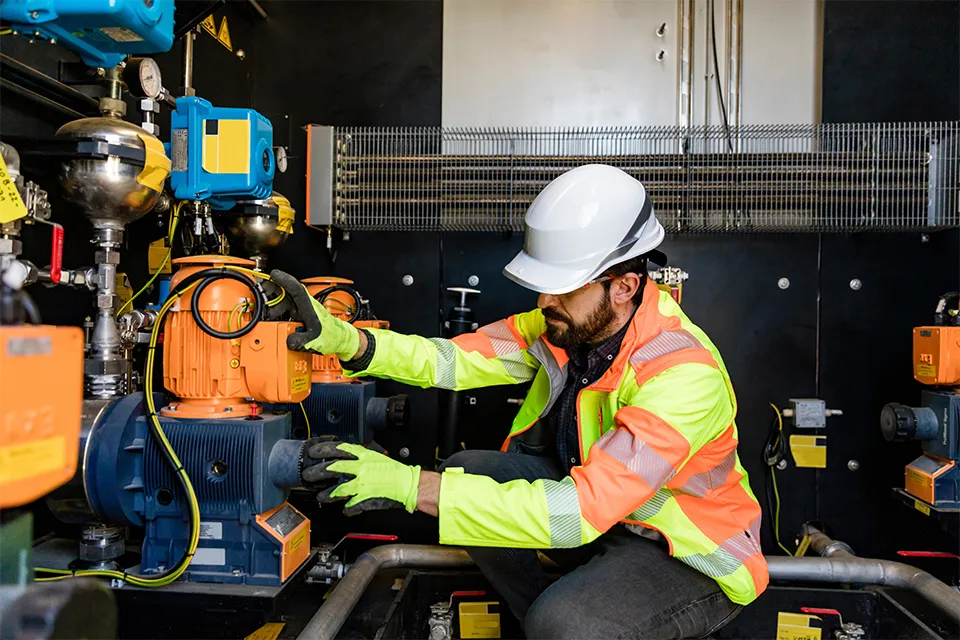
With good planning, it is possible to reduce the Total Cost of Ownership (TCO) over the lifetime of the pumping system. There are many ways to achieve this. Matching the pump correctly to the application is crucial. Analysing pump performance in existing applications, where possible, should be part of the selection process. Oversizing pumps ‘to be on the safe side’ is a common mistake and one of the main causes of excessive energy consumption.
There is no one-size-fits-all solution for improving a pump’s operating efficiency, because numerous factors affect performance once it has been installed and commissioned. What pump manufacturers can do is develop a pumping system that makes optimum use of energy-saving components and technologies, and support customers during the selection and specification process.
Don’t waste energy
The efficiency of the hydraulic components must be matched precisely to the required performance. Impeller diameter is one specific example of a hydraulic element that affects performance. Oversized impellers waste energy. Trimming the impeller’s outside diameter to deliver exactly the required flow rate can save up to 10% energy. This can also reduce maintenance costs and extend service life.
Control your pump speed
Controlling pump speed offers by far the greatest savings potential, yet matching power consumption to actual demand is still far from standard practice. Technology is available to match pump speed precisely to the required output. Using a variable frequency drive provides dynamic pressure compensation and delivers additional savings at low flow rates. Throttling is another approach. However, variable frequency drives can reduce energy consumption by up to 60%. For pumps that run continuously, the higher initial cost of a variable frequency drive is quickly recovered through lower energy costs.
Know your BEP
All pumps have a so-called ‘best efficiency point’ (BEP): the combination of head and flow rate at which the pump operates most efficiently. Operating pumps at or near their BEP prevents problems such as cavitation and vibration, which can cause impeller erosion or accelerated wear of bearings and seals. Selecting a pump with a BEP close to the system’s required operating point helps reduce operating and maintenance costs over the long term.
What gets measured gets managed
Advanced measurement and data-logging equipment can help establish the pump’s actual load profile and compare it with the design specifications. Measuring instruments record suction pressure, discharge pressure, differential pressure and head. Calculating these values produces a pump curve showing the operating range and providing a load profile for the pump. This enables the manufacturer/supplier and user to determine whether the pump is operating cost-effectively or whether availability is at risk. The results:
• Potential savings can be identified (energy efficiency analysis).
• The causes of any damage can be determined (damage analysis).
On-site measurements using instruments connected to a data logger create an operating record of process and vibration variables. Mobile performance measurements in the control cabinet can determine the pump’s real power, regardless of location.
Unlock the greatest potential
Pumps are system components that consume large amounts of electricity, typically around 32% of TCO. This represents significant savings potential. In terms of the drive, the motor in pump units can deliver savings of around 10%. Optimising the pumps’ hydraulic efficiency can yield savings of up to 20%. Analysing and optimising the entire circuit can increase the potential to as much as 60%
Question about this story? Ask your question
Keep following this
Get an email when a new story is published. No account needed.
- SubjectControl & networks