Choosing the right electric actuator starts with the right criteria
Text and images SMC Nederland
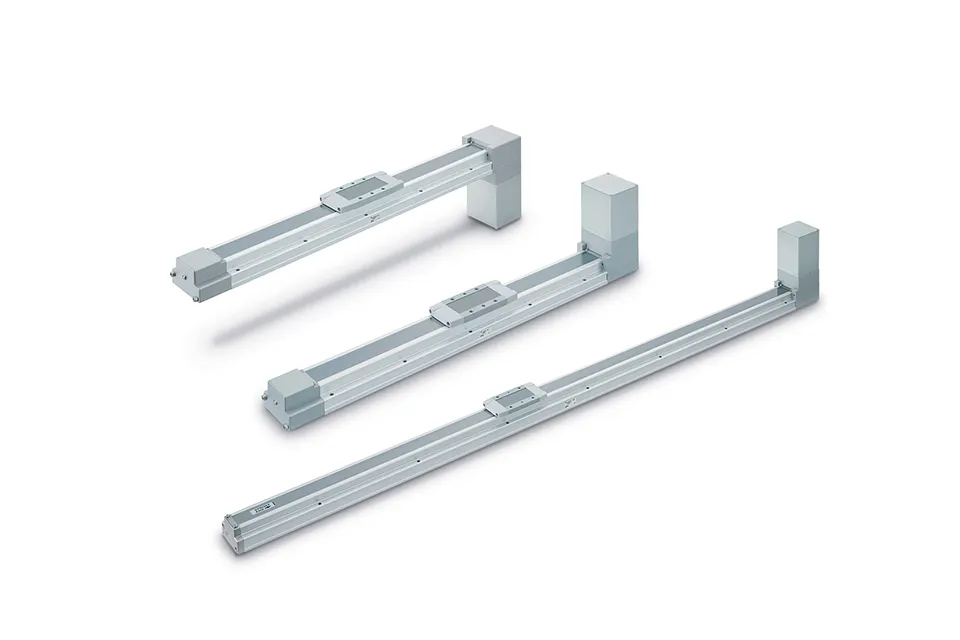
The electrification of machine movements is gathering pace. Machine builders are increasingly switching from pneumatic or traditional drive systems to electric actuators in response to growing demand for flexibility, positioning accuracy and data integration.
However, choosing an electric actuator often proves less straightforward in practice than expected. The actuator itself, as well as the drive type, motor, speed and scope for future expansion, all have a major impact on machine performance. Choosing an electric actuator may seem straightforward: you have determined that an electric drive is the best solution for a specific movement in your machine. But this presents a new challenge. Which type of actuator should you choose? Which drive is most suitable? And which motor is the best fit for your application?
Drawing on its day-to-day conversations with customers and its experience in motion control, SMC Nederland discusses several key considerations in this article to help you make the right choice.
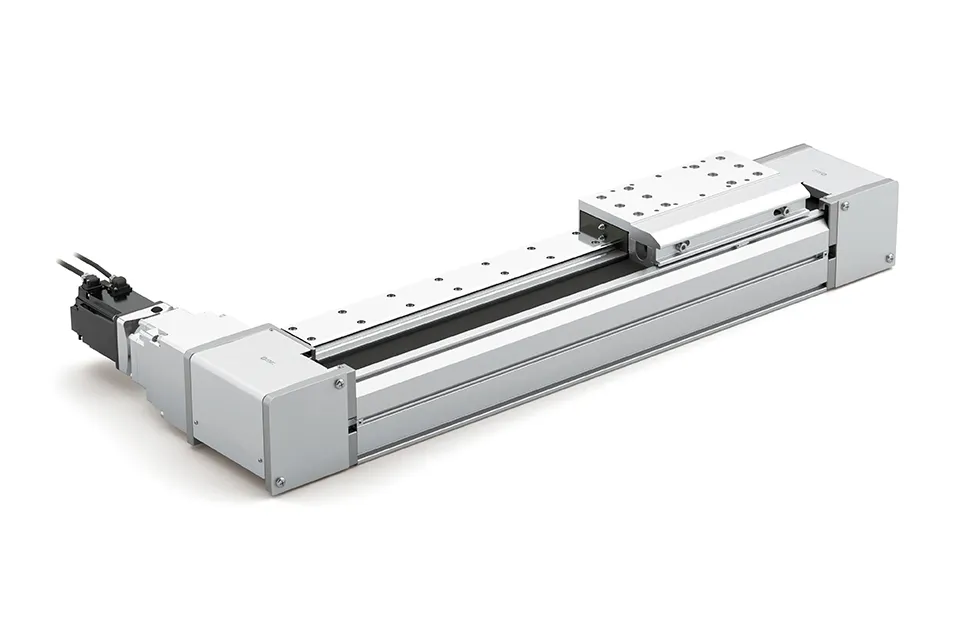
Belt drive or ball screw?
One of the first decisions concerns the drive type: an electric actuator with a belt drive or a ball screw. The most suitable solution depends on the application and system requirements. Where a very long stroke is not required, a ball screw actuator is often the best choice for precision positioning applications. These actuators achieve a repeatability of ±0.01 mm, while belt-driven versions typically achieve around ±0.08 mm.
Safety is also an important consideration. Thanks to the mechanical connection between the screw and nut, a ball screw offers a robust design. This is particularly relevant in vertical applications. Belt drives often require additional safety measures to prevent unwanted movement if the belt is damaged.
Many users assume that a ball screw is always slower than a belt drive. In theory, this is correct: the maximum speed is generally lower. In practice, however, a movement consists of acceleration, maintaining a constant speed and then deceleration. As a result, the maximum speed of a belt drive is not always reached. For applications with a stroke of up to approximately 800 mm, the total positioning time of a ball screw actuator is therefore often the same as, or even shorter than, that of a belt-driven version.
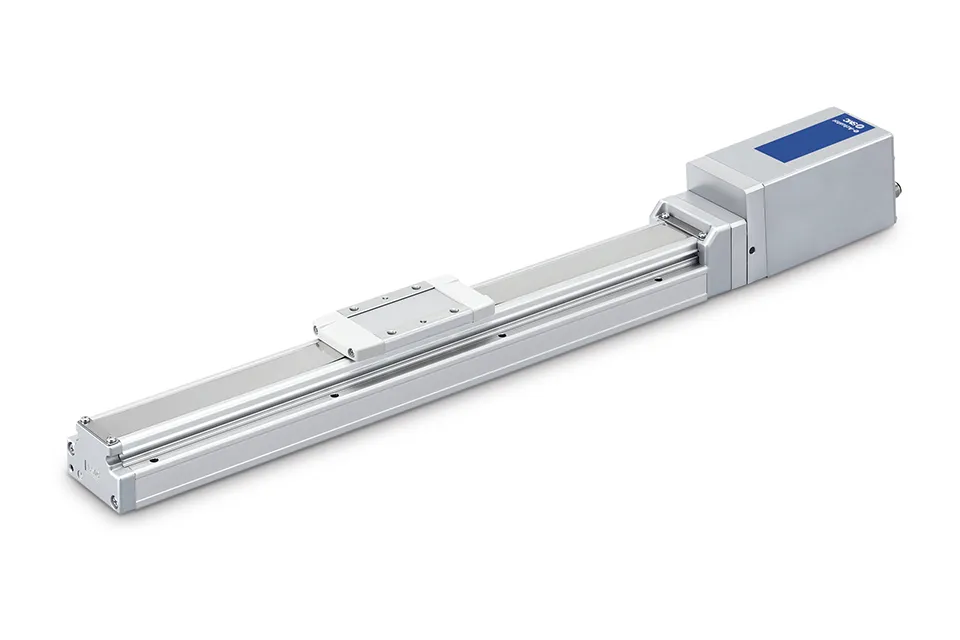
Belt drives also require regular maintenance under high loads. The belt must be checked and tensioned periodically. Wear can cause the belt to stretch, meaning stored positions need to be checked again and adjusted if necessary. A ball screw actuator, by contrast, is essentially maintenance-free.
Stroke length versus speed
One consideration with electric ball screw actuators is that maximum speed decreases as stroke length increases. This is due to design limitations. Two factors are decisive: rotational speed and the unsupported length of the screw. When the stroke exceeds a certain value, rotational speed must be reduced to prevent resonance. This also reduces the linear speed of the actuator.
To achieve the required performance, actuators with different screw leads can be used. If this is not sufficient, versions with intermediate guides or additional support are available. This reduces the distance between the nut and bearing, preventing resonance.
Stepper motor or servo motor?
Another common question is which motor is most suitable: a stepper motor or an AC servo motor. The answer depends on several factors, including the required performance, personal preferences and budget. There is therefore no standard answer that applies to every application. One important difference is the torque available across the motor's speed range. AC servo motors can maintain their rated torque across almost the entire rated speed range, for example up to 3,000 rpm. Stepper motors, by contrast, deliver maximum torque at lower speeds. As speed increases, the available torque drops significantly. In short, a stepper motor is an excellent choice for low-speed applications. An AC servo motor is preferable when high dynamics, rapid acceleration and optimum performance are required.
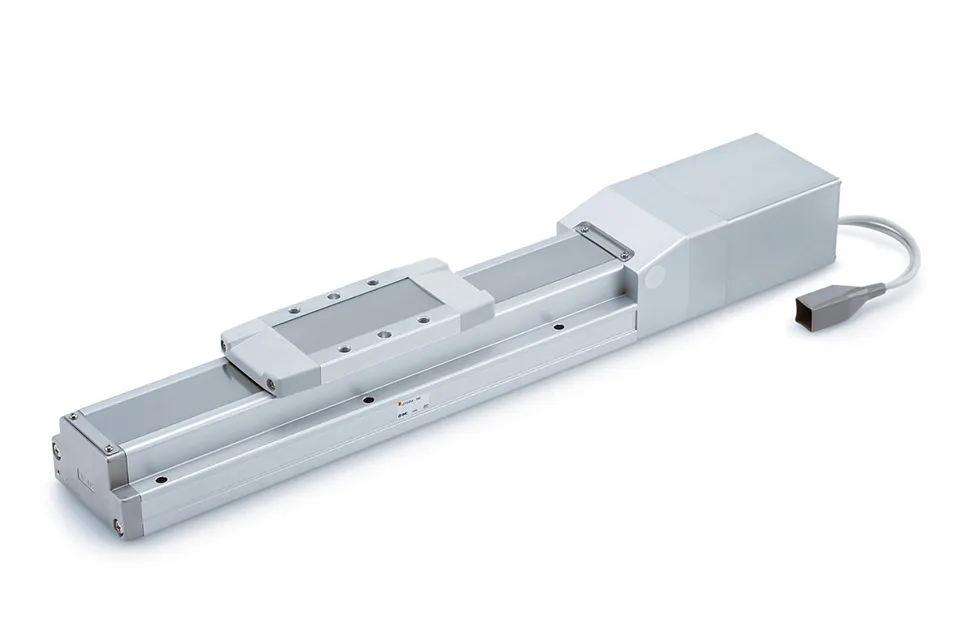
Modernising and replacing existing systems
Specialist knowledge is also essential for retrofit and replacement projects. SMC regularly receives enquiries from customers looking to replace an outdated or discontinued drive. A future-proof solution is to choose a supplier that develops new generations of products that are fully compatible with earlier versions. This often allows the existing hardware to be replaced on a like-for-like basis, while also benefiting from improvements in operation, performance and Machine Safety.
The right expertise makes all the difference
Whether it involves product selection, application assessments, machine design or optimising existing installations, expert advice helps you make the right choices in motion control. To get the most out of electric actuators, start with the movement, not the product. SMC supports machine builders in translating application requirements into a reliable, future-proof drive solution.
Een zakelijke vraag aan SMC? Get in touch
Companies in this story
Keep following this
Get an email when a new story is published. No account needed.
- ThemeTailored motion and drive systems
- SubjectMotion, gears & drives
- CompanySMC