Water quality under control: the key to safe production
Text Evi HussonImage Elscolab
The key parameters for reliable water quality
In the pharmaceutical and biotech industries, water quality and purity are essential for production. They often have a direct impact on the safety of medicines and other finished products. This makes water quality monitoring crucial. Wouter Postuma and Kevin Boels, who work at Elscolab, explain the key parameters for determining water quality.
“Purified water, Purified Water (PW) or Water For Injection (WFI), is an important raw material in the pharmaceutical and biotech industries. Some companies buy purified water, while others produce it themselves by upgrading water from quarries or groundwater using filtration processes, UV treatment and purification. Depending on the end product and target market, different guidelines and requirements apply to the purified water. Measuring and monitoring its quality is therefore essential for production.” Kevin Boels, Sales Support Manager Process at Elscolab, which specialises in measurement, control and laboratory equipment, explains. His colleague and Sales Engineer Wouter Postuma adds: “Three parameters are important for determining water quality: conductivity, TOC (Total Organic Carbon) and bioburden, or microbial contamination. If you have these three parameters under control, your water system is under control.”
Conductivity
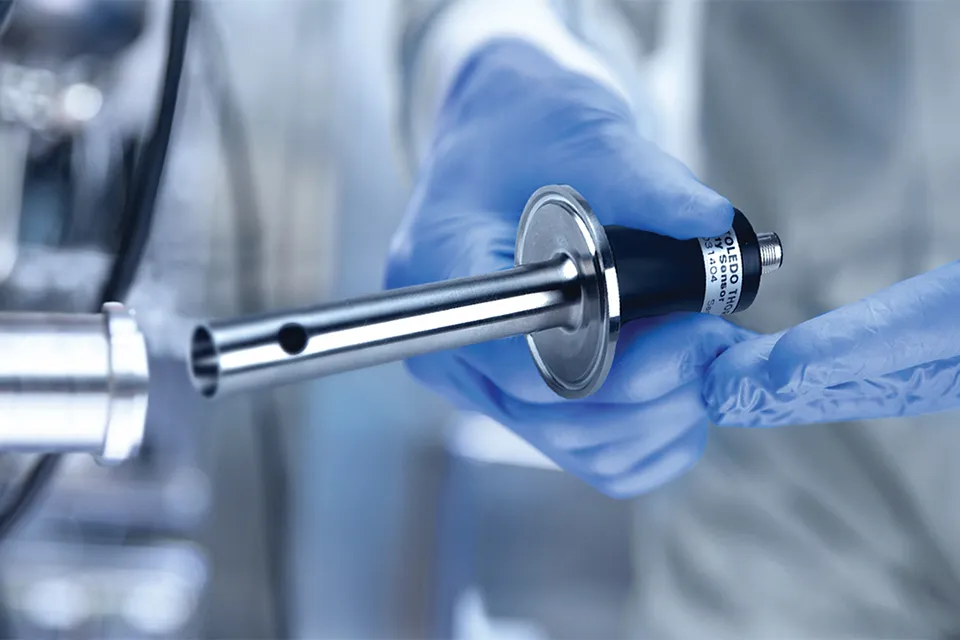
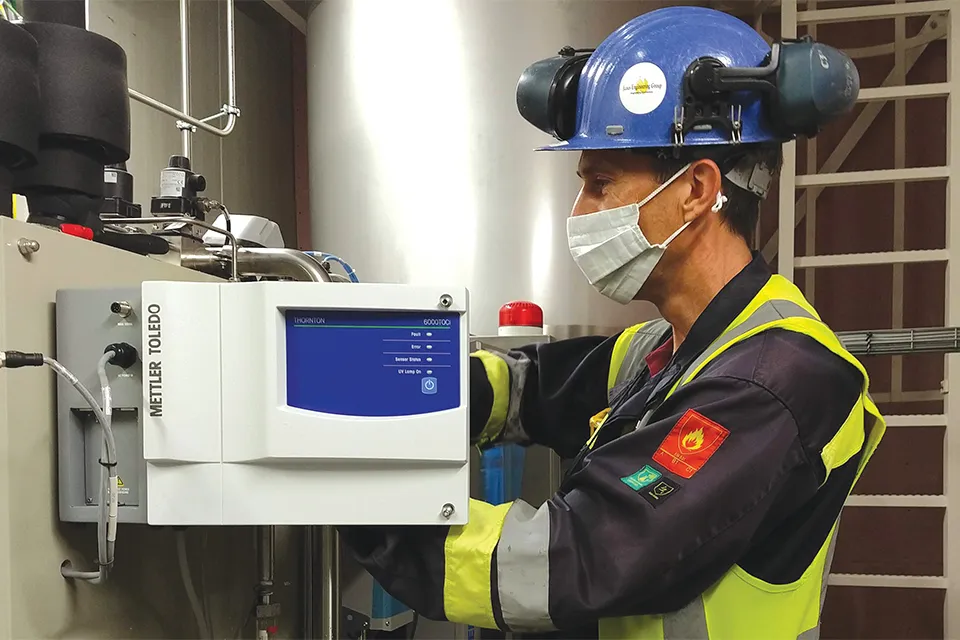
Conductivity is one of the most commonly measured parameters. It measures the total quantity of conductive substances. Boels: “Digital conductivity sensors are now an indispensable part of industry and are more accurate than their conventional predecessors. Digitalisation makes installation straightforward, and calibration is also very simple. It takes place while the sensor is installed in the pipe. This saves time and reduces the risk of contamination, as the sensor does not need to be removed from the process.”
TOC
The second key parameter to monitor is TOC. Postuma: “Non-conductive organic substances are measured using a Total Organic Carbon (TOC) analyser. To save time, it is important to choose an analyser that continuously analyses the water. Periodically taking a sample to determine TOC is really outdated.”
Bioburden
The same is now possible when measuring bacterial contamination. Boels: “The traditional method for measuring bioburden involves taking a sample and culturing it on a nutrient medium. After about five days, it becomes clear whether a bacterial colony is visible. If the limit values have been exceeded, the company concerned must take action quickly, such as flushing the pipes or sterilising the system.” Postuma adds: “The major drawback is that this method takes a great deal of time. What is more, you only find out five days later whether the measures taken have worked.”
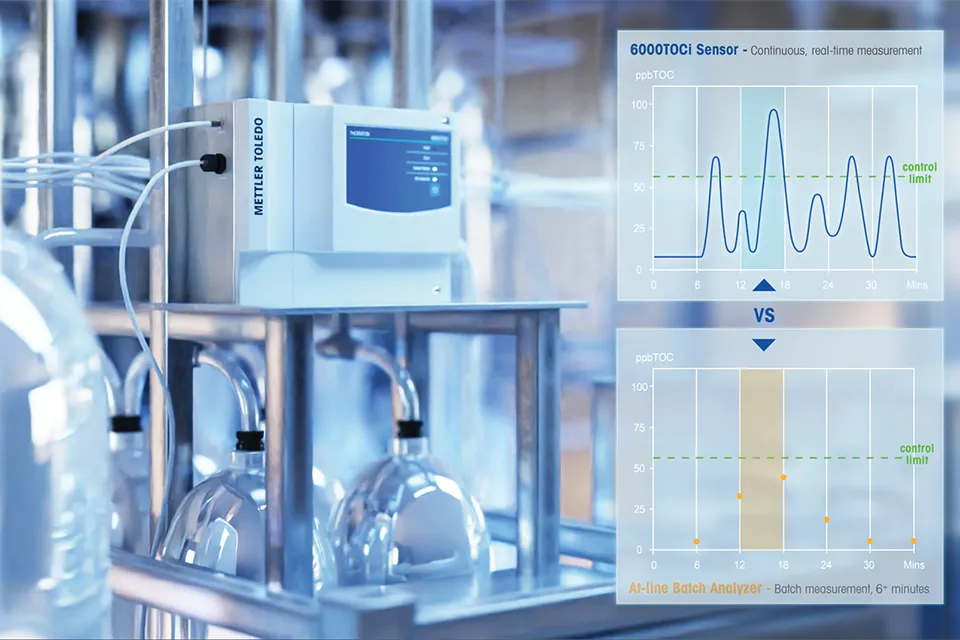
Unlike the traditional method, a Realtime Microbial System continuously analyses the water flow. Postuma: “This analyser detects every individual bacterium, giving you better control over your entire system. You are no longer relying on a snapshot, and you immediately know whether the measures taken have been effective.” These new bioburden analysers pay for themselves very quickly, Boels explains: “A customer recently told me that early detection of bacteria had allowed them to flush the system before the organisms could spread to critical locations. The investment in these analysers had therefore paid for itself within a month. In short, future-proofing water quality means choosing reliable digital measurement systems and continuous real-time monitoring. This is the key to safe production. We are happy to help companies achieve this.”
WoTS 2026: Hall 7, Stand E026
A business enquiry for ELSCOLAB? Get in touch
Companies in this story
Keep following this
Get an email when a new story is published. No account needed.
- ThemeKeeping processes stable and clean
- SubjectWOTS 2026
- CompanyELSCOLAB