












Trade fair gets a fresh look, with a great deal of attention on AI
Text and images Ferdi den Bakker
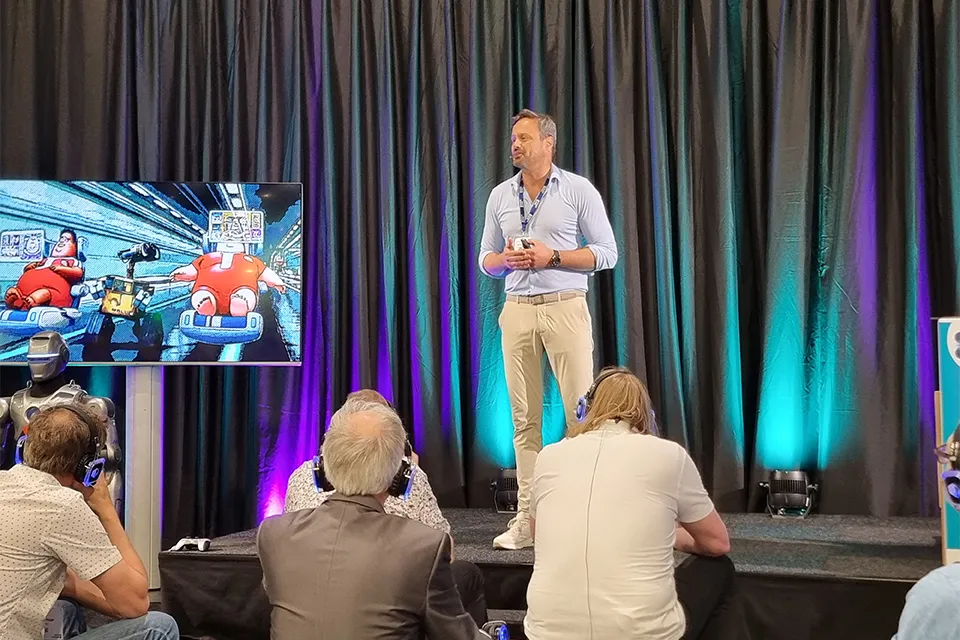
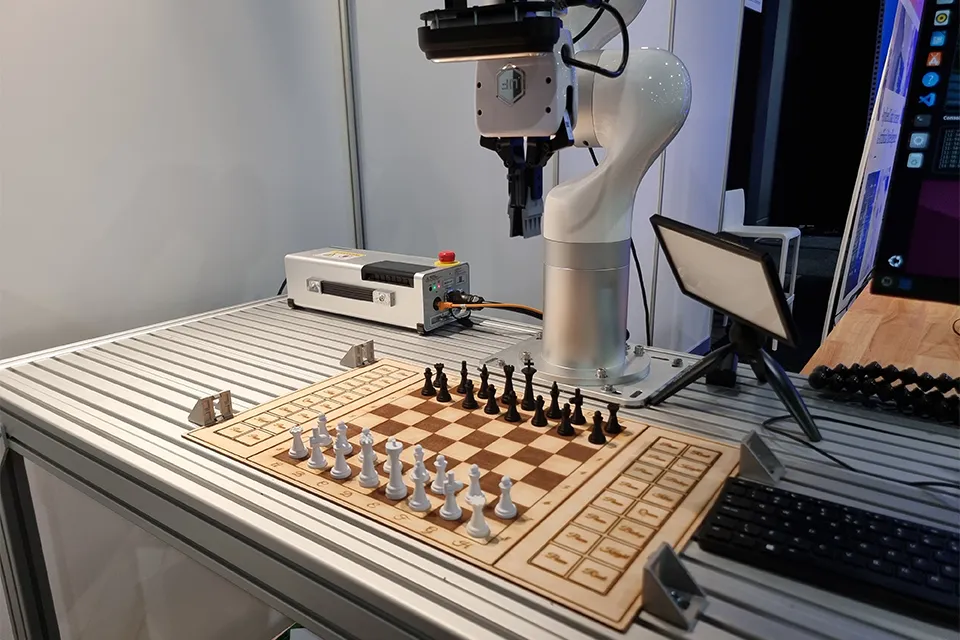
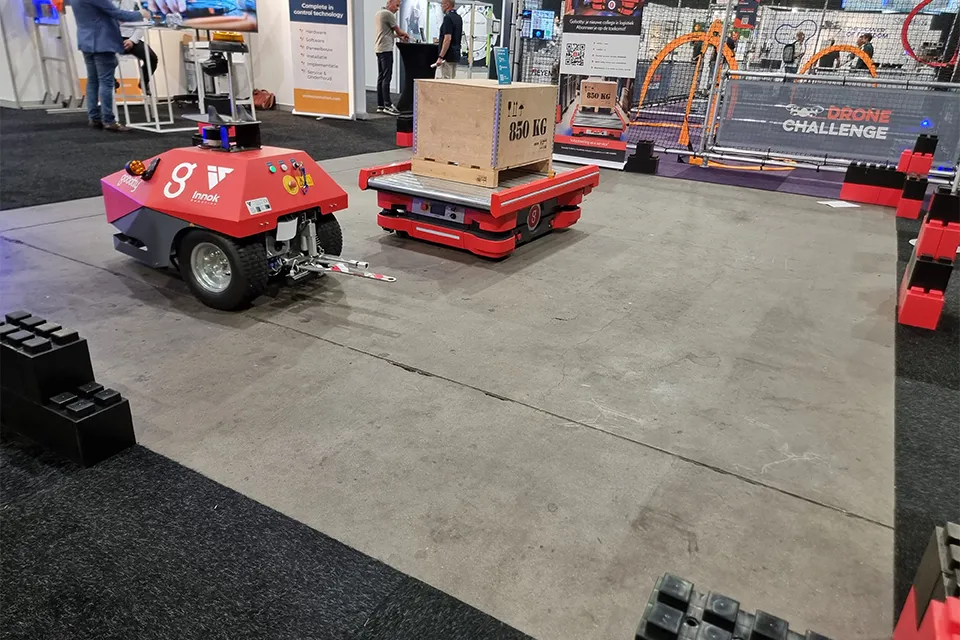
For two days at Automation Xperience in Den Bosch, the Dutch industrial sector could immerse itself in all kinds of automation, complemented by modern technology. Smart machines and robotic systems, alongside AI applications, were at the heart of the event. The conclusion was that technology systems can already take over a great deal of work, but the questions of how and where to start remained firmly on the table.
The industrial sector continues to perform well, particularly when it comes to the innovation embodied in its products and solutions. In the Netherlands, it is not an industry made up of companies focused on mass production. The market consists mainly of SMEs looking for specialist solutions to practical challenges. At Automation Xperience, the sector found what it was looking for: tools showing how to make production processes smarter and faster, alongside numerous sessions on technologies that help vision systems and robot arms perform better.
‘Opportunities for SMEs compared with corporates’
Alongside numerous stands and demos, the event also featured several knowledge sessions. One of these focused on AI agents. Merwin de Jongh, founder of AI company Repetitive, said he sees significant opportunities for SMEs. “Those opportunities arise because, as a business owner, you can respond to customer requests much faster than a competitor. This is especially true compared with corporate companies.” De Jongh would like to see companies start adopting AI, at least at an operational level. “Just get started, and don’t object if AI suggests something that differs from what you expected. It may turn out to be useful after all. I see greater danger in not using AI. You can still fall back on employees for now, but will that still be the case in a few years?”
‘Will the robot be ready for deployment tomorrow?’
The number of humanoid robots in manufacturing is growing, but development is moving particularly fast in China and the US. A presentation on the subject showed that there are plenty of opportunities in the Netherlands too, but that questions remain to be answered. Richard Kuijpers of Smartrobot Solutions says many companies still come to him asking for a humanoid robot that can ideally be deployed tomorrow. “We get that question every week. But it first needs extensive training, for example using a digital twin. The good news is that the training time is falling rapidly.” His company specialises in carrying out tests and creating use cases. “I always advise companies to start by setting up a concept and only invest in a larger, real robot once it works.”
Trends and a new business model
Trends were shared with visitors on the second day of Automation Xperience. Under the motto ‘understand the trends, build the machines’, Roy van der Heiden of Schneider Electric and Mathieu Garré of Automotion discussed the main developments. “For us, these are the combination of flexibility and machine building, regulation, sustainability, circularity and digitalisation.” Technology makes a great deal possible, but businesses that want to benefit fully from greater flexibility would be well advised to establish a solid IT framework. “Aim for clarity and avoid disorder, including in your systems and data. You cannot scale up in a state of disorder.” The speakers also urged attendees to take cybersecurity and digital documentation seriously. “The latter gives your company the opportunity to evolve from selling products to offering a lifecycle and the associated business models.”
Question about this story? Ask your question
Keep following this
Get an email when a new story is published. No account needed.
- ThemeFlexible production with robots
- SubjectNews







