Safety as a building block of smart automation
Text and images Axelent
Why a considered approach to safety makes all the difference in modern production environments
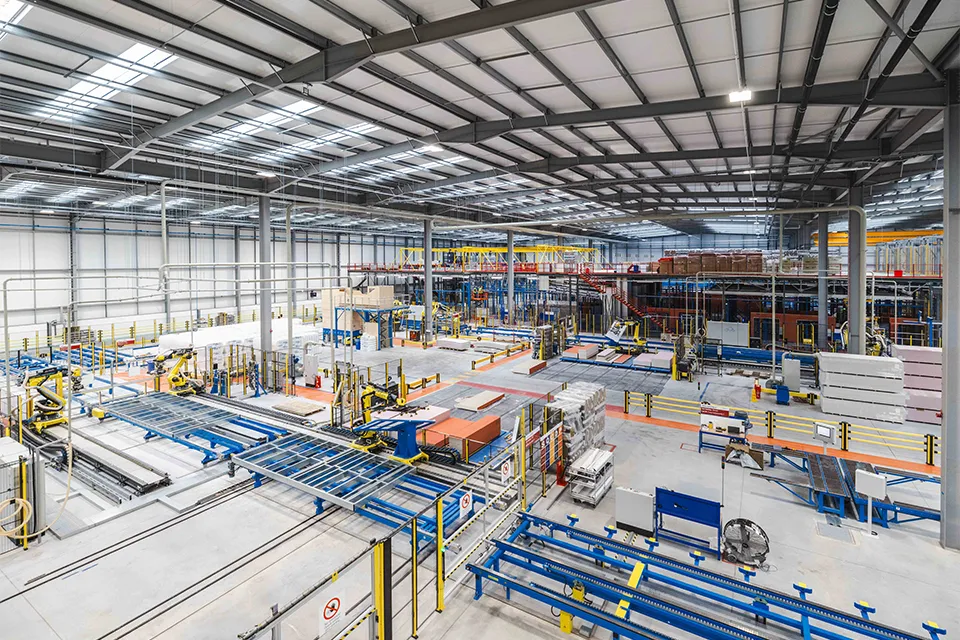
Industrial automation continues to advance unabated. Robots are taking over more and more repetitive tasks, autonomous transport systems are moving through production halls, and entire production lines are becoming smarter and more flexible. This evolution increases efficiency, but also makes production environments more complex. Machine safety has therefore evolved from a legal obligation into an essential part of every automation project.
Where safety was once often considered only during the commissioning of a system, attention is increasingly shifting to the design phase. There is good reason for this. By taking guarding, access control, maintenance zones and applicable machinery regulations into account at an early stage, system integrators can avoid later modifications. This saves not only time and money, but also ensures smoother commissioning.
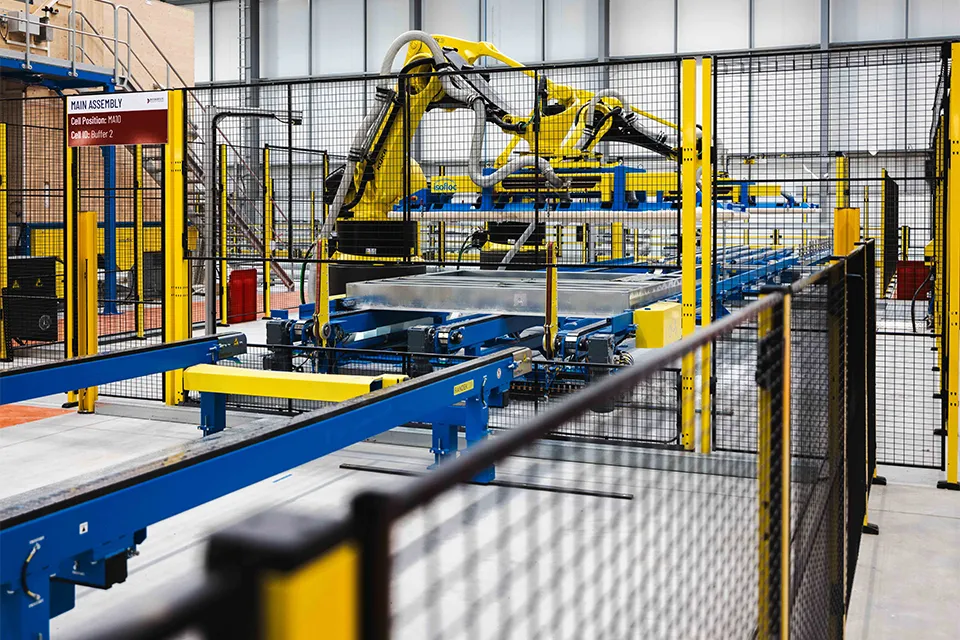
A joined-up approach in a complex environment
A modern production line rarely consists of just one machine. Robots, conveyors, AGVs, storage technologies and various software platforms must work together seamlessly. This means that safety solutions are no longer a collection of separate components, but form one integrated whole.
A well-designed safety structure allows operators to work safely without unnecessarily slowing down productivity. At the same time, the system remains accessible for maintenance, inspections and future expansions. This combination of safety, ease of use and flexibility is becoming increasingly important as production environments change more rapidly.
Designing with the future in mind
Automation projects are rarely static today. Production lines are expanded, robots are given new applications and logistics processes are constantly evolving. As a result, demand is growing for modular safety solutions that can be easily adapted without having to redesign the entire system. This flexibility reduces the total cost of ownership and limits downtime during future expansions. A modular approach also allows safety provisions to grow in step with a company’s production capacity.
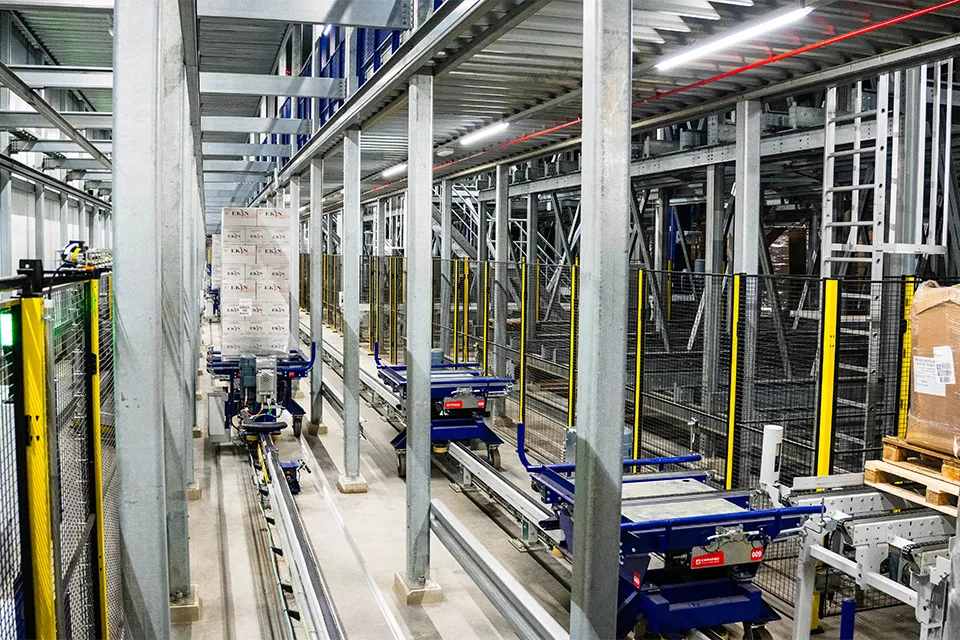
More than simply meeting standards
Today, safety is about more than compliance with legislation. It also determines the reliability, continuity and efficiency of a production environment. That is why more and more machine builders and system integrators are choosing to treat safety as an integral part of the engineering process. By better aligning design, engineering and implementation, they can create systems that not only comply with applicable standards, but are also easier to maintain and ready for future automation challenges. In an industry where flexibility and availability are becoming increasingly important, a considered approach to safety is an indispensable part of sustainable automation.
Een zakelijke vraag aan Axelent Benelux BV? Get in touch
Companies in this story

Keep following this
Get an email when a new story is published. No account needed.
- ThemeFlexible production with robots
- SubjectServices & solutions
- CompanyAxelent Benelux BV