The role of sensors in industrial safety
Text Marjolein de Wit-BlokImage Pilz en Hitma
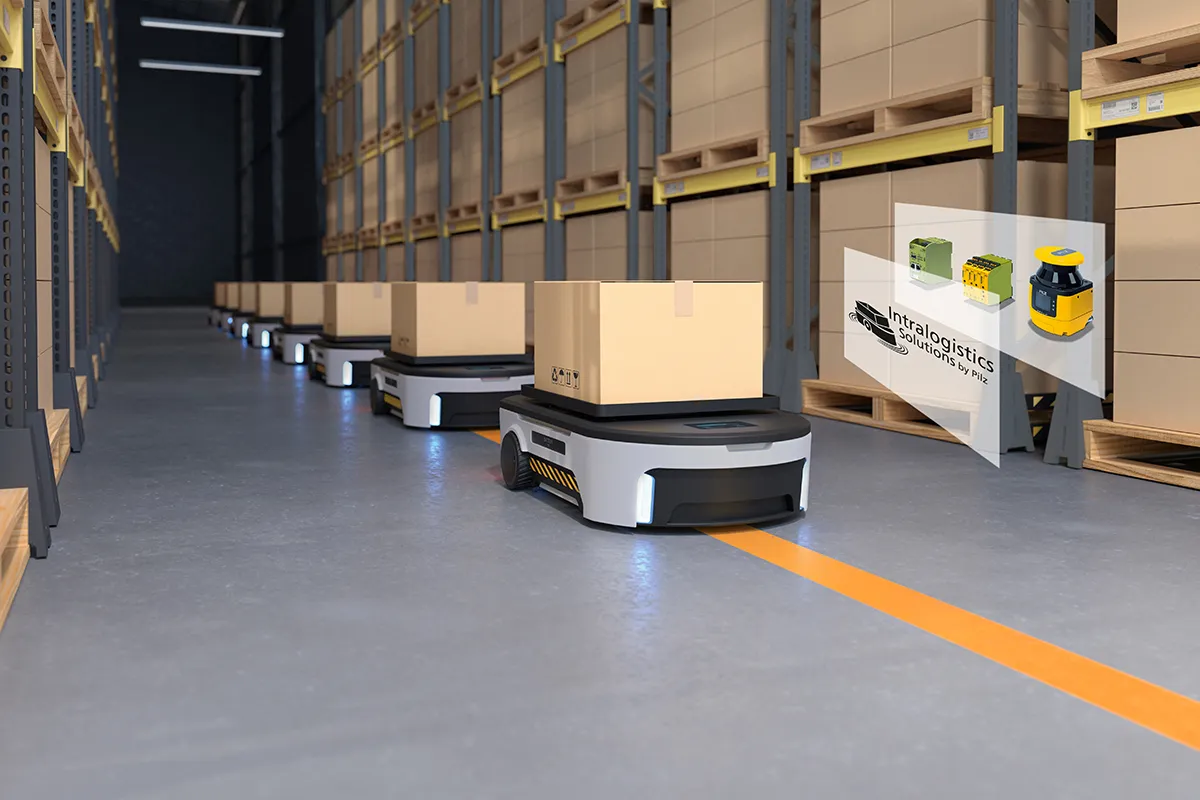
From protection against crushing to gas detection: sensors are indispensable
As an extension of our senses, today’s generation of sensors can detect virtually all the variables relevant to industrial safety. When thresholds are exceeded, an alarm is triggered. New developments in industry create new challenges and drive the development of sensors to address them. One example is the early detection of an impending battery fire. The reverse is also true: advances that improve certain sensor characteristics create new opportunities to raise safety levels in industry.
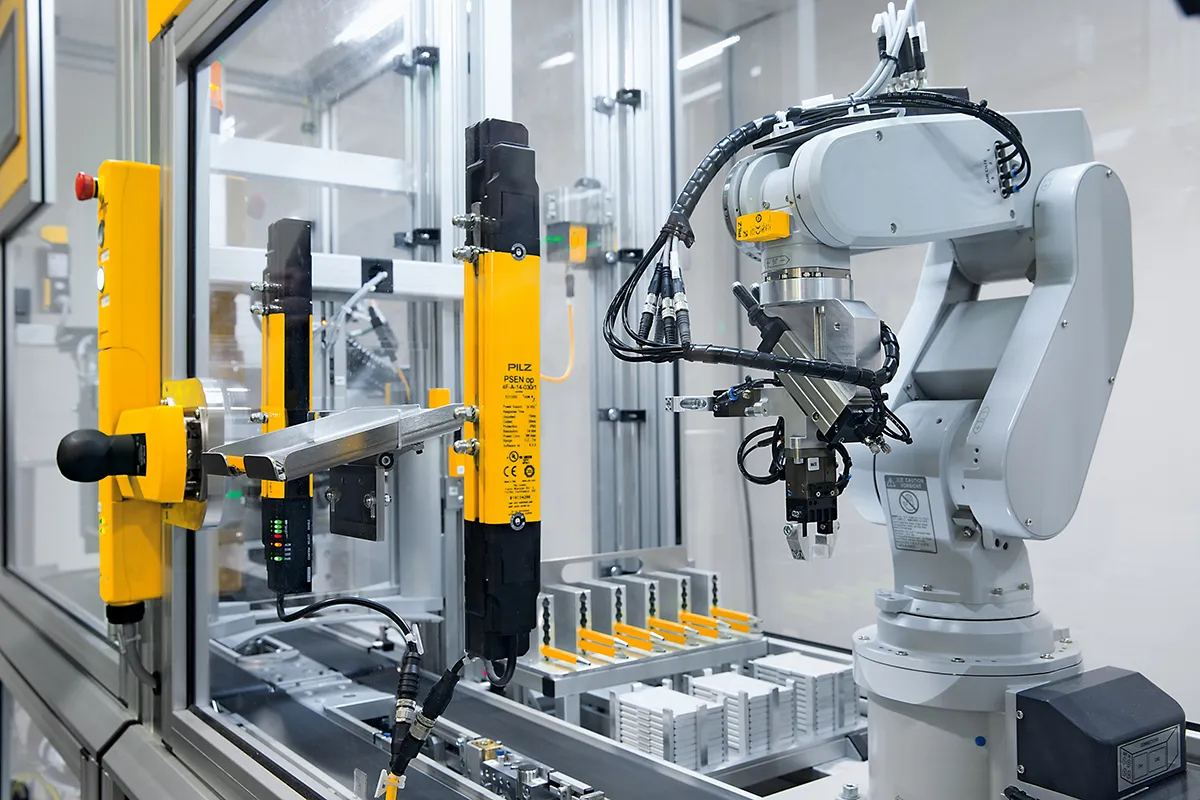
Industrial safety can broadly be ensured in three stages: by working in an inherently safe way, using hardware such as a safety fence, or implementing measures with safety controllers. Sensors now play an indispensable role in many solutions.
Development
Mechanical sensors have been used for many years, for example in safety mats, safety bumpers and safety edges. The mats contain pressure sensors, essentially mechanical switches, that detect when someone steps on the mat and thereby comes too close to the machine. Safety edges and bumpers work in the same way. Safety can be further improved by connecting sensors to a controller or integrating them into a complete safety system. When the controller detects via the sensors that certain thresholds have been exceeded, it can issue signals to initiate specific measures. This makes it possible, among other things, to shut down safely, allowing certain movements to be completed safely or suspended loads to be secured first.
Examples
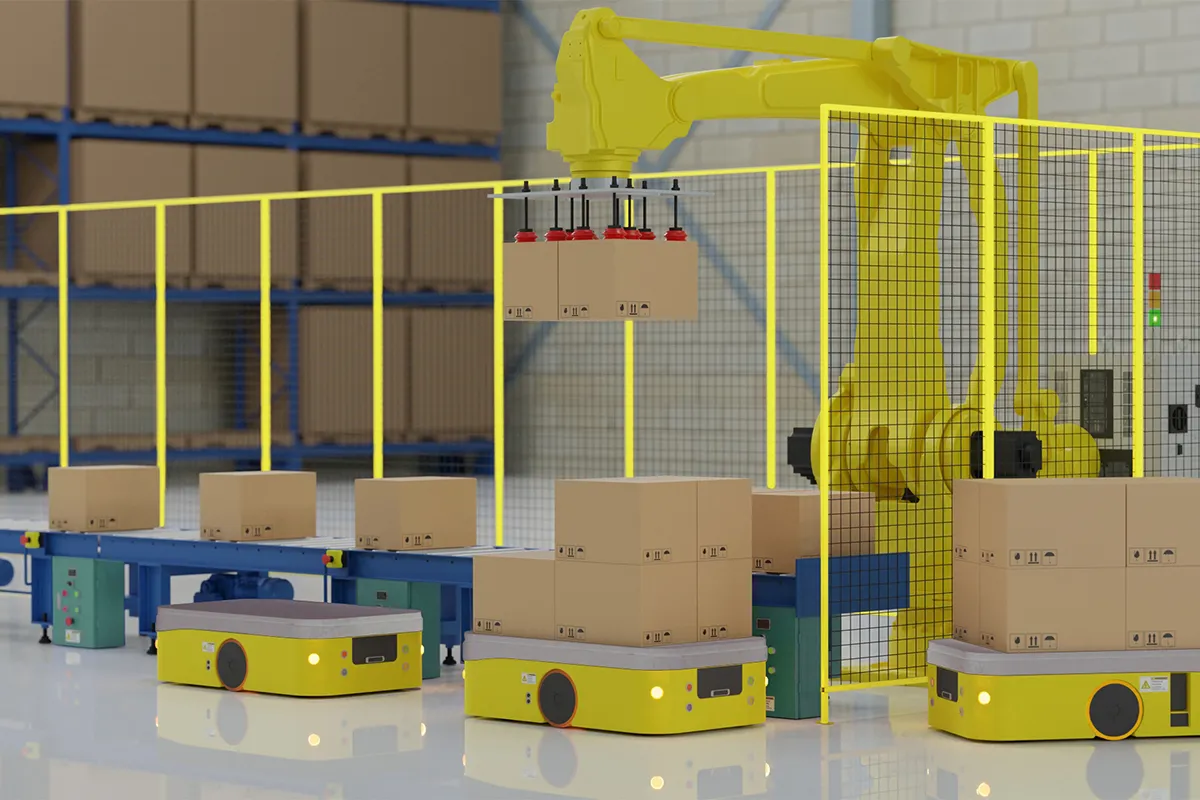
Light curtains are a familiar solution in this context. They have a light source that emits a beam, which is picked up by photoelectric receivers. By directing a large number of parallel beams towards receivers on the opposite side, a light curtain is formed. If the beams are interrupted, the controller detects that people or objects have entered an area that may be hazardous. The machine is then shut down safely or stopped temporarily.
Industrial safety can also be ensured by combining a door interlock with a personal ‘tag’. In modern systems, the controller keeps track of who is inside and outside a given area, so the person does not always have to use the same door to leave. Intelligence is also built into systems in which an electronic ‘eye’ scans the surroundings and detects hazardous situations. However, these systems are also quite expensive, and there are few applications in which the investment is genuinely worthwhile. The same level of safety can often be achieved with less expensive systems.
Special
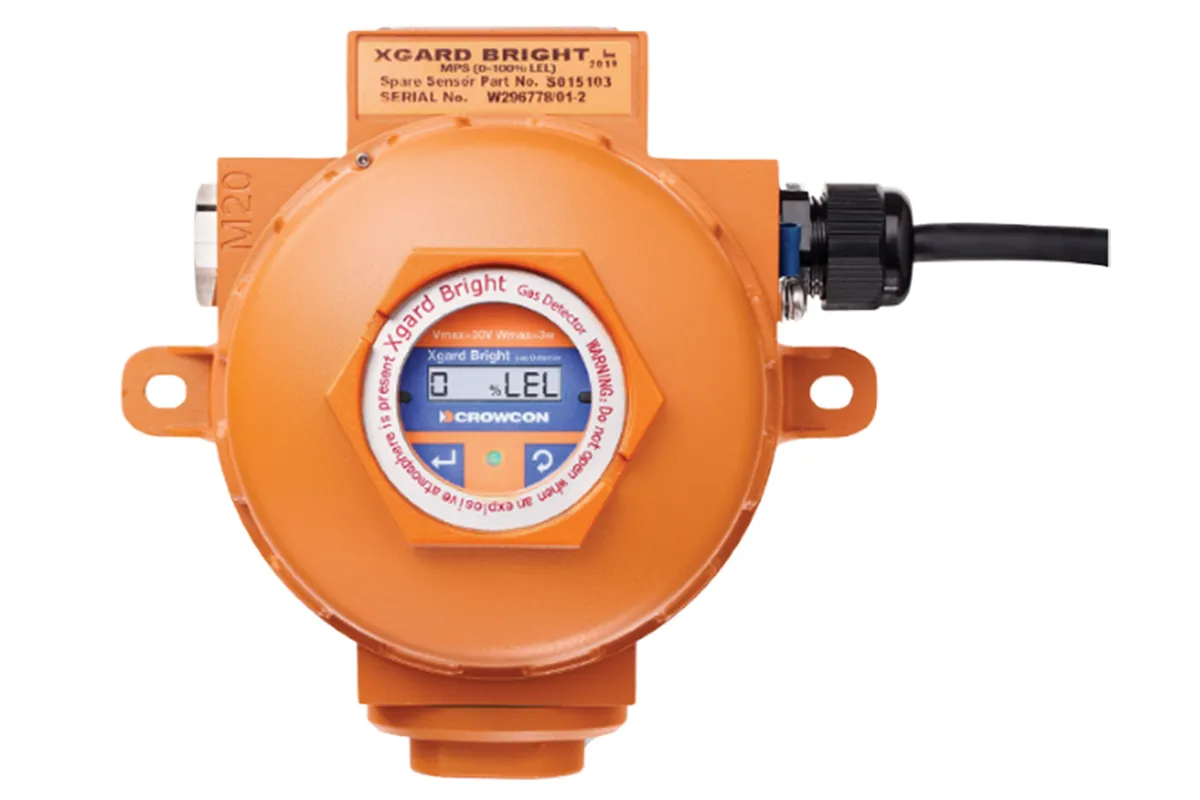
A genuinely new development in safety sensors is the Molecular Property Spectrometer, or MPS for short. This sensor incorporates a dedicated chip that can monitor several gases simultaneously, including gases released when a ‘thermal runaway’ develops in an electric battery. This process inevitably leads to a battery fire, which is now known to be difficult to extinguish. Previously, the early stages of such a fire could only be monitored by keeping an eye on the battery’s temperature. This sensor can detect them much earlier. Insurers, among others, are expected to make such detection systems compulsory for companies that work with Li-ion batteries.
Question about this story? Ask your question
Keep following this
Get an email when a new story is published. No account needed.
- ThemeSmarter measurement and inspection
- SubjectSensors & vision