Sensor technology and smart energy management for the factory of tomorrow
Text Kris VandekerckhoveImage Gefran Benelux
Transition to smarter, more sustainable production processes
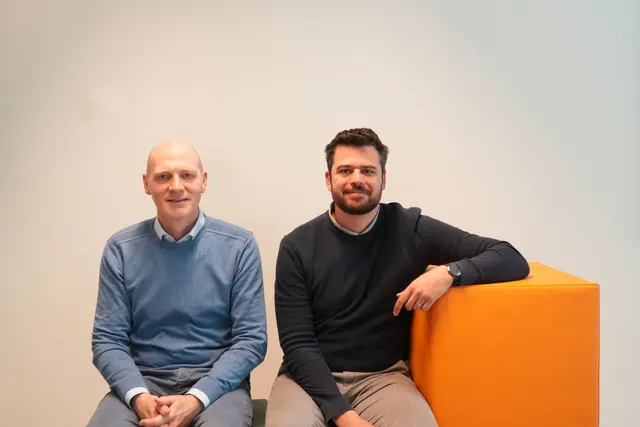
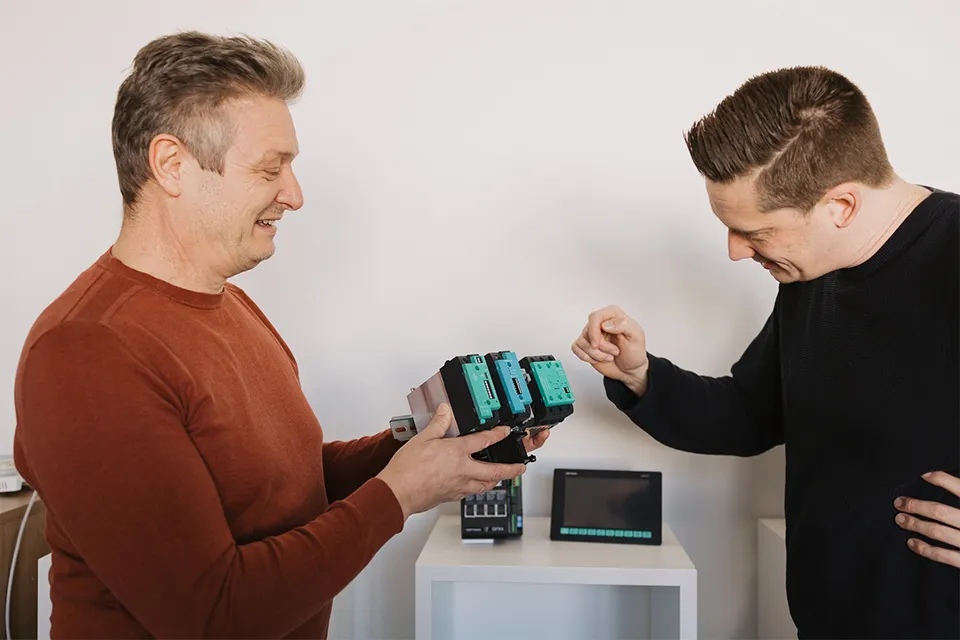
From plastics processing and mobile machinery to energy-efficient production processes, sensors and measurement and control technology are becoming an increasingly important part of industry. According to Koen Vermeren, general manager of Gefran Benelux, the key to competitive production lies in combining process control, energy management and smart automation.
The industrial sector is in the midst of a transition. Companies must become more productive, energy-efficient and sustainable at the same time, while digitalisation and automation are also placing ever greater demands on machines and production processes. For Gefran Benelux, a specialist in sensors and measurement and control technology, the solution lies in combining precise process control, smart energy management and data-driven insights. “Measurement is the essence of industrial automation,” says Vermeren. “The better you understand a process, the more efficiently you can control and optimise it.”

Strong roots in the plastics industry
The Italian company Gefran was founded in 1969 as a supplier of sensors and control technology for the plastics industry. The precise measurement of pressure and temperature during extrusion and injection moulding in particular formed the basis of the company’s success. Even small deviations can lead to quality problems, material waste and higher production costs. One of Gefran’s best-known products is its melt pressure sensor, which measures pressure at extreme temperatures. This technology enables manufacturers to monitor their processes accurately and better guarantee the quality of the finished product. Today, however, its applications are much broader. Gefran technology is used in sectors including food processing, pharmaceutical manufacturing, metallurgy, construction machinery and agricultural vehicles. The company supplies position and pressure sensors, load cells and power control systems, among other products. “You don’t usually see our name on the finished product, but our components are in the machines that make it,” says Vermeren. “Whether it’s an extruder, a chocolate machine or a mobile crane, sensors play an important role everywhere.”
Energy management becomes strategic
Alongside process optimisation, energy management is attracting growing attention. Rising energy costs and an increasing focus on peak demand are prompting companies to operate their electrical systems more efficiently. To support this, Gefran develops intelligent power controllers that coordinate electrical loads. Unlike conventional solid-state relays, which simply switch on or off, these systems can communicate with one another and spread energy consumption over time. “We want to avoid all the loads switching on at once and causing current peaks,” explains Vermeren. “By making different controllers work together intelligently, we can significantly reduce the load on the grid.”
The technology does more than just switch loads. Modern power controllers also collect extensive diagnostic data and can detect faulty heating elements, flag anomalies and, depending on the process, take corrective action automatically.
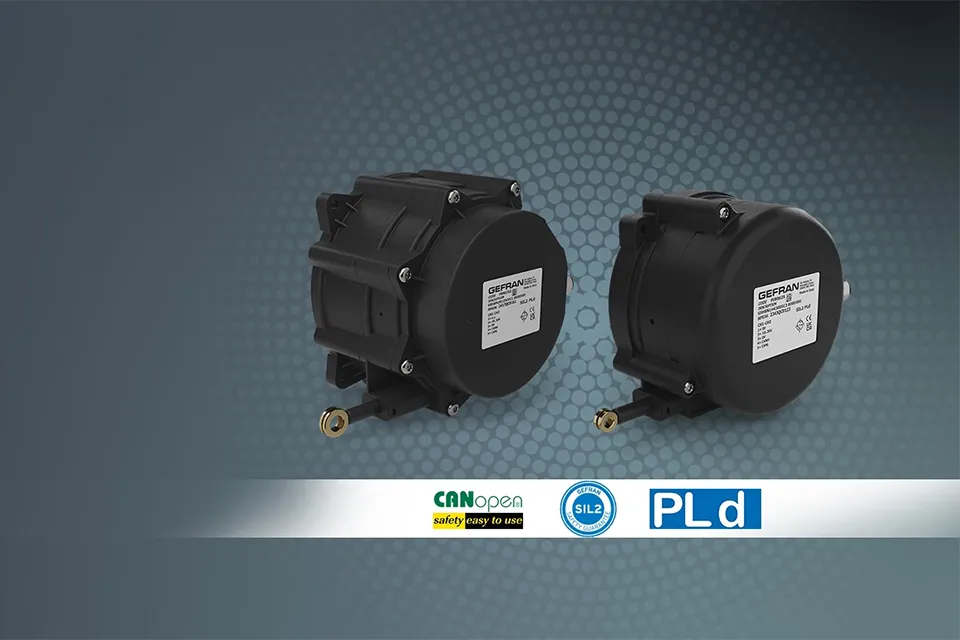
Plastic-to-chemicals as a new growth market
According to Gefran, one of the most promising developments is in plastic-to-chemicals processes. These break down plastic waste into basic chemical components that can be used again as raw materials for new products.
These plants require large amounts of heat and are increasingly switching from gas-fired systems to electric heating. This creates new opportunities for intelligent power control. “We are seeing clear electrification of industrial processes,” says Vermeren. “The challenge is to make this high power available in an energy- and cost-efficient way.”
The next step: energy storage and smart machines
For the coming years, Gefran expects energy management, electrification and energy storage to remain the main growth areas. The company also sees considerable potential in mobile machinery that collects ever more data on performance, wear and service life.
Sensors provide the basis for predictive maintenance and higher plant availability. According to Vermeren, future machines will not only become smarter, but will also be better able to analyse their own performance continuously. “The first step is to use energy as efficiently as possible. The next is to store and manage energy intelligently,” he concludes. “I believe that is where much of the future of industrial automation lies.”
Listen to the full podcast here
Een zakelijke vraag aan Gefran Benelux? Get in touch
Companies in this story
Keep following this
Get an email when a new story is published. No account needed.
- ThemeSmarter measurement and inspection
- SubjectProcess & instrumentation
- CompanyGefran Benelux