Industrial communication networks form backbone of digitization
De hoeveelheid machine- en systeemcommunicatie groeit snel. Netwerken zijn de basis voor gegevensstromen. Om succesvolle digitalisering te kunnen garanderen, is krachtige en betrouwbare netwerktechniek noodzakelijk.
The amount of machine and system communication is growing rapidly. Networks are the basis for data flows. To ensure successful digitization, powerful and reliable network technology is necessary.
Powerful, reliable network technology is possible if certain conditions are met. For example, it is important that the communication network be strong enough to handle the increase in flexible applications. In addition, the basic requirements for reliable networking of a combination of classical and/or digital devices must have been identified. Finally, it is important to know whether the application is ready for future developments in data communication. In short, the design, planning and implementation of industrial communication networks require an in-depth knowledge of automation engineering, and this must take into account the main requirements for data networks: reliability, openness and flexibility.
Design must match application
Today's production facilities must be flexible and easily changeable. As a result, the design of the network topology is critical if you want to guarantee the data-related functional reliability of the machines and systems and ensure that current requirements are met. It is also important to control the concept of redundant links, through continuous segmentation and unrestricted access to higher-level networks. Industrial networks must not only be open and flexible, but also have a design that fits the application. Individual factors selected by end users, such as digital durability and enhanced diagnostic capabilities, determine what the right network topology is.
Managed versus unmanaged switches
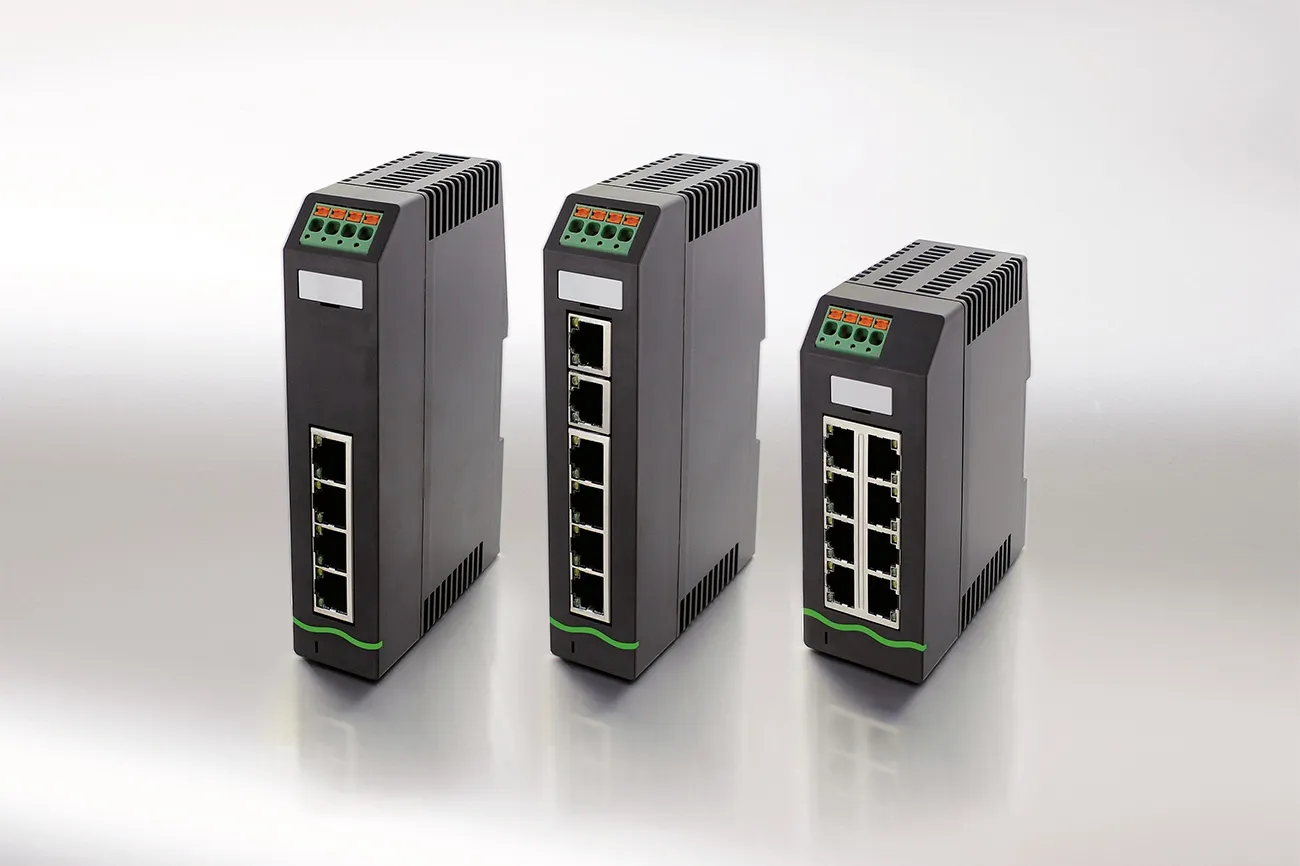
Switches play a number of different roles in installations. They connect PLCs to Ethernet users, and they are also used in fieldbus applications to connect a variety of modules. It is important to choose the right switch for the right application.
For example, managed switches provide extensive port and device configuration capabilities. They take on important functions for fault analysis, network diagnostics and redundancy mechanisms. These switches optimize data transmission but require more configuration effort and therefore also increase overall costs. However, their use in a network offers advantages that lead to greater control, including when remote access is required. Unmanaged switches, on the other hand, provide Ethernet devices with network connectivity so they can communicate with each other. As intermediaries, they add additional ports to the network, while performing no intelligent functions and having no control over network traffic. In industrial environments, unmanaged switches are often used in small networks.
Components and knowledge
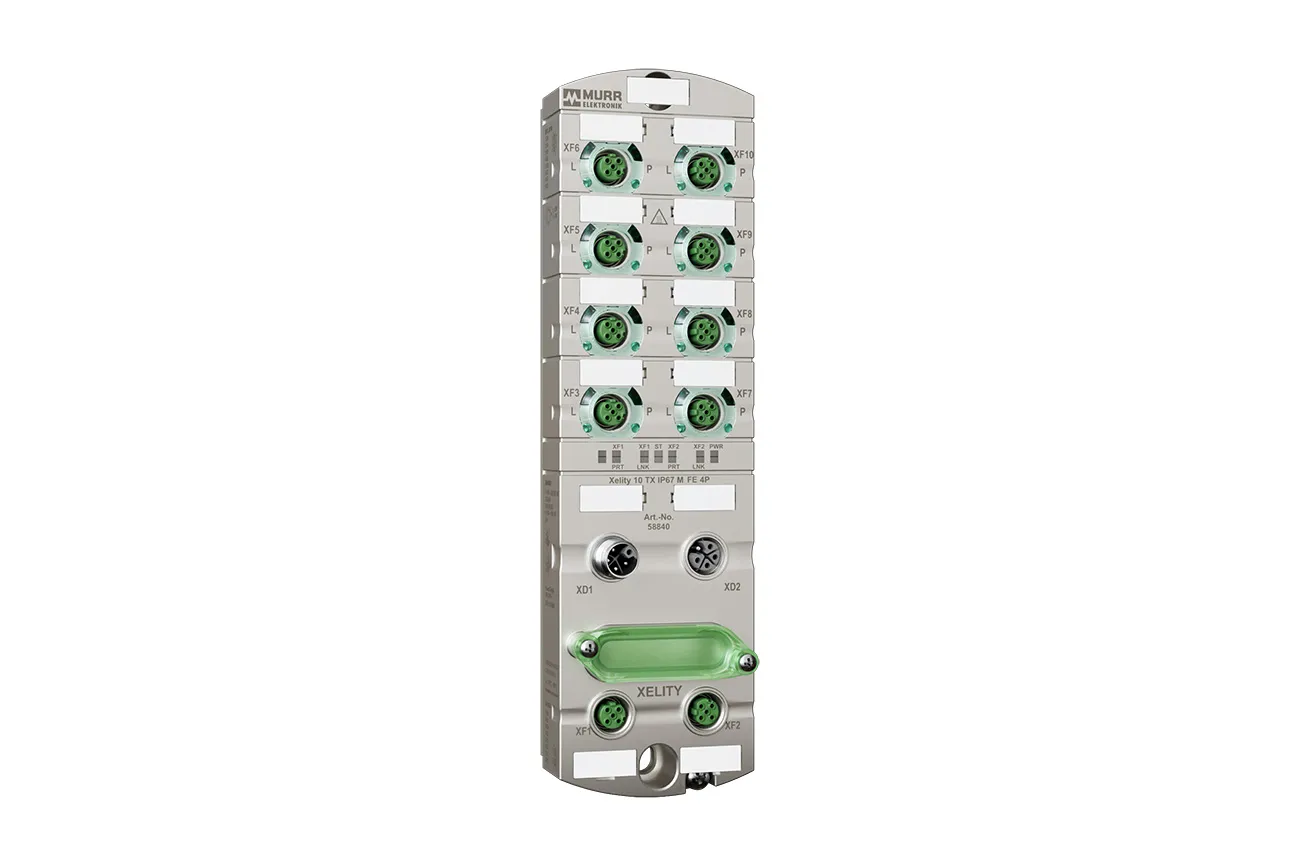
At Murrelektronik, they know that not only the ability to provide components - ranging from basic switches to the latest products in PoE technology and the cables to connect them - is important. Equally essential is the ability to provide support and tips to help partners optimize their data flow while reducing installation time. Sharing knowledge, providing multiple options (including their pros and cons) and explaining the "utility" of the components helps people see industrial networks as a whole and highlights the added value of the chosen solution.
Question about this story? Ask your question
Companies in this story

Keep following this
Get an email when a new story is published. No account needed.
- ThemeFrom factory data to decisions
- SubjectControl & networks
- CompanyMurrelektronik