3D printing in space: igus linear axes produce spare parts in zero gravity
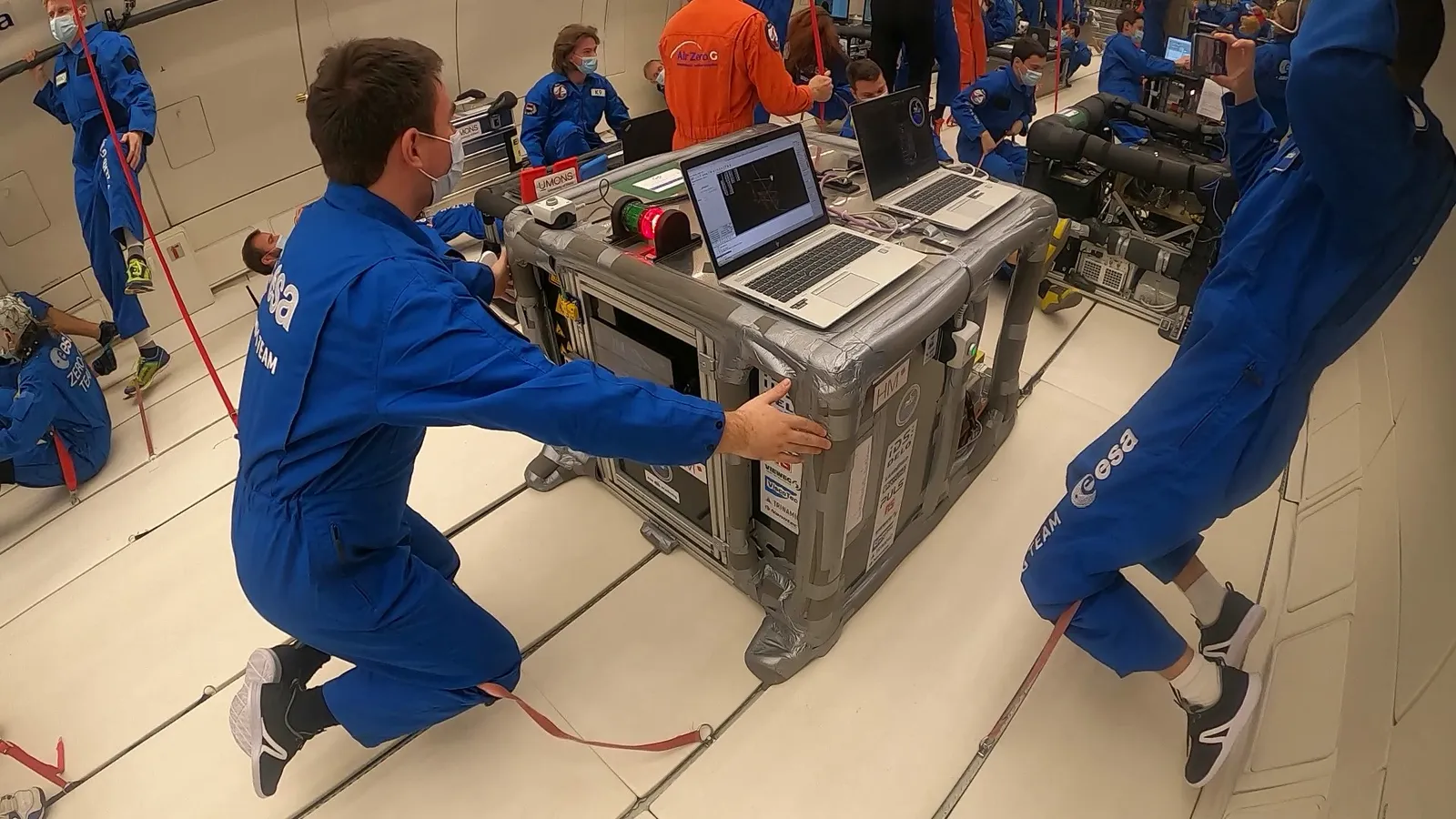
Students use linear units to develop a 3D printer for the cost-effective production of structural components in space.
When booms for solar panels or satellite antennas are transported into space in a launch vehicle, they are subjected to heavy loads. To simplify complex transportation and speed up the production of these components, the To AIMIS-FYT student team is working on a 3D printing process. In future, it should be possible to produce structural components in space. The students built a 3D printer to conduct experimental tests in zero gravity. For the drive technology, supported by igus, they relied on maintenance-free, lightweight drylin SAW linear axes.
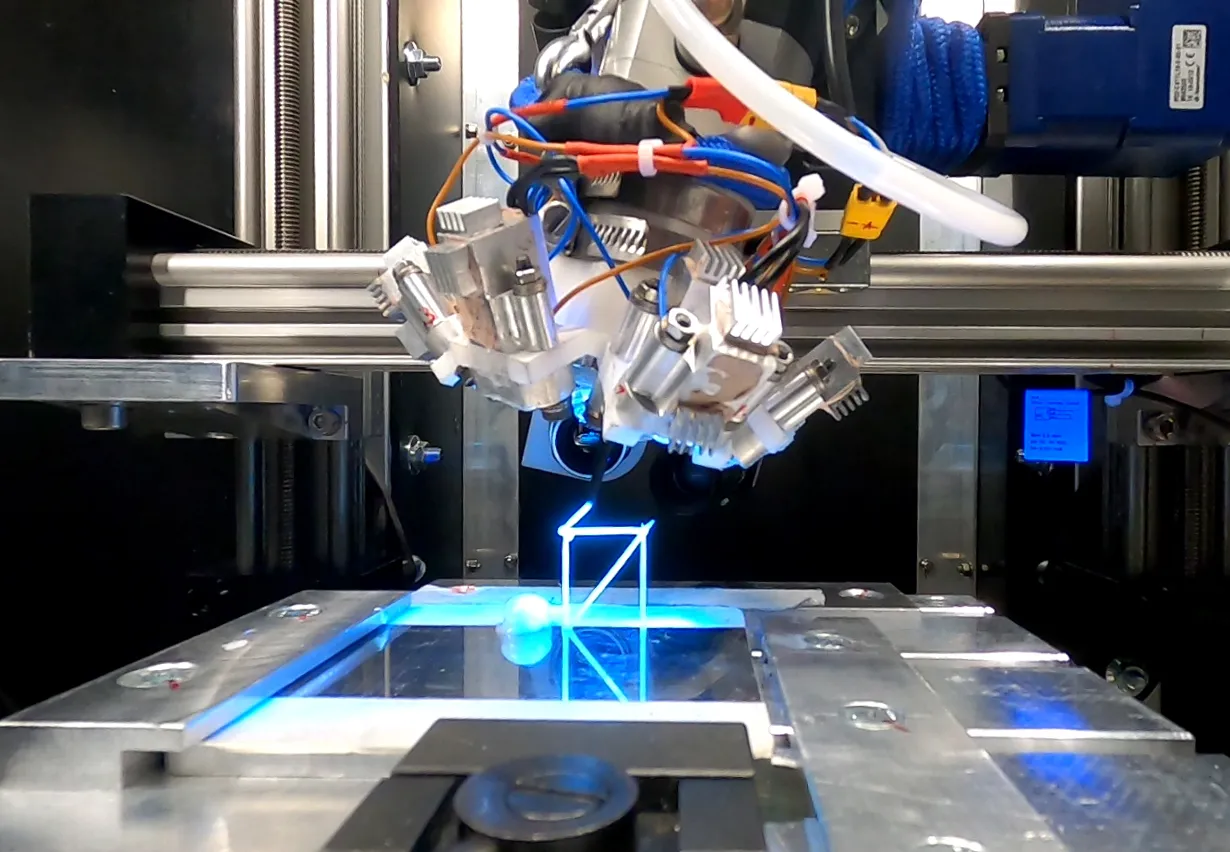
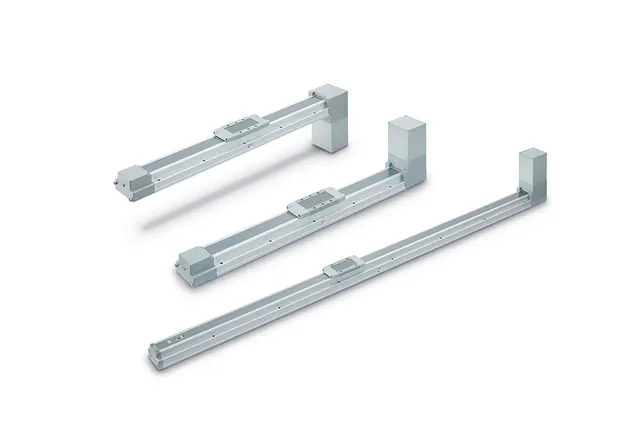
The current process for transporting equipment into space is relatively inefficient and expensive. This is because the structural components are primarily designed to withstand the heavy loads during a spacecraft’s launch. However, these components are over-engineered for the subsequent period of use. Given the high costs and limited space on a launch vehicle, alternative solutions are needed. The Munich-based AIMIS-FYT student team took on the challenge and is working on a 3D printing process for cost-effective production in space as part of its aerospace engineering degree programme. The students use a photoreactive resin, which is hardened by UV light. A 3D printer had to be designed and built to conduct experimental tests of the process in zero gravity. In their search for the right drive technology, the engineers turned to motion plastics specialist igus and found what they were looking for in the drylin SAW linear axes. The linear modules are used on the printer’s two z-axes and x-axis, forming its central drive unit. The linear axes are particularly impressive thanks to their low weight, as they are made of aluminium and feature maintenance-free sliding elements made of high-performance polymer. To reduce the play in the lubrication-free, dirt-repellent polymer linear guides, the engineers-to-be opted for adjustable bearings. A compact robolink D rotary axis with a worm gear was installed in the printer so that the printing filament could also be rotated.
Successful test series under real-world conditions
To test the printer and the process, the team applied to the European Space Agency’s (ESA) FlyYourThesis! programme and was accepted. The parabolic flights took place in November and December 2020. When the aircraft reaches the peak of its climb and tips into descent, microgravity occurs, closely replicating weightlessness in space. These are ideal conditions for a real-world test of the printer. “The linear axes worked without any problems in all the experiments, so we were able to print a small rod as well as small truss structures on every parabola,” reports Torben Schäfer of the AIMIS-FYT team, who is pleased with the results.
igus young engineers support programme promotes innovative projects
Projects such as AIMIS-FYT receive support from igus as part of its “young engineers support” (yes) programme. Through this university initiative, igus aims to support pupils, students and teachers with free samples, university discounts and sponsorship, as well as by helping them develop innovative projects. For more information about igus support for universities, visit www.igus.eu/yes.
Question about this story? Ask your question
Companies in this story

Keep following this
Get an email when a new story is published. No account needed.
- SubjectMotion, gears & drives
- Companyigus B.V.