Electric cylinders: the smart, compact powerhouse takes centre stage
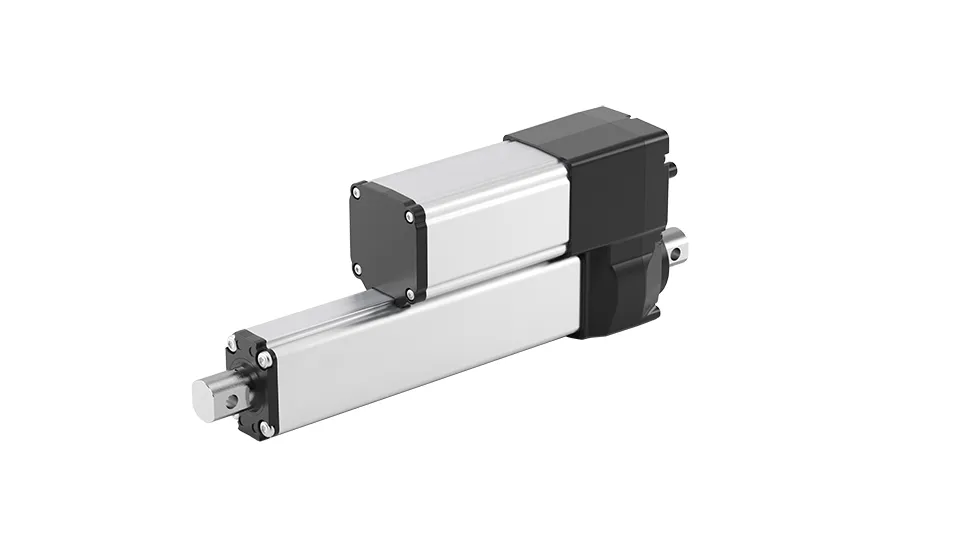
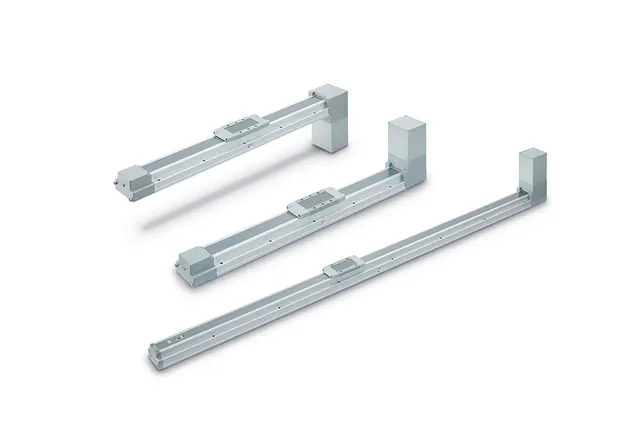
Much more compact and precise, easy to monitor and integrate into a wide range of IoT applications, and, if required, completely waterproof: electric cylinders have plenty of advantages over conventional hydraulic drives. They are also ideal for a number of new applications.
In industrial environments, electric cylinders are increasingly emerging as a fully fledged alternative to conventional pneumatic and hydraulic columns and drives. “Electric linear actuators are ideal for highly precise movements and positioning, and can also be connected easily to an existing control system,” says project engineer Bob Van Rensbergen. “Think of valves that need to be opened and closed continuously, or applications involving clamping or moving objects. To meet this demand, we are offering an increasingly wide range of electric cylinders in different power categories.”
Very low maintenance
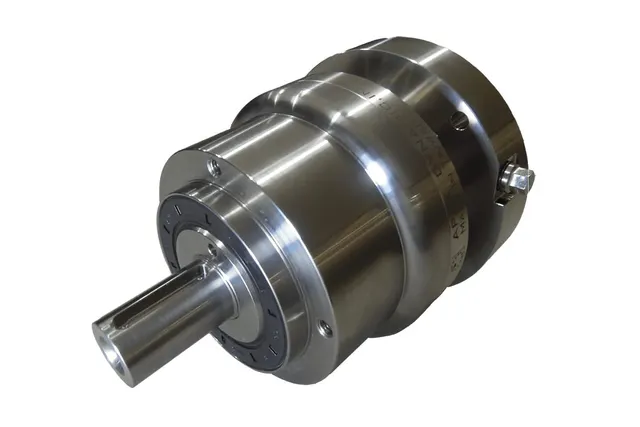
From a purely technological perspective, an electric cylinder is of course not particularly innovative: essentially, it is simply a cylinder powered by electricity. “The main innovation now lies in the sizes available, and in the housings and protection into which these cylinders can be integrated. Conventional hydraulic drive systems require a great deal of maintenance, but are also highly shock-resistant and can handle long periods of continuous operation. Our electric cylinders, by contrast, require much less maintenance and are ideal for short operations with pauses in between. Today, the key innovation lies above all in their size and the power that these small cylinders can now deliver,” he says. “A cylinder just a few dozen centimetres long can already move loads of up to 2.5 tonnes.”
Data on demand
Another advantage of the electric cylinder is that it can be monitored with ease, making it particularly suitable for integration into IoT applications, for example. Bob Van Rensbergen says: “Every cylinder we supply comes with a communications module as standard. It can therefore operate stand-alone or be integrated into the machine’s control system, with data fed back to the user or PLC. This makes the system much more intelligent than a conventional hydraulic drive. The cylinder also takes up much less space, making it far easier to install.”

“The main innovation now lies in the sizes available”
Question about this story? Ask your question
Keep following this
Get an email when a new story is published. No account needed.
- SubjectMotion, gears & drives