How are electric motors evolving to improve energy efficiency?
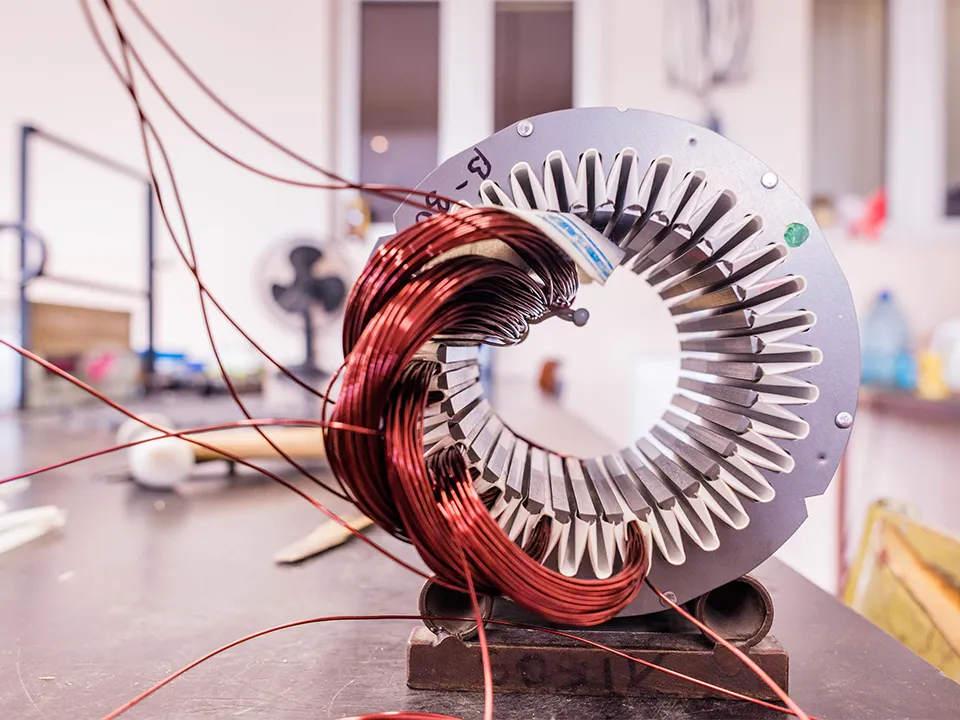
Electric motors account for around 45% of global energy consumption. That is no small amount.
It is no surprise, then, that European ecodesign regulations also target electric motors. From July, the bar for energy efficiency will be raised again. But how do manufacturers keep managing to meet these requirements?
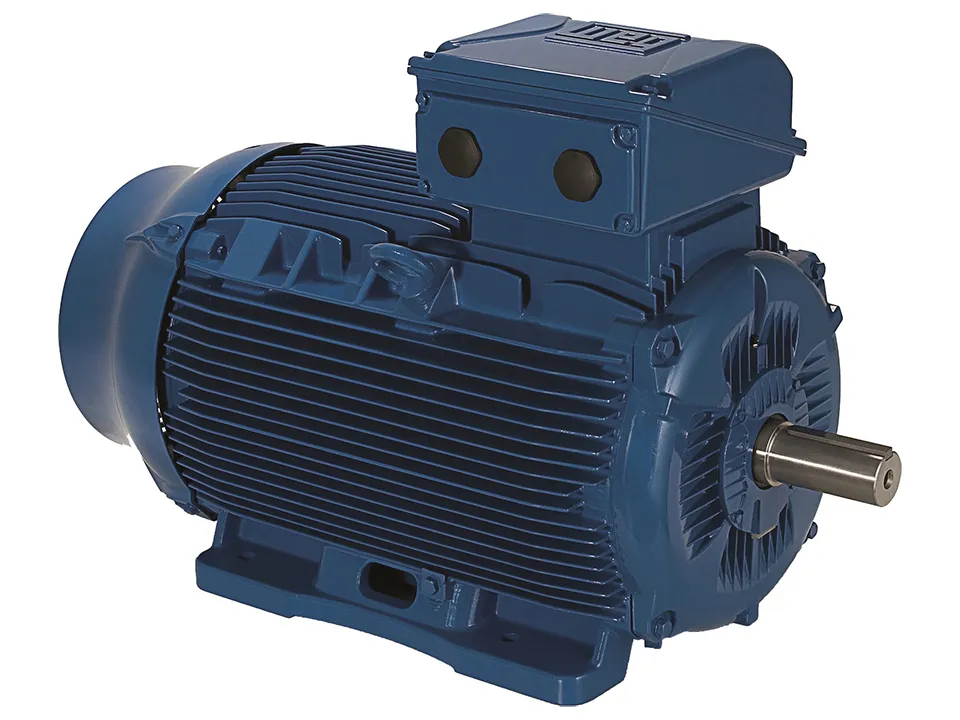
Motors are everywhere, from fans to machine tools, pumps to cars. They are the beating heart that supplies every machine with the energy it needs. The changes electric motors have undergone since the first one was developed in 1824 by Moritz Hermann von Jacobi have been driven by growing demand for power, affordability, energy efficiency and connectivity. Today, the main challenge is to improve efficiency and reduce the impact electric motors have on electricity supplies and, in turn, on global warming. End users do not need to invest solely to protect the environment or because Europe requires it, but also to save money. A breakdown of all the costs associated with an electric motor over its entire service life shows that energy costs account for 95% to 97% of the total. That is reason enough to see energy-efficient motors as a smart investment.
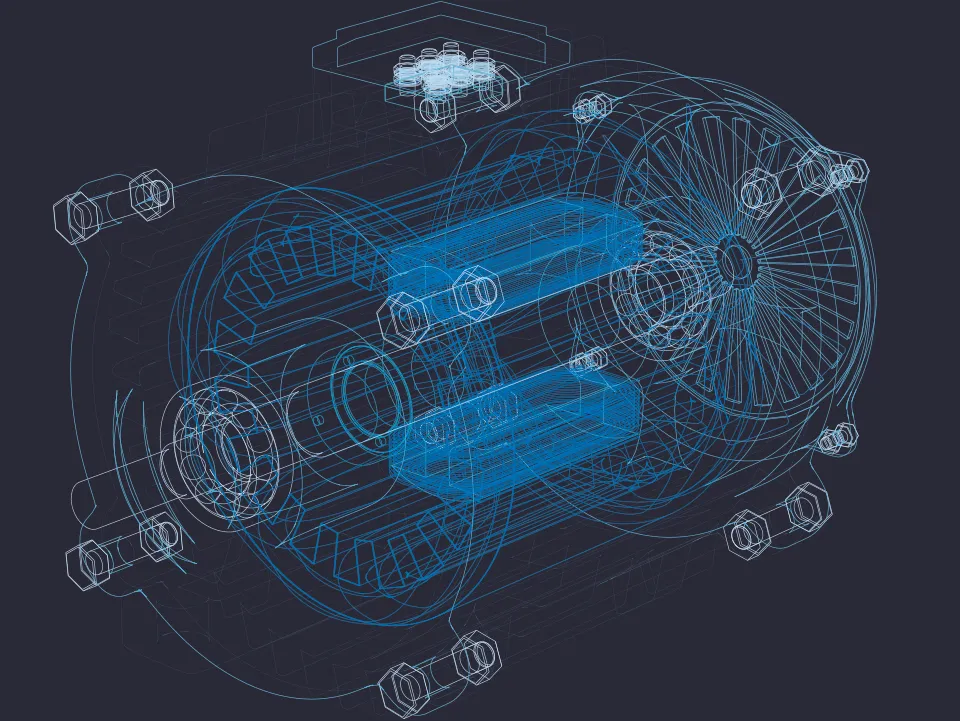
A greater focus on energy efficiency
An electric motor’s energy efficiency is calculated as the ratio of its mechanical output power to its input power. Based on this performance, Europe classifies motors into energy efficiency classes ranging from IE1 (lowest) to IE5 (highest). Making these classes binding on industry in stages since 2012 has already led to huge strides in reducing motor energy consumption. Industry has certainly taken note. In 2009, IE1 motors still accounted for 80% of the European market. By 2016, that share had fallen to 17%, while the share of more energy-efficient IE3 motors rose from 0% to 29% over the same period. From 1 July 2021, asynchronous motors must meet the IE3 standards. For the first time, efficiency requirements will also be introduced for variable speed drives.
Identifying energy losses
So how do manufacturers manage to achieve this? How do they make their motors more energy-efficient? The starting point is always to identify where energy losses occur. Improvements to reduce these losses include reducing weight and experimenting with new materials such as plastics, aluminium and new insulating materials to enable new applications. One example is the introduction of permanent magnet motors. These AC motors have magnets embedded in or mounted on the rotor. This addition, together with the interaction between the magnetic fields of the magnets and the stator, reduces reluctance. The result is constant torque without the need for forced ventilation. IE4 motors of this type can be more efficient than conventional induction motors in the same class. They lose 20% less energy, weigh less and last longer, delivering a triple benefit. Combined with a variable speed drive, they can save even more energy, up to 80%, while also meeting IE5 requirements. The high energy density of permanent magnets also makes them ideal for use in electric vehicles.
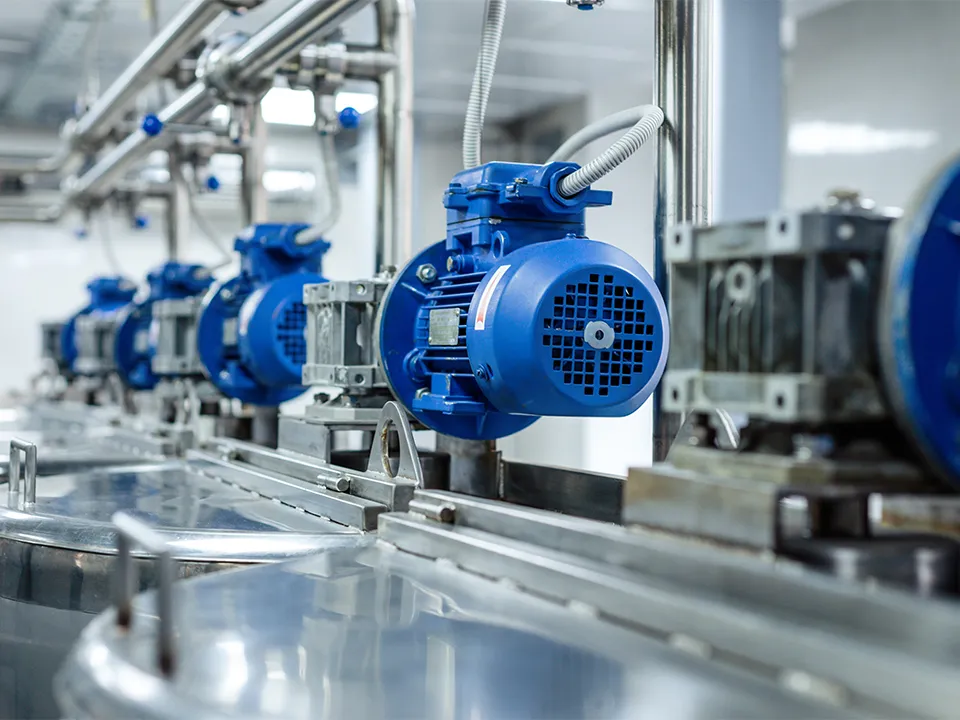
What comes after IE5?
The path to IE5 seems clear. But what can we expect beyond that? The anticipated IE6 standard will probably focus on greater efficiency in permanent magnet motors and synchronous reluctance motors. Further progress could involve new insulation systems to prevent problems caused by ammonia, such as material corrosion. Researchers are also investigating exactly how polymers behave in electric motors. Metal parts do not always withstand the mechanical forces generated inside motors. Polymers could offer an alternative thanks to their unique properties. If components are no longer vulnerable to deformation, they can be made lighter, saving weight and energy. Polymers are already used in components such as end shields and feet for small motors. This could also pave the way for better integration with other polymer-based motor components, enabling improved motor design. Household appliances already benefit from polymer-based motors.
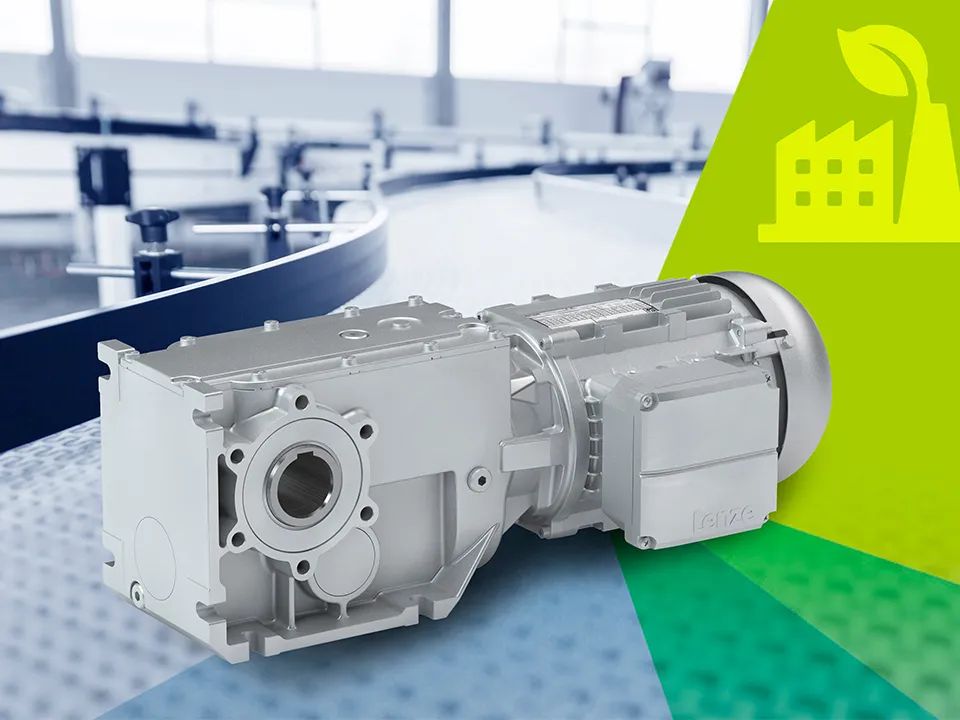
The role of electronics in further savings
Alongside these mechanical developments, manufacturers are also using electronics to make their motors more energy-efficient. Sensors, for example, can measure a motor’s behaviour in real time. They can detect vibrations and temperature changes that affect how much energy the motor consumes. Take vibrations. They are, in essence, unwanted movement or noise, and therefore represent wasted energy. If vibration levels exceed the permitted thresholds, this may signal the onset of a fault. Fixing the problem promptly avoids additional energy consumption and prevents the loss of valuable production time, as well as the energy spike associated with restarting the machine. Modern IoT technologies can deliver further savings in this area.
Conclusion
Electric motors have been evolving for more than 200 years. Engineers will need to keep refining their design and use so that electric motors can continue to meet the changing demands of modern society in the decades to come.
Question about this story? Ask your question
Keep following this
Get an email when a new story is published. No account needed.
- ThemeTailored motion and drive systems
- SubjectMotion, gears & drives