How NORD DRIVESYSTEMS’ intelligent drives increase availability
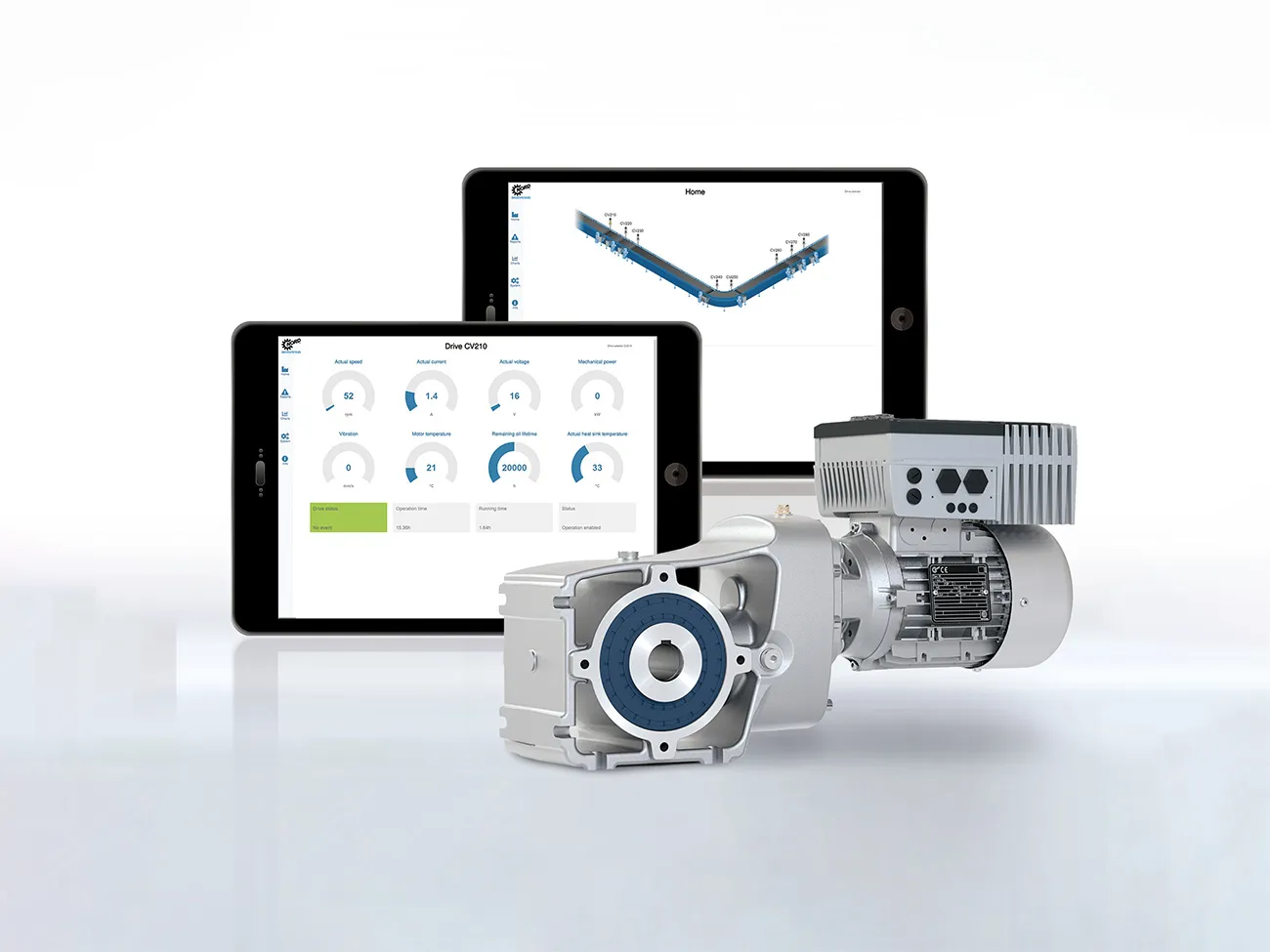
Predictive maintenance is the systematic development of condition-based maintenance, with the aim of proactively maintaining machines and systems, detecting changes, reducing downtime and improving the efficiency of the entire installation. Condition-based maintenance replaces traditional time-based maintenance.
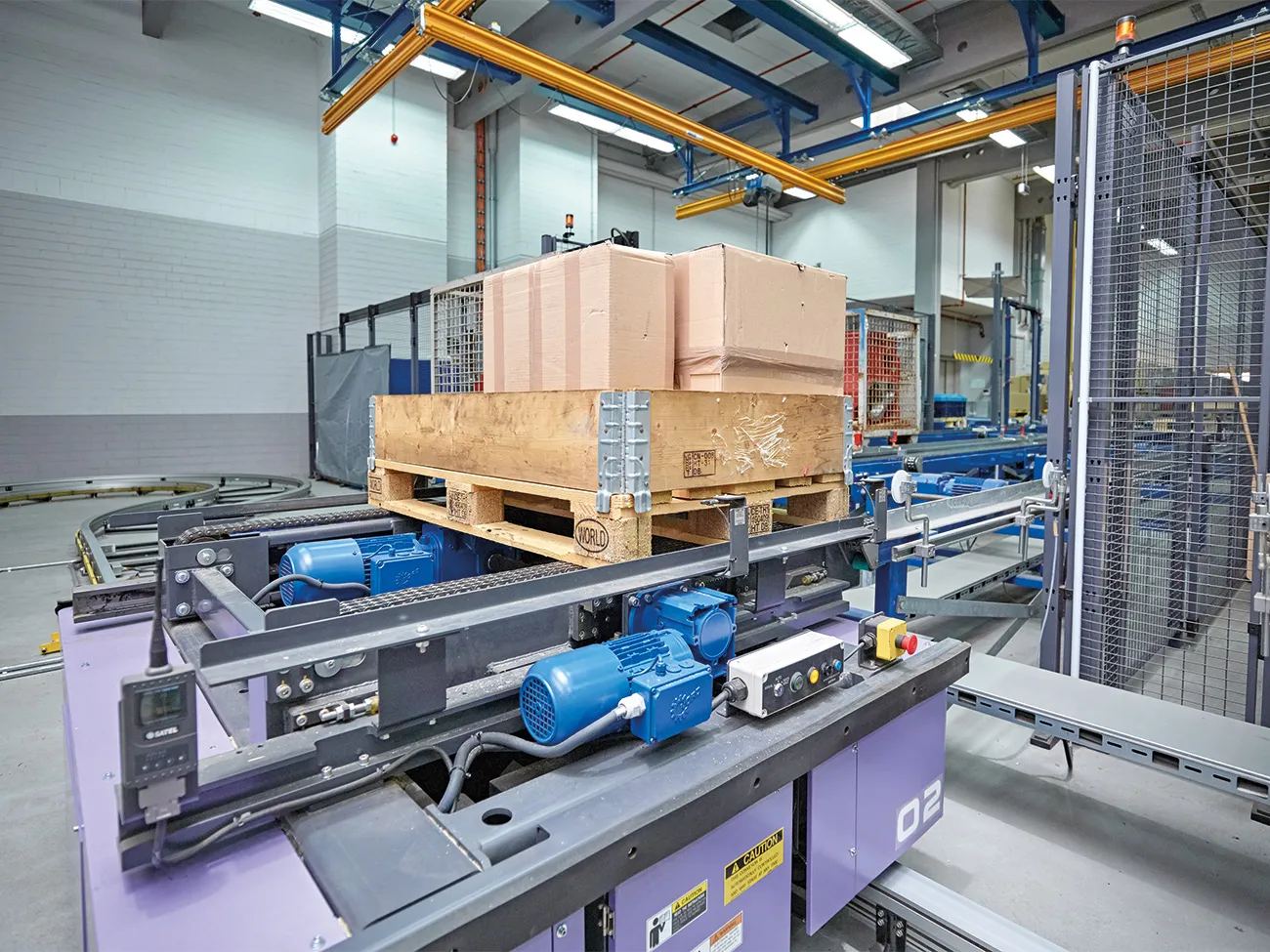
Especially in demanding production environments, where industrial gear units are typically used in critical applications and their failure can cause serious damage, such as in intralogistics, the food industry or the heavy-duty sector, the combination of gear unit, electric motor and frequency inverter offers improved safety and reliability. This is where condition monitoring for predictive maintenance comes in: using intelligent algorithms and software in an IIoT environment, networked drive units can collect condition data in the inverter’s PLC and pre-process it alongside data from connected sensors and actuators.
The pre-processed results, or the complete dataset, can optionally be sent to an edge device. There, data from all subsystems are managed and evaluated. The resulting pre-selected and processed smart data are then available for further use and clear visualisation.
Analyse, don’t just read
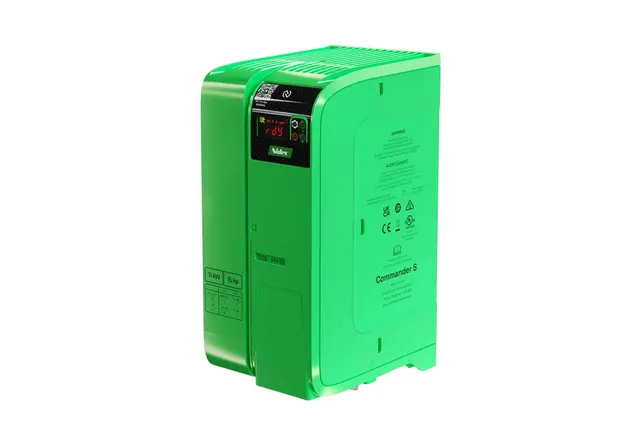
One practical example is sensorless determination of the optimum time to change the oil, based on oil temperature. This is based on the fact that oil temperature is an important indicator of oil ageing in gear units. Combined with available gear unit parameters and specific operating parameters, this information makes it possible to calculate the timing of an oil change accurately. No physical temperature sensor is required. Drive data are pre-processed in the integrated PLC of the NORD frequency inverter, which is used for the evaluation. Customers can access the calculated data via all standard interfaces.
The right PLC software architecture
Drive equipment can be expanded as required and adapted to the relevant automation task. Customers can choose which tasks, drive monitoring, drive control and process control, they want to handle directly in the drive. In smaller production environments, this scalability offers the opportunity to gain initial experience before reorganising the plant.
Three configuration levels are available. At the first level, the drive unit’s PLC only monitors the drive. Drive parameters are pre-processed in the PLC and passed to the higher-level control system responsible for drive and process control. At the intermediate level, the PLC integrates drive control and also performs drive-related functions. At the highest configuration level, the controller’s PLC completely replaces the higher-level control system. In addition to communicating with a control system, the data can optionally be used for local data management without an internet connection.
Question about this story? Ask your question
Keep following this
Get an email when a new story is published. No account needed.
- SubjectMotion, gears & drives