Shift from standalone motors, gearboxes and controllers to complete robot modules
Text Alexander PilImage Alexander Pil/maxon
‘There is still a gap between demo and product’
Building robots is easier than ever, but a working system is not yet a product. Mario Mauerer of maxon sees where things get stuck in practice.
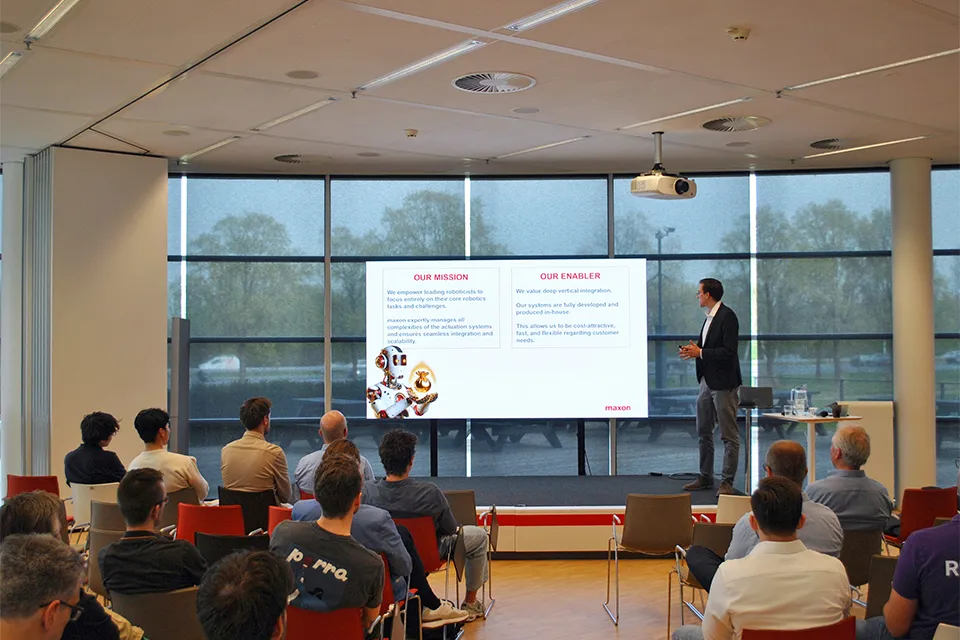
At the recent Maxon Robotics Day in Delft, Mario Mauerer, global business development manager robotics at maxon, outlined how quickly the robotics landscape has changed: “When I started in 2018, the supply chain looked completely different. A lot of technology for robotics simply wasn’t available.” That has now changed fundamentally: components, sensors and computing power are widely available and relatively easy to integrate. “Today, you can build something that moves and responds pretty quickly.”
Companies are increasingly developing their own robots, tailored to a specific application. “These days, it’s almost easy to build a robot,” says Mauerer. “What remains difficult is turning it into a successful product. There are plenty of robots that can dance or give impressive demos in a lab environment. But that doesn’t mean they solve a problem or deliver value in the field. That’s what really matters.”
More complex than it seems
The complexity under the bonnet suddenly becomes much greater. The real challenge lies in interacting with the environment, and this has a direct impact on development time. “Even the fastest customers, who already have a good product-market fit, take two to three years to reach series production,” says Mauerer. The lead time is not just down to development. “Setting up supply chains takes time. Sourcing alone takes at least six months.” On top of that, hardware and software are inextricably linked in robot development. “People often say that software eats the world. But that only applies if you really understand the hardware.” This is particularly challenging in robotics, where systems operate with forces, touch and variable environments. “You have to understand the interactions between all the subsystems. Otherwise, you can’t transfer that complexity into software.”


From components to modules
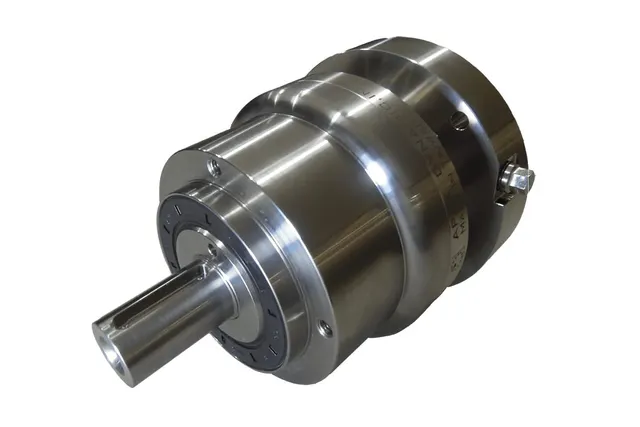
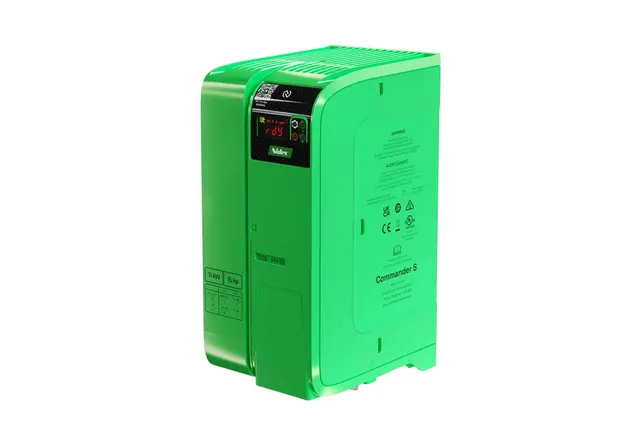
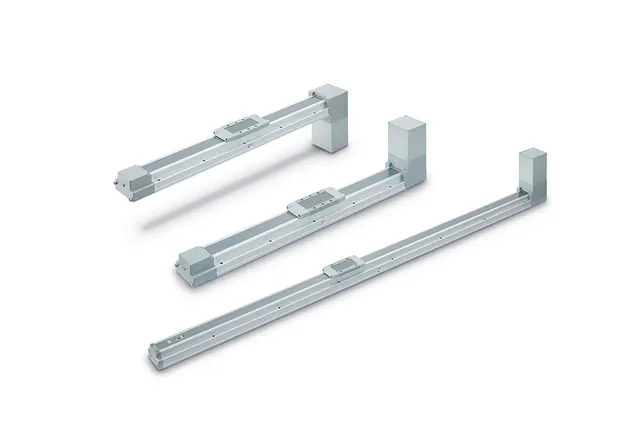
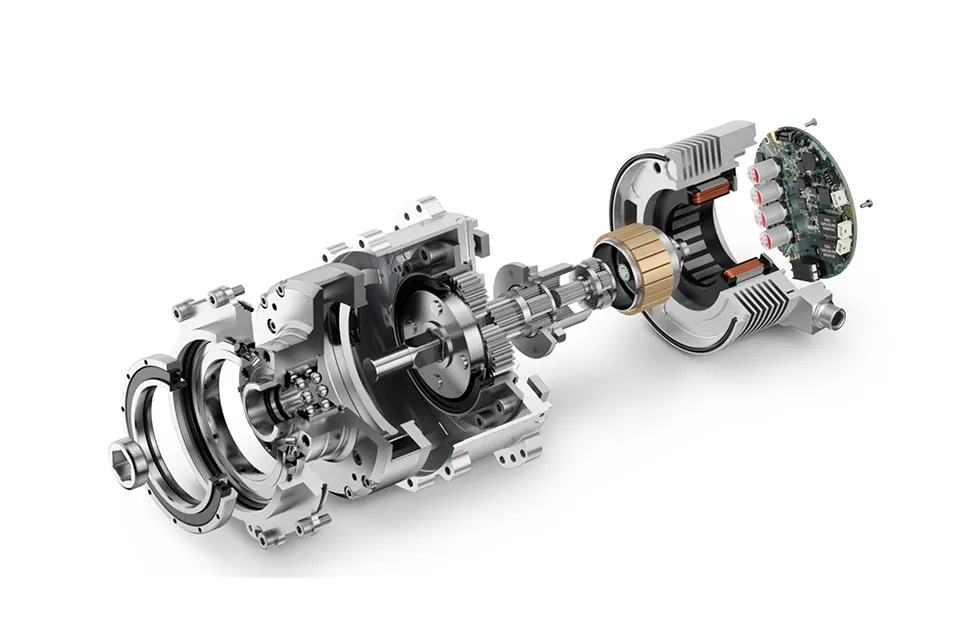
Against this backdrop, maxon’s role is shifting. Whereas the company used to supply standalone motors, gearboxes and controllers, it is increasingly developing integrated modules. “Motor, gearbox, encoder, electronics and firmware: everything in one package,” says Mauerer. But in his view, the idea of building a robot from standard building blocks has its limits. “Industrial Lego sounds appealing because it makes it easier to combine things. But if you want an optimised system, you have to coordinate everything. Many companies underestimate that. We regularly see companies wanting to develop their own actuators. A few years later, they come back because it turned out not to be so simple after all.”
The choice between developing in-house and buying in therefore remains a strategic decision. “Make versus buy is always complex,” says Mauerer. “maxon is positioning itself more firmly on the side of integration and collaboration. We are vertically integrated and can combine components into modules that are ready to use. That means we are getting involved earlier. We now contribute to the design, not just after the order has been placed.” That is central to maxon’s position. “We have to be more than a supplier of metal parts. The value lies in the system, in the combination of actuators, electronics and software, and in how you apply it.” In a market where more and more companies can build a robot, success goes to those who make it work in practice.
Question about this story? Ask your question
Keep following this
Get an email when a new story is published. No account needed.
- ThemeFlexible production with robots
- SubjectMotion, gears & drives