Stringent energy-efficiency classes can also be an opportunity
From 1 July, the new phase of the ErP Directive for electric motors comes into force. With this ecodesign directive, Europe aims to encourage manufacturers to bring more energy-efficient products to market.
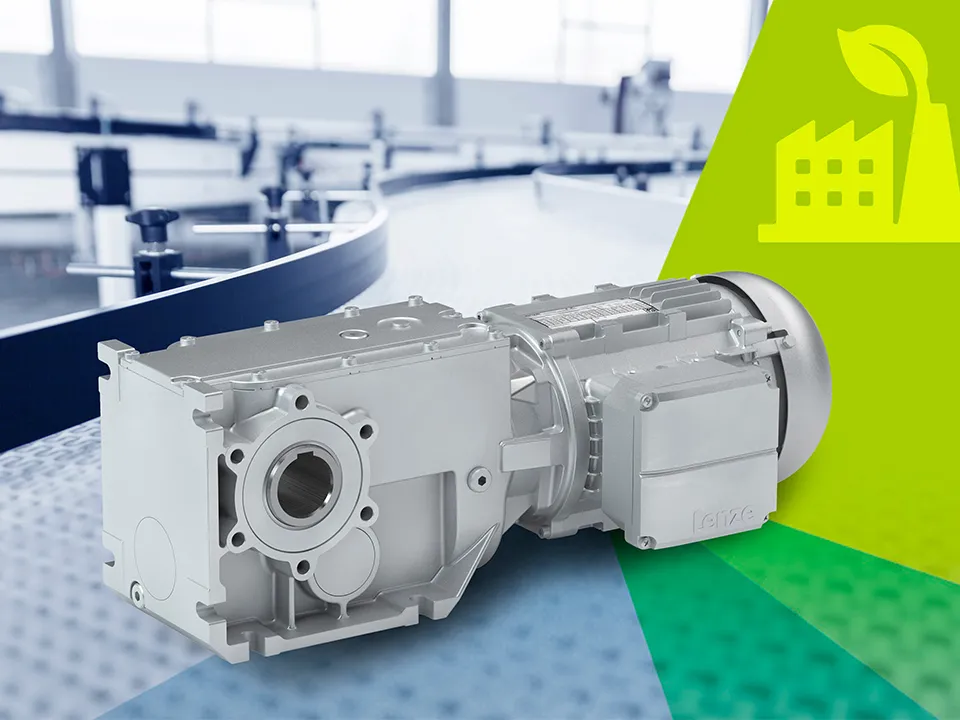
For the first time, energy requirements will also apply to motors with a power rating of 0.12 to 0.55 kW inclusive. Machine builders will therefore have to consider how the new motors can fit into their designs. It is a challenge they do not have to face alone. Lenze is doing everything it can to make the transition as straightforward as possible for the market.
Since 2009, Europe has been taking steps to reduce energy consumption by electric motors. This is largely because they account for a significant share of industry’s energy bill. What makes the new phase, which starts in July, so significant is that, for the first time, low-power electric motors are also being targeted (IE2), while many of the exceptions under the existing IE3 efficiency class are being removed. Lenze product manager Florian Breker says: “Around 70% of the energy consumed by industrial drive systems is accounted for by mechanical and electrical components such as motors and actuators. They therefore offer considerable potential for improving energy efficiency. At present, only one in ten machine builders uses IE3 motors, because so many exceptions are still allowed. Fortunately, machine builders still have until 1 July this year to work with Lenze to obtain new CE certification for their machines.” The drive for greater energy efficiency is not exclusive to Europe. “There is also a clear global trend towards IE2 and IE3,” adds Francis Denayer, sales manager BeLux. “We help machine builders that export to develop a single design that complies worldwide. This new regulation is also the perfect springboard for greater machine standardisation.”
Lenze change-over tool makes it easy to find the new motor
Lenze recognises that this transition will require a considerable effort from machine builders. The company is doing everything it can to make the process as easy as possible. “First of all, we have focused on the design of our own components,” says Breker. “To make integration as seamless as possible, we have made our motors more efficient without taking any major leaps, and have also tried to optimise their length, for example with our brand-new integrated encoder system. But improving energy performance means we cannot avoid the electrical differences in the motor.” Lenze has therefore developed an online change-over tool for its customers. Using the existing parameters, it points them towards the energy-efficient motor that best meets their requirements. Denayer says: “The idea was to help our customers choose exactly the motor they needed, without having to browse through all the catalogues themselves. The tool now suggests an alternative based on the existing motor, complete with article number, STEP file and all the relevant technical documents. It has already been used extensively over the past few months. And our experts are, of course, on hand for anyone who needs more technical advice.”

Consider the entire drive train
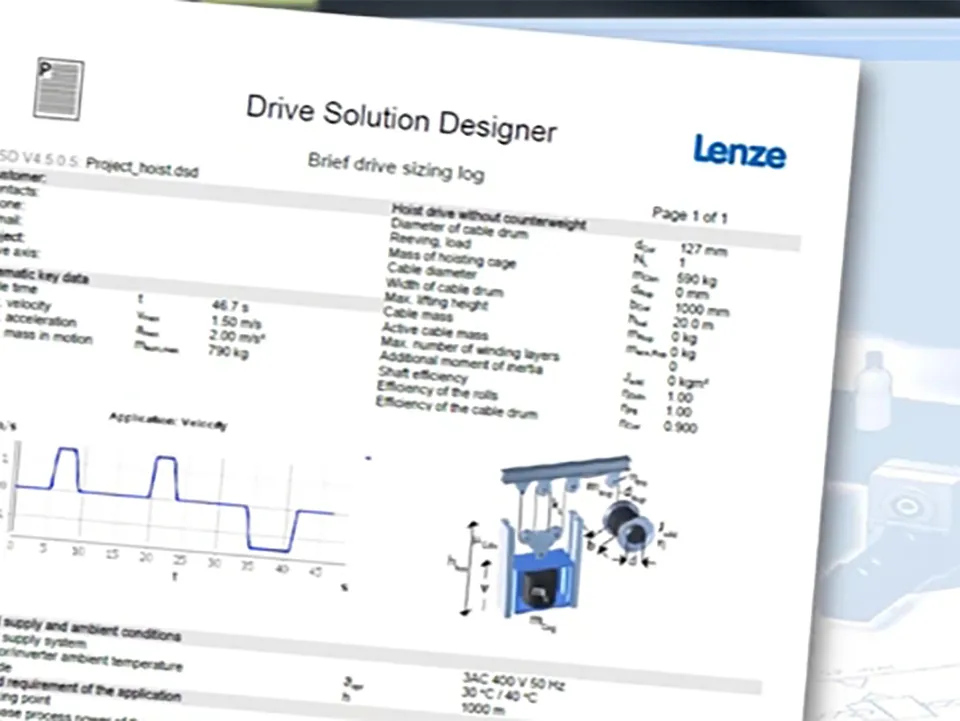
A new motor, a machine design that may or may not need to be adapted: all this will come at an additional cost, which machine builders would rather not pass on to their customers. Lenze therefore recommends looking beyond simply replacing the motor. “Moving up one efficiency class adds around 20% to the cost of the motor. Ultimately, the motor accounts for only 10% of a machine’s total savings potential. Take this opportunity to review the technology used throughout your machine. Technology has moved on considerably in recent years,” says Breker. “Drive sizing is a good example. It often reflects historical decisions, but there is considerable savings potential in reviewing the entire drive train. 80 to 90% of the savings potential lies in efficient drive sizing, the use of variable frequency drives, efficient motion control and the use of braking energy. We are pleased to make the Drive Solution Designer Tool available to our customers free of charge,” notes Denayer. “If you can reduce maintenance costs for end customers or make operation less complex, they will be more willing to pay the additional cost, especially if you can show that adding new features creates significantly greater value. A system solution incorporating Lenze controllers and the various software applications available can help implement this quickly and easily in a machine. See the requirements of the change to the ErP Directive as an opportunity to create even more added value and build future-proof machines for end users.”
Question about this story? Ask your question
Companies in this story
Keep following this
Get an email when a new story is published. No account needed.
- ThemeFuture-proof production amid scarcity
- SubjectMotion, gears & drives
- CompanyLenze