‘The market is ready for advanced intralogistics systems’
Text Evi HussonImage HUPICO
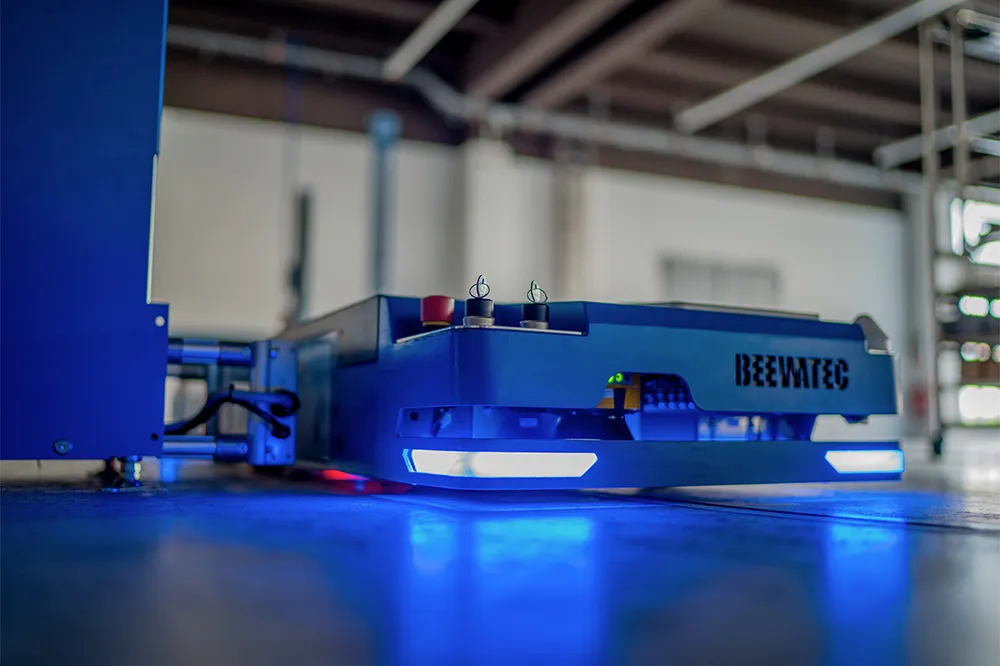
Intralogistics systems such as autonomous mobile robots are gaining ground. “We have been active in this segment for several years and are seeing that the market is now ready to implement these advanced solutions,” says Johan Paul. He is CEO of HUPICO, which specialises in automation solutions for the manufacturing industry, from robotics and vision systems to feeding systems, intralogistics, smart glasses and augmented reality.
In the field of intralogistics, Paul outlines a three-part product range. “First, we offer the familiar conveyor belts and transfer systems, which have been used for some time to move products efficiently from point A to point B. However, these conveyors are limited to fixed routes. Alongside these established technologies, we also offer monorail transport systems, similar to a metro, where a shuttle glides along a monorail to move products precisely from A to B. The monorail offers greater flexibility: with switches, lifts and so on, products can be delivered to specific locations, and the entire product flow can be tracked.”
Greater flexibility and autonomy
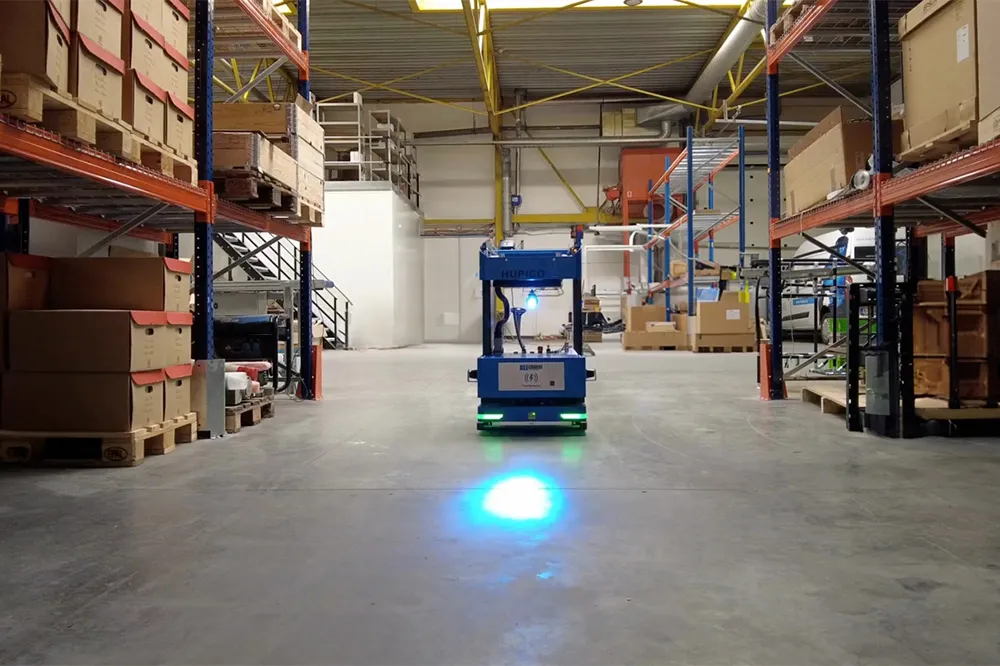
“We are increasingly receiving requests from customers to make intralogistics processes more flexible and autonomous. We can offer this too, particularly through autonomous mobile robots (AMRs). The aim is to automate the transport of goods that was previously carried out manually by operators, using bins containing goods. A good comparison is with self-driving vehicles that independently determine the optimal route from point A to point B. Thanks to built-in sensors and SLAM (Simultaneous Localization and Mapping) technology, they automatically detect and avoid unexpected obstacles in their path, such as pallets, goods or people. This enables the robot to determine its position and surroundings accurately, meaning it is not restricted to fixed routes. The system continuously scans its surroundings and compares them with an initial map, so only the start and end points need to be programmed, while the robot autonomously selects the most efficient route. This technology offers companies significant benefits, including allowing operators to focus on more important tasks while optimising the logistics process on the factory floor.”
Scalable, modular design
The flexibility of autonomous mobile robots (AMRs) is reflected in their scalability and modular expandability. “More importantly, this is a cooperative and collaborative solution that also safeguards operator safety through advanced sensor technology. Collaboration is not limited to interaction between humans and robots, but also extends to interactions between different robots and seamless integration with other systems.”
Robust reliability
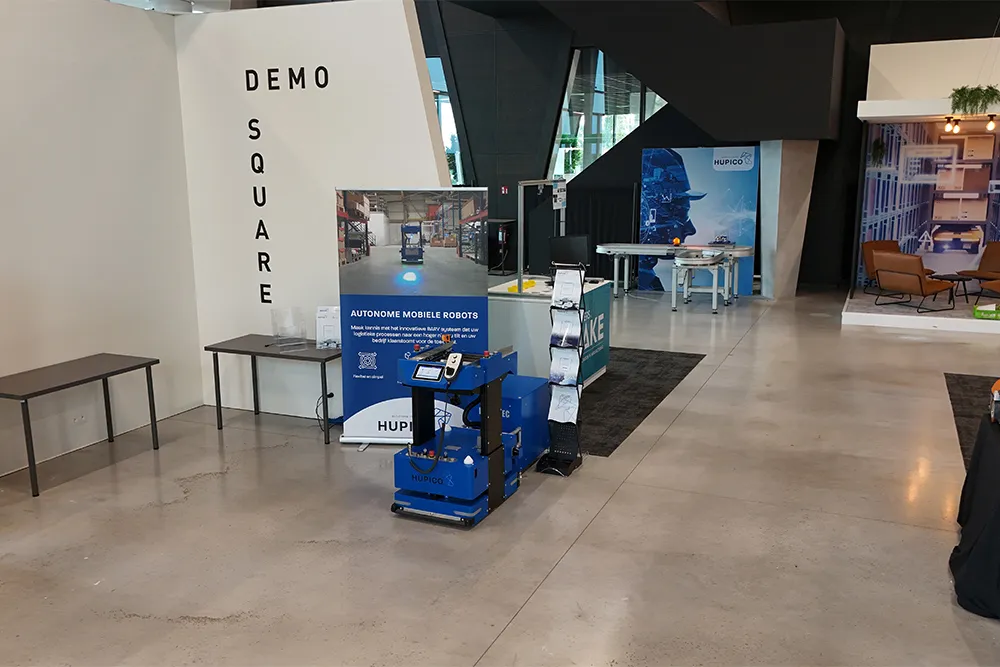
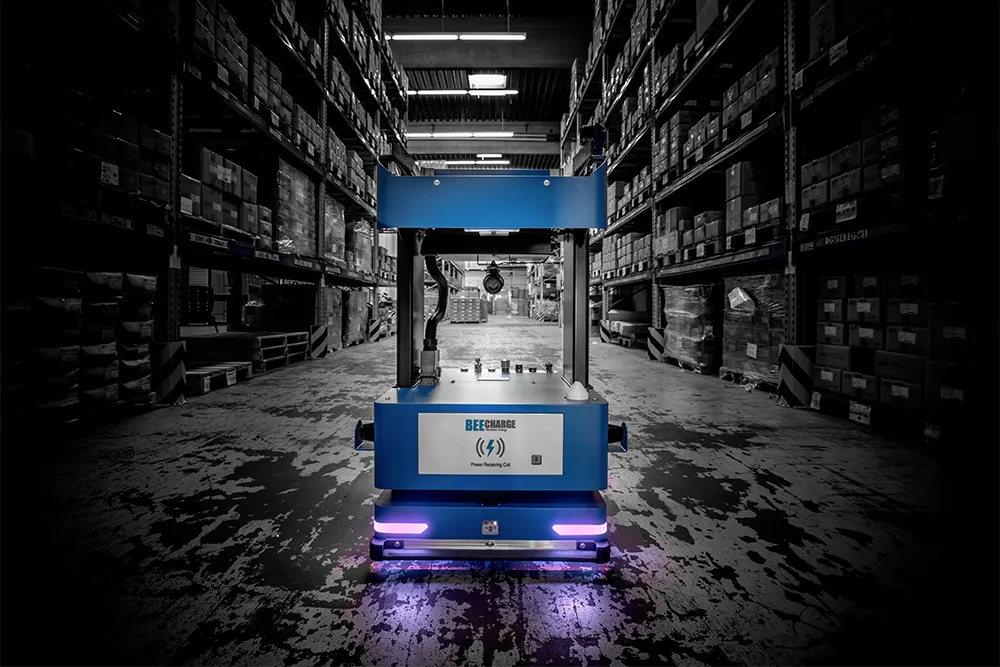
HUPICO’s CEO expects the use of AMRs to grow significantly in the future. “They can be used in a wide range of applications. All manufacturing sectors with intralogistics operations should seriously consider implementing an AMR.” However, not all AMRs are of the same quality. “HUPICO supplies 1 type of AMR product, namely BARY systems from the German company BeeWaTec. These industrial autonomous robots are highly robust. Conditions in industrial companies are often different from those in e-commerce, for example, where systems operate in clean environments and transport relatively small loads without human intervention. That is why we chose an AMR designed to withstand industrial environments. The robots can operate continuously (24/7) and carry substantial loads, up to 100 or 500 kilograms, depending on the AMR type. Certified laser scanners ensure safety, even when transporting heavy loads.”
Step-by-step implementation
“BARY systems can also be adapted to exceptional situations and, with some preparation, can prepare work in the warehouse before operators are ready to start their processes.” AMRs therefore offer many clear benefits. “However, a step-by-step implementation is important,” says Paul. “This increases the likelihood of success while giving employees the opportunity to adapt to the new situation. It can deliver significant gains and efficiencies, but a considered approach is essential.”
Question about this story? Ask your question
Keep following this
Get an email when a new story is published. No account needed.
- ThemeFlexible production with robots
- SubjectMotion, gears & drives