Variable speed drives compared with soft starters
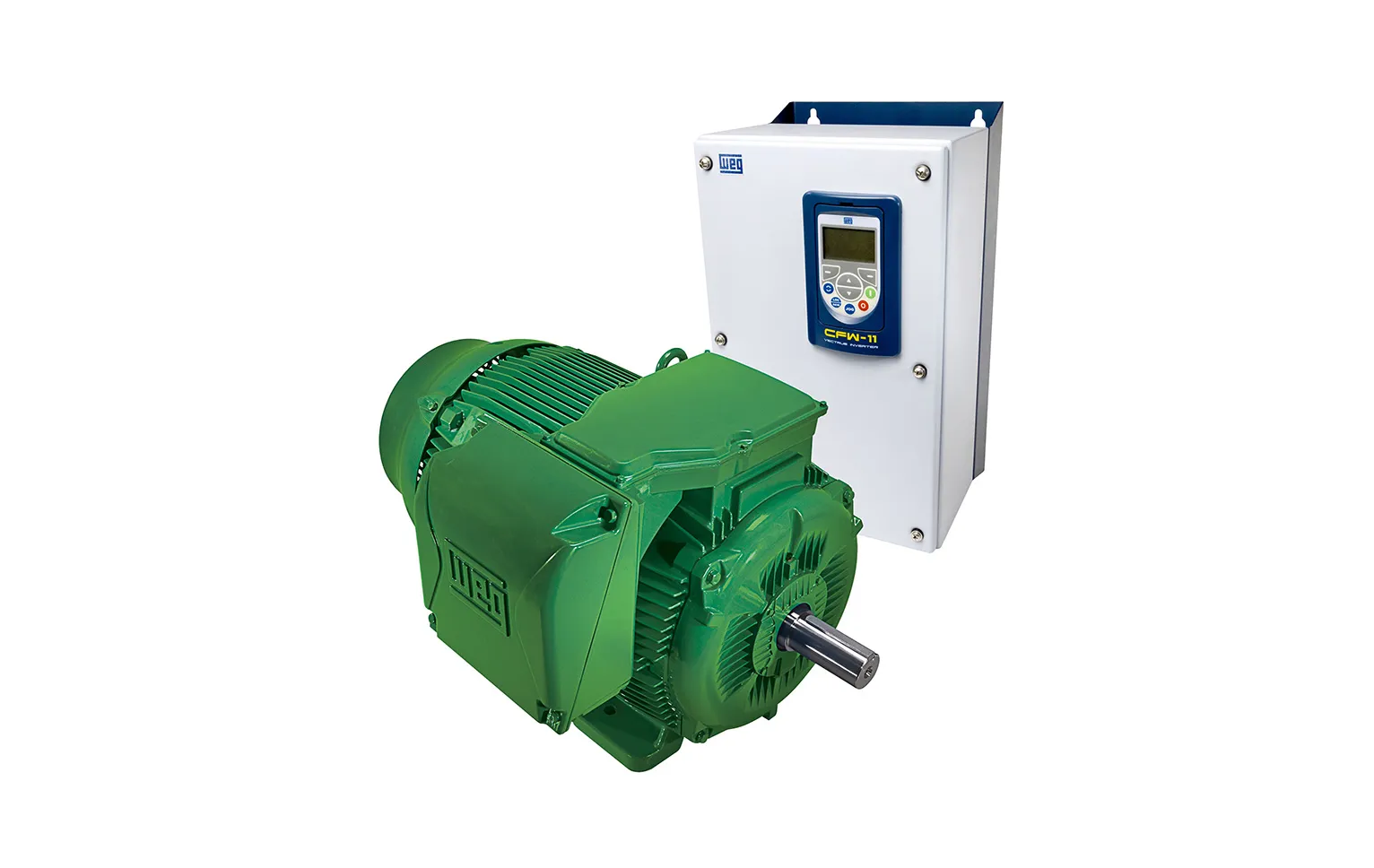
There are currently 8 billion electric motors in operation in Europe, consuming around half of the continent’s electricity. Variable speed drives (VSD’s) and soft starters reduce a motor’s energy consumption by allowing users to control its power. Which is the best choice? Marek Lukaszczyk, marketing manager for Europe and the Middle East at WEG, offers advice on choosing between a variable speed drive and a soft starter.
What is a soft starter?
Soft starters use semiconductors to temporarily limit the motor’s output voltage. This gives the user control over the motor current, limiting inrush current and shaft torque. As the name suggests, soft starters allow a motor to build up its load gradually by limiting the voltage supplied to the motor and delivering lower torque.
This not only reduces energy consumption, but the lower voltage also protects the motor and connected equipment from damage by controlling the output voltage. This limits inrush current and reduces the mechanical shock associated with starting the motor. By gradually increasing the motor’s output voltage, the soft starter delivers more controlled acceleration up to maximum speed. Soft starters are also suitable for achieving a gradual stop, as an abrupt stop can cause problems for connected equipment.
What is a variable speed drive?
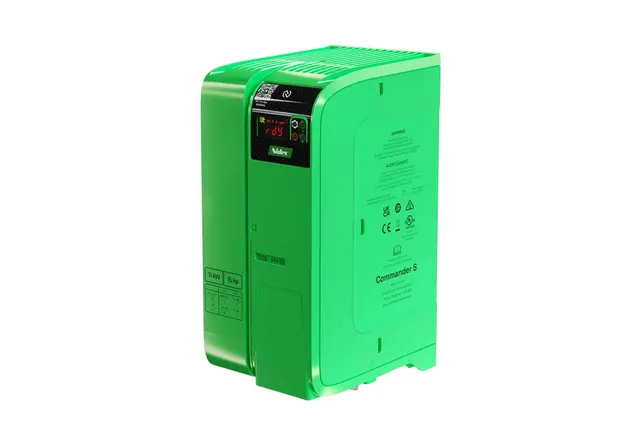
As the name suggests, a variable speed drive is a control unit that varies a motor’s speed. Also known as a speed controller or variable speed drive, it can control the motor’s speed during the start and stop cycle and throughout the operating cycle.
Variable speed drives continuously convert the frequency and voltage of the input power to a different frequency and voltage to control the speed of AC induction motors. Variable speed drives enable controlled starting, stopping and acceleration, and also provide dynamic torque control while a motor is running.
Which should you choose?
The choice between a soft starter and a variable speed drive depends entirely on your application. Soft starters are smaller and less expensive than variable speed drives, especially in higher-power applications. Larger variable speed drives take up more space and are usually more expensive than soft starters. Although variable speed drives may cost more initially, they deliver significant energy savings and therefore reduce costs over the equipment’s lifetime, resulting in a lower total cost of ownership.
Speed control is a major advantage of a variable speed drive, as it provides a consistent acceleration time across the motor’s entire operating range, not just during starting. Variable speed drives also offer more flexible functionality than soft starters, including digital diagnostic information.
That said, variable speed drives can initially cost two to three times as much as a soft starter. If constant acceleration and torque control are not required and your application only needs current limiting during starting, a soft starter may be a more cost-effective solution.
Soft starter applications
Soft starters are most commonly used in applications where speed ramp-up and torque control are mainly needed during starting or stopping, or where a gradual start is required to prevent torque peaks and stress in a mechanical system. This can be relevant for conveyors, belt-driven systems, gears or couplings. Soft starters are also suitable for pipeline systems where pressure surges need to be avoided when changes in fluid flow occur too quickly.
Variable speed drive applications
Variable speed drives are ideal for applications that require full speed control. By providing tailored control, variable speed drives can adjust power when full power is not needed and increase it again when required. This is ideal for production applications where equipment is used for a range of processes.
Take food processing facilities, for example. On a production line making different types of products, which require different equipment operating at different cooking temperatures, a fan’s power may need to be adjusted continuously to maintain optimal cooling. In this situation, being able to adjust the fan speed can save a great deal of energy compared with a fan running constantly at full speed, or one that has to be switched off and back on several times during a shift.
With 8 billion motors in operation in Europe, there are plenty of opportunities to save energy by introducing variable speed drives or soft starters. For manufacturers, these relatively low-cost investments in their production facilities can deliver considerable cost savings. For more information about WEG variable speed drives and soft starters, download the guide from www.weg-automation.com.
Question about this story? Ask your question
Keep following this
Get an email when a new story is published. No account needed.
- SubjectMotion, gears & drives