Why invest in robotics?
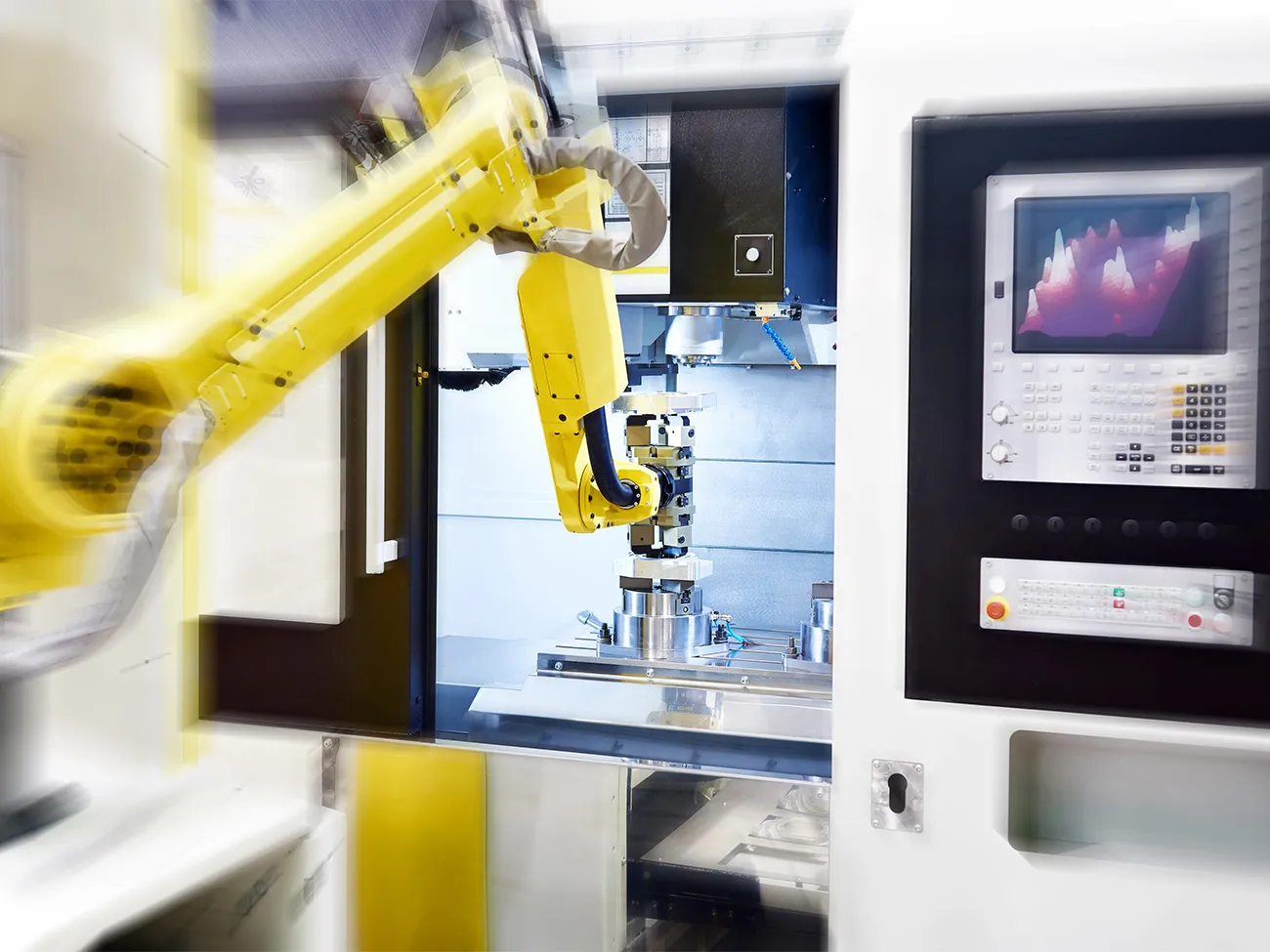
Who can still easily find staff to operate their machine tools today? Few business owners will be able to answer that with an unqualified yes. On the contrary, labour shortages often stand in the way of growth. The ‘war for talent’ will make technical skills even scarcer in the years ahead. So anyone looking to grow will need to consider automation. It has also become a viable option for every metalworking company. Technological advances have dramatically lowered the barriers to investing in robotics. This article aims to put any remaining doubts out of your mind.
Automation is only suitable for standard products and large production runs. There is no greater misconception in the metalworking industry, and we are determined to put it to rest once and for all. Production runs are shrinking all over the world, and ‘high mix, low volume’ production is becoming the norm. Robot manufacturers and integrators have anticipated this trend. In recent years, they have focused more on the flexibility needed to handle a wider range of products, right down to one-off items.
One way of lowering this barrier has been to significantly simplify programming. You no longer need to employ a robot programmer to automate the loading and unloading of your CNC machines. With good training, you can soon get started and confidently leave your robots to handle an extra shift in the evening or at weekends.
Flexibility also means being able to load and unload workpieces of different sizes and shapes. A set of grippers that works for every product has yet to be invented. But just as a machine tool can be equipped with multiple tools, a robot can retrieve the right tooling for specific products from a magazine.
Quick payback
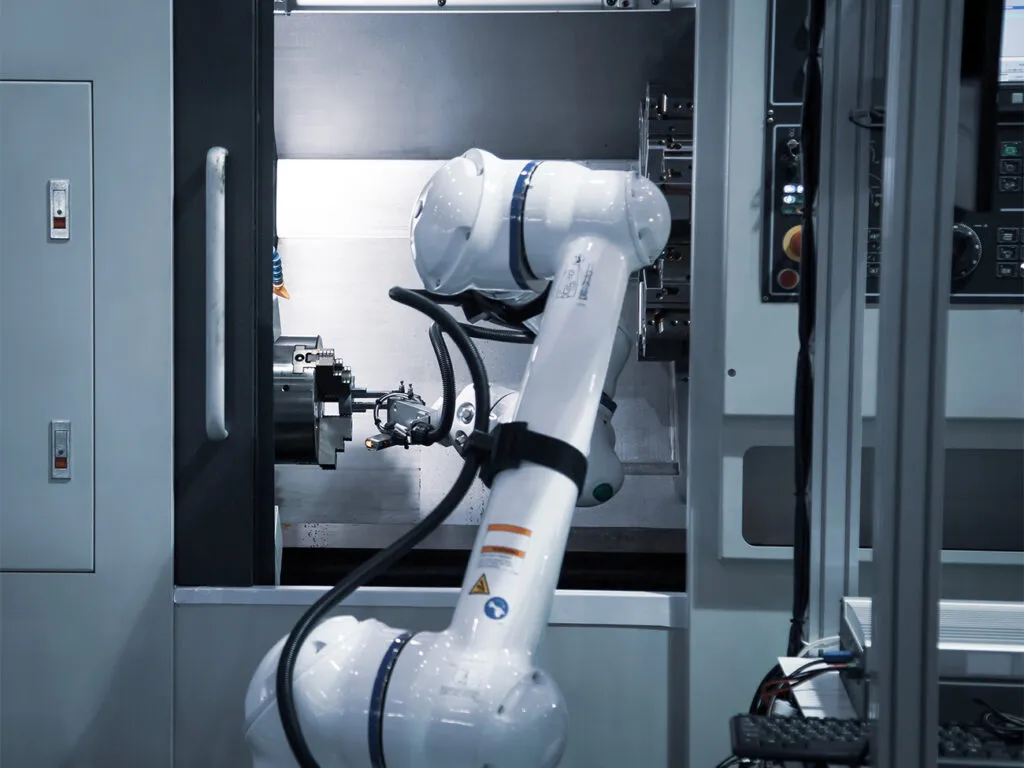
When people think of automation, they often think of a hefty price tag. But this, too, has seen progress in recent years. Robot technology has become much more affordable, although of course it still comes at a cost. For most business owners, it is easy to use Excel spreadsheets or data from software packages to work out what a new CNC machine will deliver. Assessing the return on a robot is much harder, particularly if you do not yet have one on the shop floor.
It is important to understand that a robot can have a significant impact across the entire shop floor. It gives you new opportunities, such as producing at night and at weekends. In other words, your spindle utilisation will increase considerably.
Your machines are not the only assets that can be put to better use. The same applies to your employees, as the robot takes over repetitive tasks, allowing them to focus their technical skills on the actual machining work. These, too, are factors to consider when assessing the return on investment in a robot. To get the full benefit from the first robot on your shop floor, it is therefore worth taking a step back and considering how and where its arrival could further optimise your production processes.
Mature, proven technology
But which automation solution is best suited to your production? That, too, can be difficult to work out when you are considering your first automation solution. It is therefore a sensible choice to work with partners who have already proved themselves in this field. Machine tool and robot manufacturers, as well as providers of robotic solutions, can all help you get started. In recent years, considerable progress has been made in developing open interfaces that allow your machine tools and robots to communicate easily with one another.
The general rule ‘keep it simple, stupid’ certainly applies here, too. Automation and robotics need not become unnecessarily complex or expensive, even if you want a solution tailored to your production. There is already a wealth of standard technology available to help you take those first steps efficiently. The lower you make the barrier, the more readily your production-floor staff will embrace this technology, and the sooner you will reap the benefits. That means a shorter ROI, certainly, but also identifying new opportunities for the longer term. Seeing a robot in action at one machine makes it tangible what benefits it could bring to another machine.
Making the most of talent
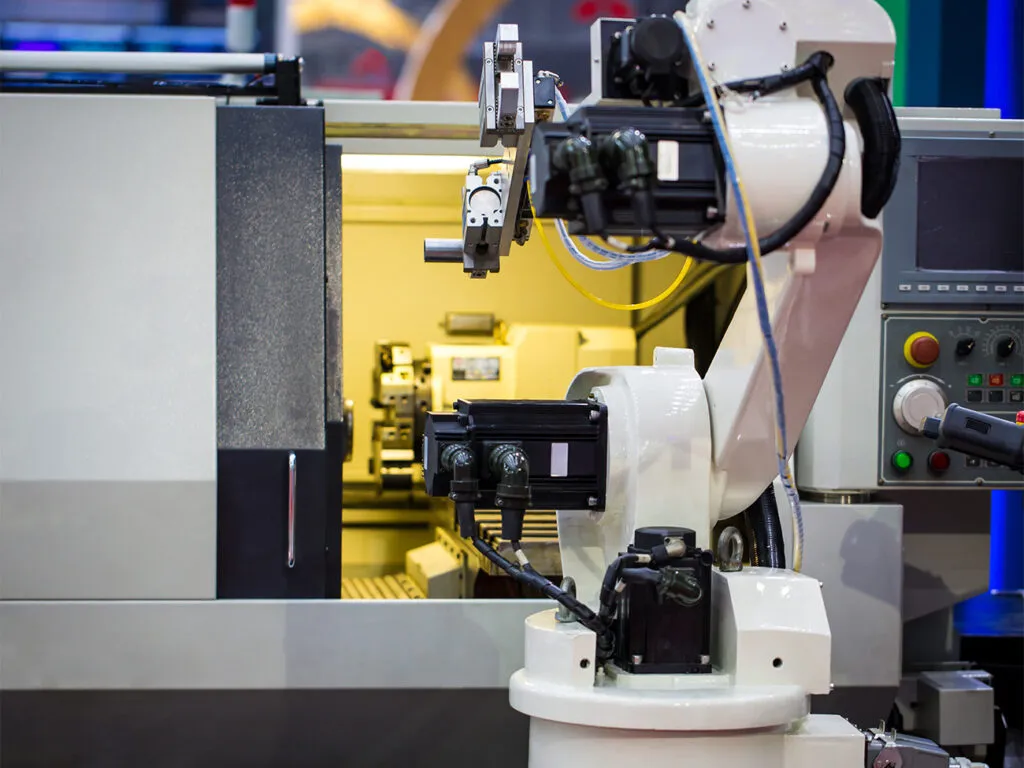
But before you pick up the phone to place your first order, bear this in mind. Automation is first and foremost about people, however contradictory that may sound. The technology you invest in is, first and foremost, intended to support your employees. So they are under less strain while getting more done. So they can make the most of their talents and find greater satisfaction in their work. A robot therefore affects not only productivity, but also the working atmosphere and your company’s capacity to innovate.
Question about this story? Ask your question
Keep following this
Get an email when a new story is published. No account needed.
- ThemeFlexible production with robots
- SubjectMotion, gears & drives