












A sense of touch for robots
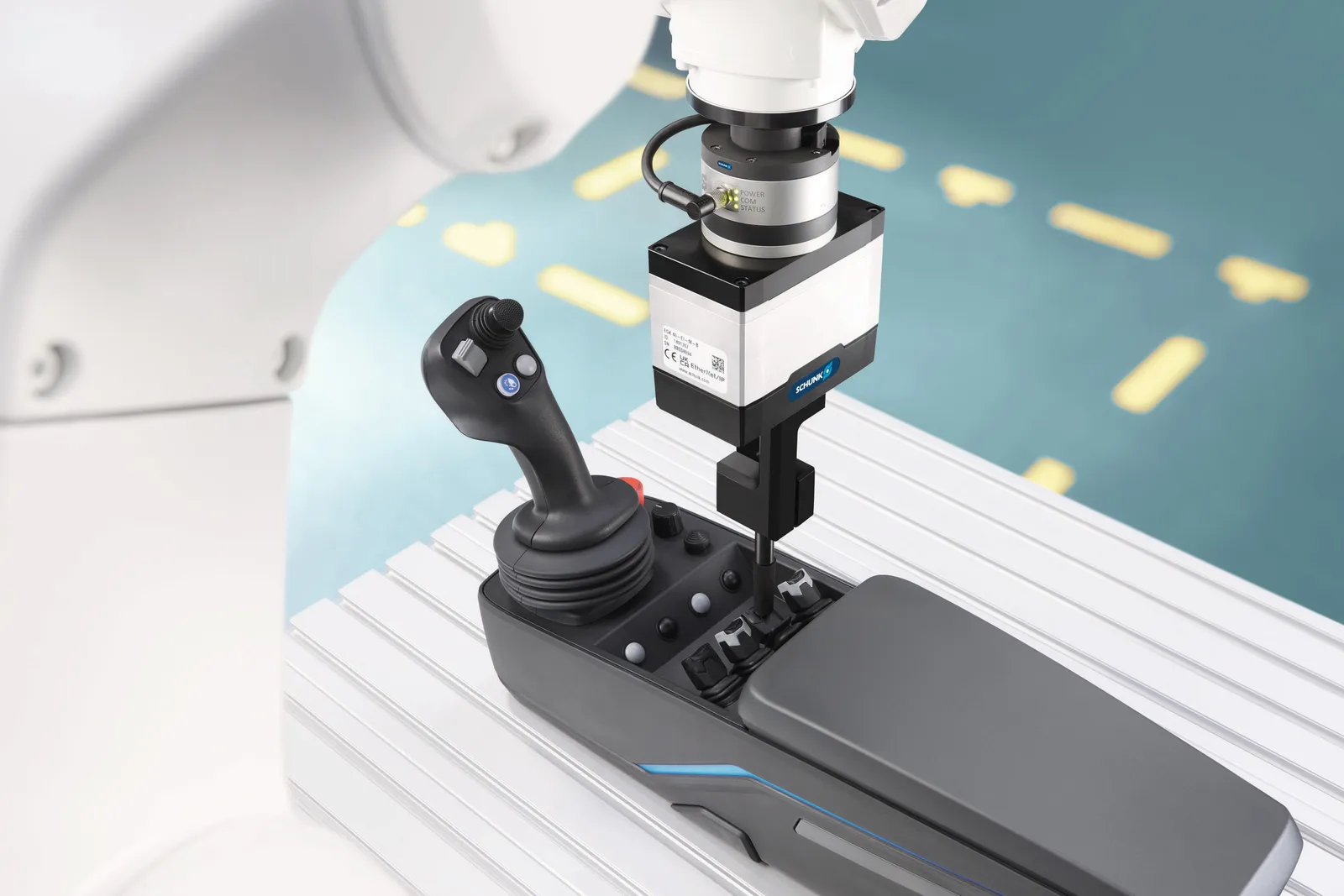
SCHUNK’s 6-axis FTS force/torque sensor delivers exceptional accuracy, high resolution and great flexibility. As an end-of-arm solution, these properties ensure maximum efficiency and process reliability in automation applications. The sensor is used in a wide range of processes, including quality control, process monitoring, grinding and assembly.
Robots boost efficiency and quality in production and help cut costs. However, production without downtime is only possible if every process step and its associated monitoring function reliably. The demands on individual components are therefore high. SCHUNK’s new Robot PLUS portfolio provides the right foundation, covering the space between the robot flange and the end effector and including, among other things, tool changers, compensation units and force/torque sensors.
A key component of this portfolio is the 6-axis FTS force/torque sensor. Its strength lies in its sensitivity: where robots usually reach their limits because they lack a sense of touch, the FTS gives them the “fingertip feel” they need to carry out even complex tasks reliably. The sensor brings together SCHUNK’s extensive development expertise. It measures with the highest precision and resolution, enabling extremely accurate process monitoring in a wide range of applications.
Versatile applications, from battery cells to rehabilitation
A sense of touch is needed, for example, when assembling battery cells for electric vehicles. As the robot places the battery modules onto adhesive beads in the battery housing, the FTS ensures that each module is applied with exactly the same pressure. This lays the foundation for safe, functional batteries with consistent quality.
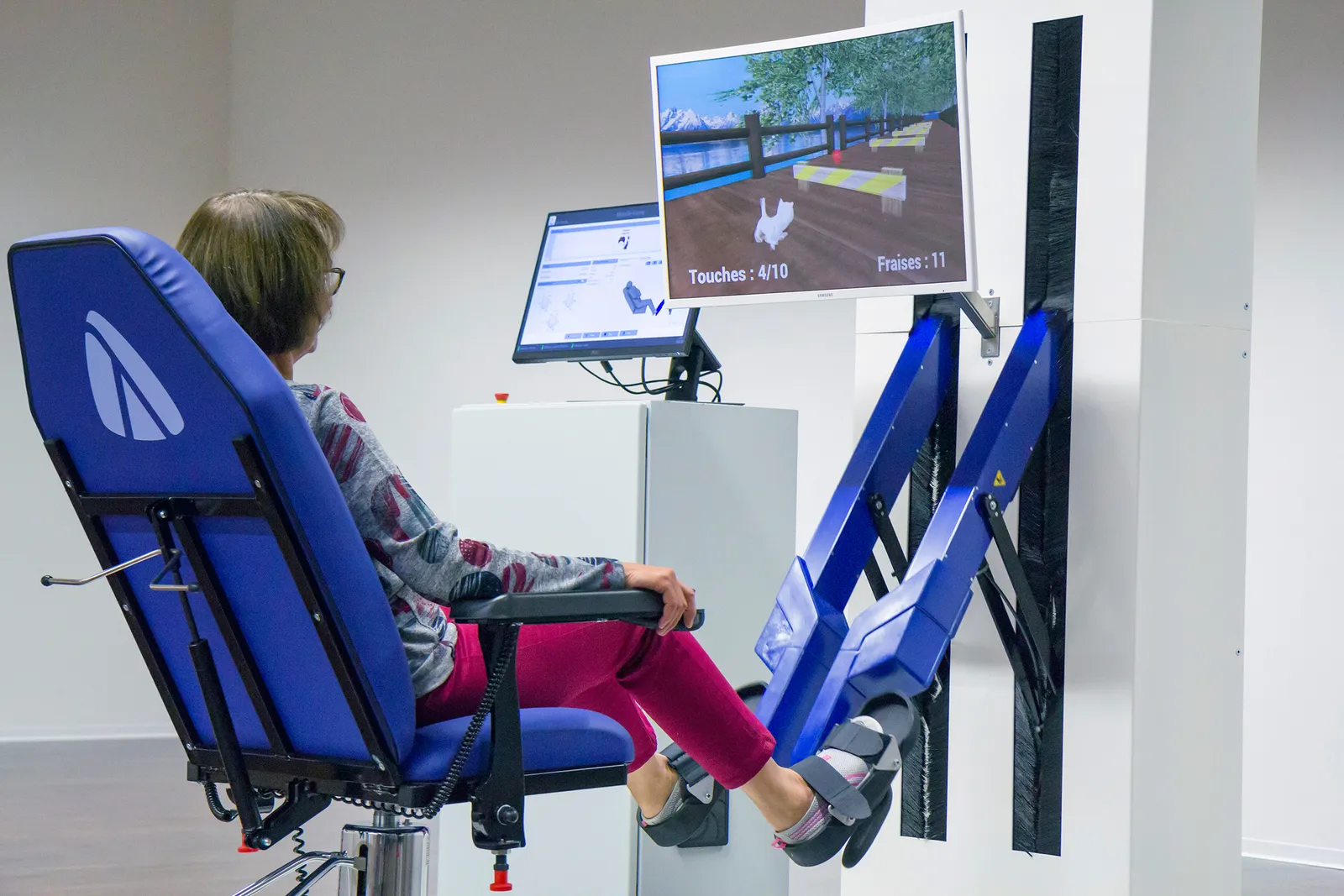
The FTS also plays an important role in the electronics industry, for example in the automated placement of printed circuit board components. Its high sensitivity ensures that the robot places even the smallest and most delicate components reliably, applying the correct pressure without damaging them. In medical technology, the FTS is even used directly with patients: the sensor is integrated into therapy robots that help mobilise patients. With the 6-axis force/torque sensor, the robot can perform movements involving one or more joints, either passively, with active assistance or fully actively, combined with targets such as strength, range of motion or coordination. The sensor analyses various parameters and can therefore track the patient’s progress.
Intelligent sensor technology
For maximum precision, the FTS is equipped with strain gauges that detect mechanical deformation of the sensor element and convert it into highly accurate signals across all six degrees of freedom (Fx, Fy, Fz, Mx, My, Mz). Combined with low-noise signal processing, these strain gauges deliver high resolution and signal quality. The robust, highly rigid housing ensures durability and maintains exceptional measurement accuracy, even in dynamic applications. The sensor meets IP67 protection requirements, making it suitable for use in demanding environments. Integrated LEDs indicate power, communications and sensor status, making status monitoring straightforward.
Easy installation
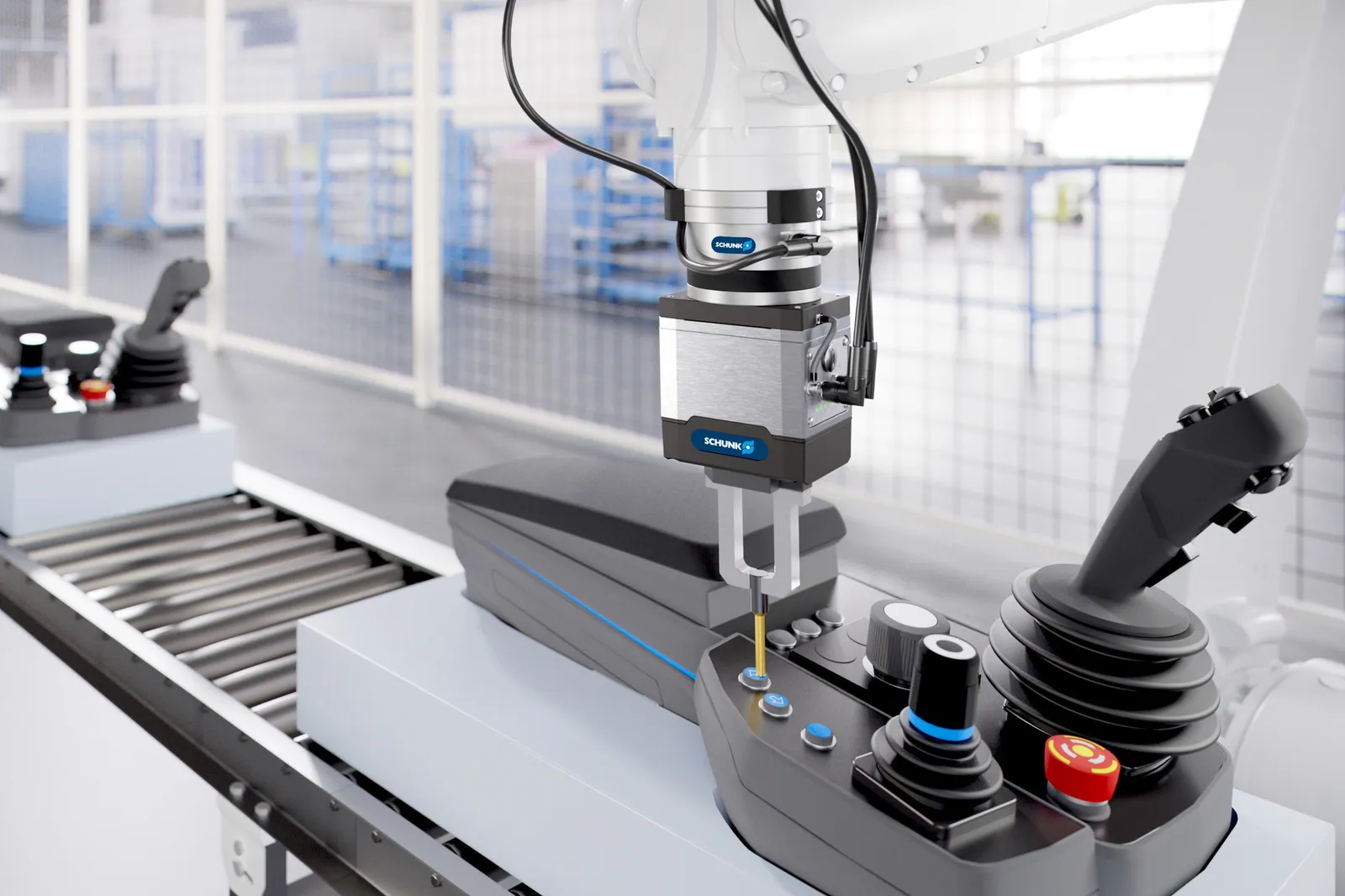
SCHUNK’s FTS is easy to install: standardised ISO bolt patterns on the tool side and adapter plates on the robot side enable quick, straightforward installation. The sensor can be easily and seamlessly integrated into existing network topologies via the interface box, which has connections for EtherNet/IP, EtherCAT and PROFINET.
A user-friendly interface simplifies commissioning and ensures optimal collaboration with other SCHUNK products.
With nine sizes and measuring ranges (Fxy: 125-16,000 N, Fz: 300-32,000 N, Mxyz: 4.5-2,800 Nm), the FTS offers the right solution for almost any measurement task across a wide range of applications. schunk.com
Have a business enquiry for SCHUNK? Get in touch
Companies in this story

Keep following this
Get an email when a new story is published. No account needed.
- ThemeFlexible production with robots
- SubjectNews
- CompanySCHUNK







