












Automation and logistics: a marriage made in heaven in full swing
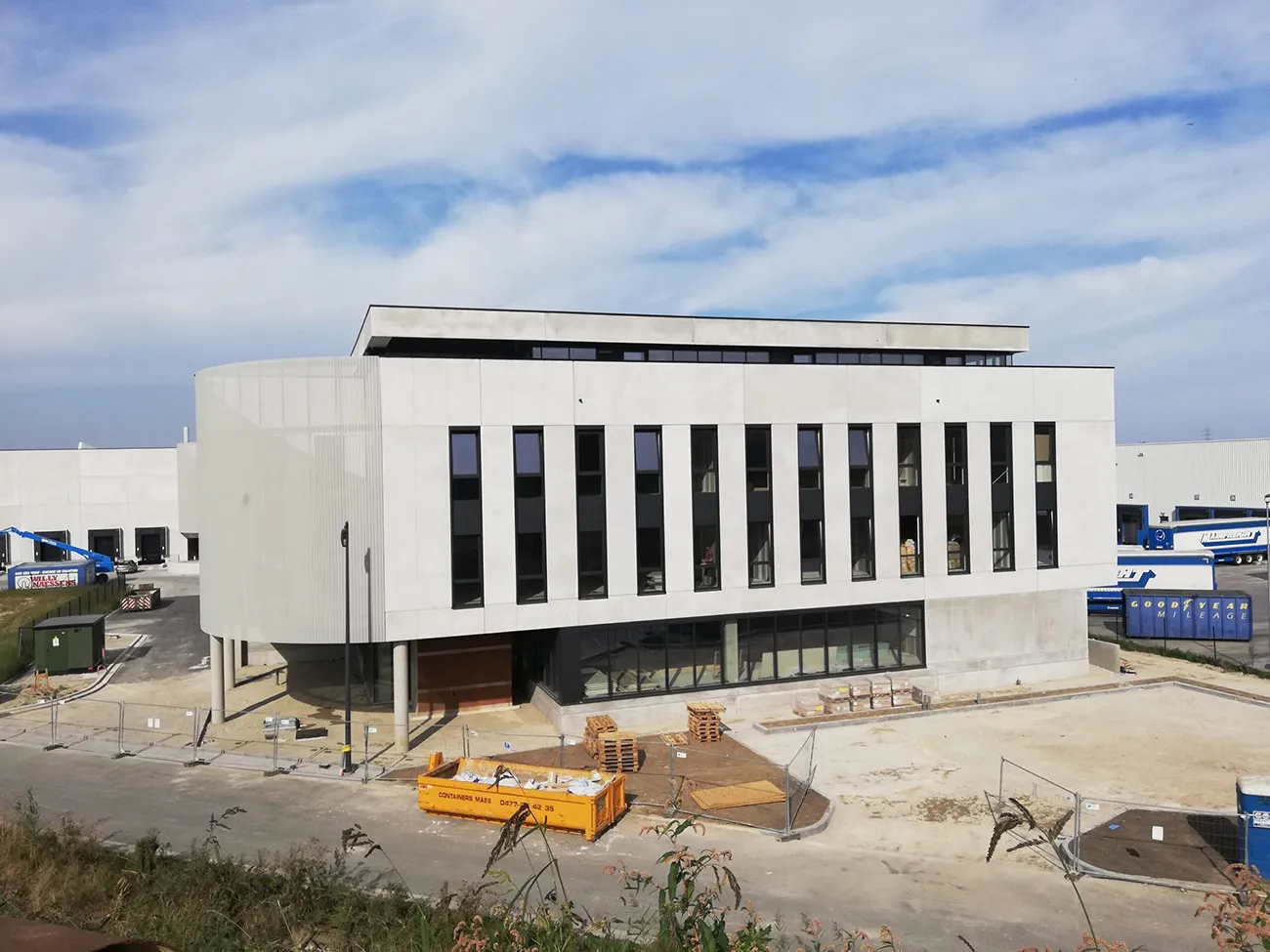
Two new demonstrators in Zeebrugge and Ghent
Managing and controlling the logistics supply chain is increasingly a matter of automation. While embracing technologies for interconnectivity, data processing and AI opens up a vast range of new opportunities, Flanders is still lagging behind somewhat in this evolution. Several forward-thinking initiatives are therefore hoping to kick-start a catch-up effort.
Few sectors are more directly affected by technology than logistics. Changing needs and expectations are also driving strong demand for innovation in this sector. The climate challenge should be seen as a powerful accelerator in this respect. Making transport and logistics more sustainable almost inevitably means adopting new technologies and data-processing systems.
The shift often referred to as “Logistics 4.0” creates enormous opportunities for businesses, but it also comes at a considerable cost. As a result, in practice, automation is being implemented mainly by large players. This is also one reason why Belgium, a country dominated by SMEs, is clearly lagging behind its neighbours. To address this shortfall and accelerate the transition to a more automated logistics sector, the government has recently launched several initiatives. In doing so, it hopes to strengthen the economic competitiveness of Belgian companies in the e-commerce era.
Demonstration space
One of these initiatives is Future Logistics Hub in Zeebrugge, a project by POM West-Vlaanderen. It is a digital demonstration space where students, businesses and government bodies can gain knowledge and inspiration about Logistics 4.0. “We mainly demonstrate the possibilities offered by the so-called physical internet. This consists of fully connected, open networks of logistics services through which physical objects are moved, stored, delivered and used,” explains Barbara Peene, Program Manager Physical Internet at POM West-Vlaanderen.
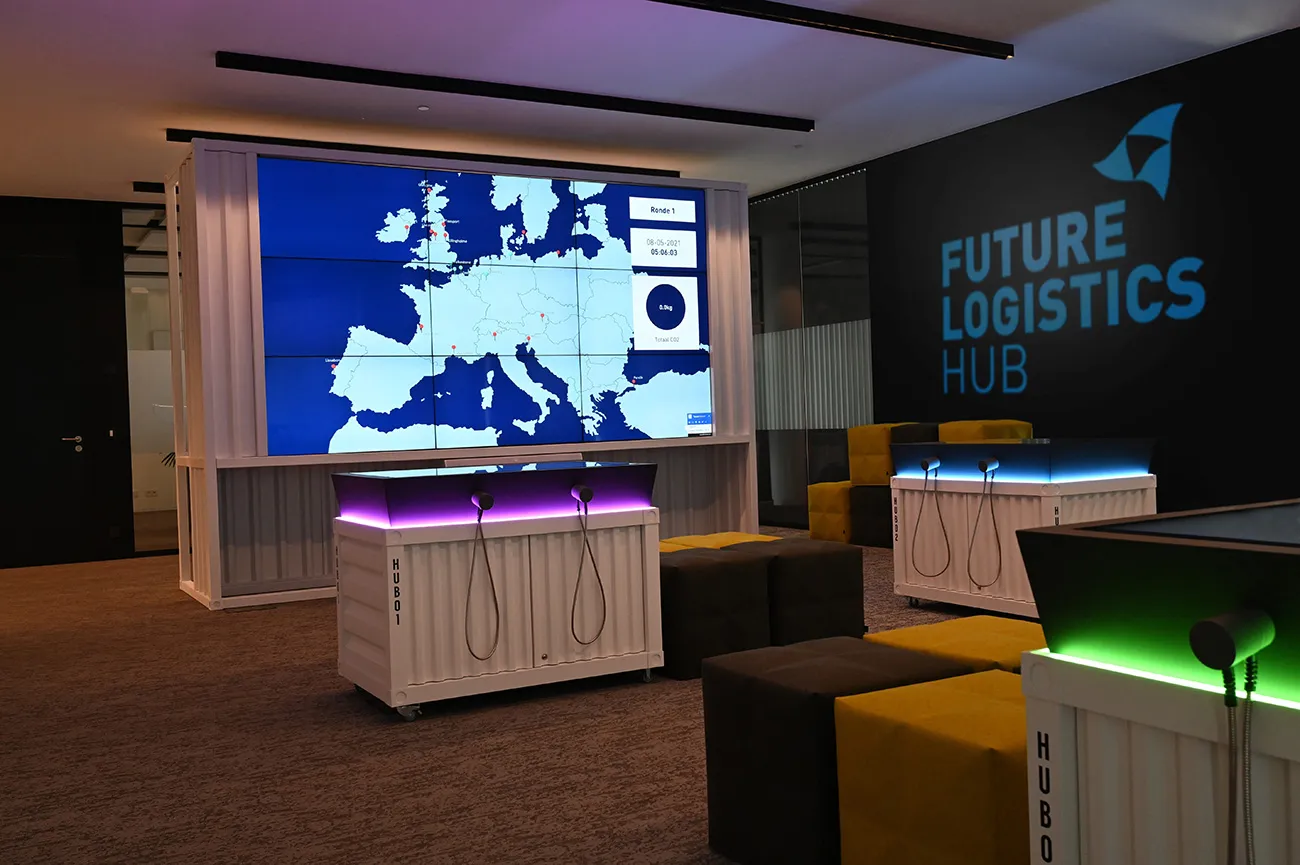
Visitors to this hub, which opened in September 2021, can attend presentations on five core themes of the physical internet: automation, digitalisation, collaborative shipping, value added logistics/value added services and last-mile logistics. “We also offer an extensive game that gives interested visitors an interactive introduction to synchromodal transport. In addition, video material showcases best practices from companies that have already implemented these principles. The hub also serves as an excellent showcase for them,” adds Peene.
Accessible test centre
Another notable initiative in this context is Fabriek Logistiek in Ghent, which recently opened its doors. “We are an accessible test and training centre for companies looking to review the processes and systems in their warehouses. Companies can hire the site and bring their own staff to test innovative technologies,” says Danny Vanrijkel, project coordinator at POM Oost-Vlaanderen, the initiator of this test centre, located a stone’s throw from the Ghelamco Arena.
The test centre is provided with technology on loan by 29 partners, all active in logistics, automation and innovation. “Based on their knowledge of the market, they try to gauge what is needed today. This creates a natural impetus to keep showcasing the latest technologies. For our partners, it is a very interesting platform for attracting potential new customers,” says Vanrijkel. “Fabriek Logistiek is therefore purely a facilitator and has no commercial interests of its own, which is unique both in Belgium and abroad.”
Both recent initiatives show that government and technology suppliers are making efforts to bring logistics automation in Belgium up to speed. “Our aim is to put Flanders on the map as a leading logistics region in the era of Logistics 4.0,” concludes an ambitious Vanrijkel.
Question about this story? Ask your question
Keep following this
Get an email when a new story is published. No account needed.
- SubjectNews







