












Condition monitoring: a win-win for machine builders and end customers
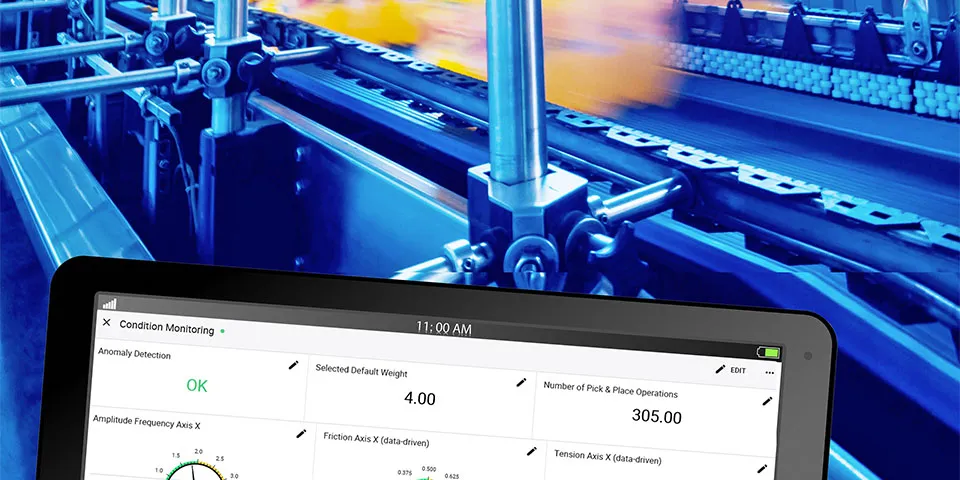
Companies want to move towards predictive maintenance. But before you can predict when faults will occur, you need a clear picture of how your machine is operating. That means condition monitoring. Lenze says there is no need to integrate additional, costly sensor technology. Instead, it turns the drive itself into a sensor, enabling machine builders to become data scientists for their own machines.

Stefan van Dooren, Technical Account Manager Systems & Digital at Lenze
Every machine builder is now looking into how to obtain the data needed to assess the health of their machines. According to Stefan van Dooren, Technical Account Manager Systems & Digital at Lenze, there are several reasons for this. “Cost savings, of course. It’s the way to enable remote maintenance. But understanding how the machine is running is also essential for optimising life cycle management.” Van Dooren is convinced that the growing interest in condition monitoring will gain further momentum as a result of the coronavirus pandemic. “Companies are now looking to accelerate the integration of digital technology so they can work remotely. Lower revenues may, of course, put the brakes on investment. But where possible, they want to invest now to be ready for the future. The pandemic has also given them some breathing space to think about the innovations they need.”

The challenge is to implement condition monitoring without incurring higher hardware costs. The trick is to extract added information value from data sources that are already available.
The drive becomes the sensor
End customers are also urging machine builders to develop their expertise in condition monitoring. They see it as the ideal way to increase machine availability and performance. “The challenge is to achieve this without incurring higher hardware costs. The trick is to extract added information value from data sources that are already available.” That is why Lenze turns the drive into a sensor. It contains all the information needed to see how a machine changes over time: torque, speed, inertia, elasticity … And with the addition of machine learning and artificial intelligence algorithms, there is a wealth of information to be gleaned.” Exactly which data is needed depends greatly on the application and the customer. Working together, machine builders, end customers and manufacturers can therefore achieve the highest possible ROI.
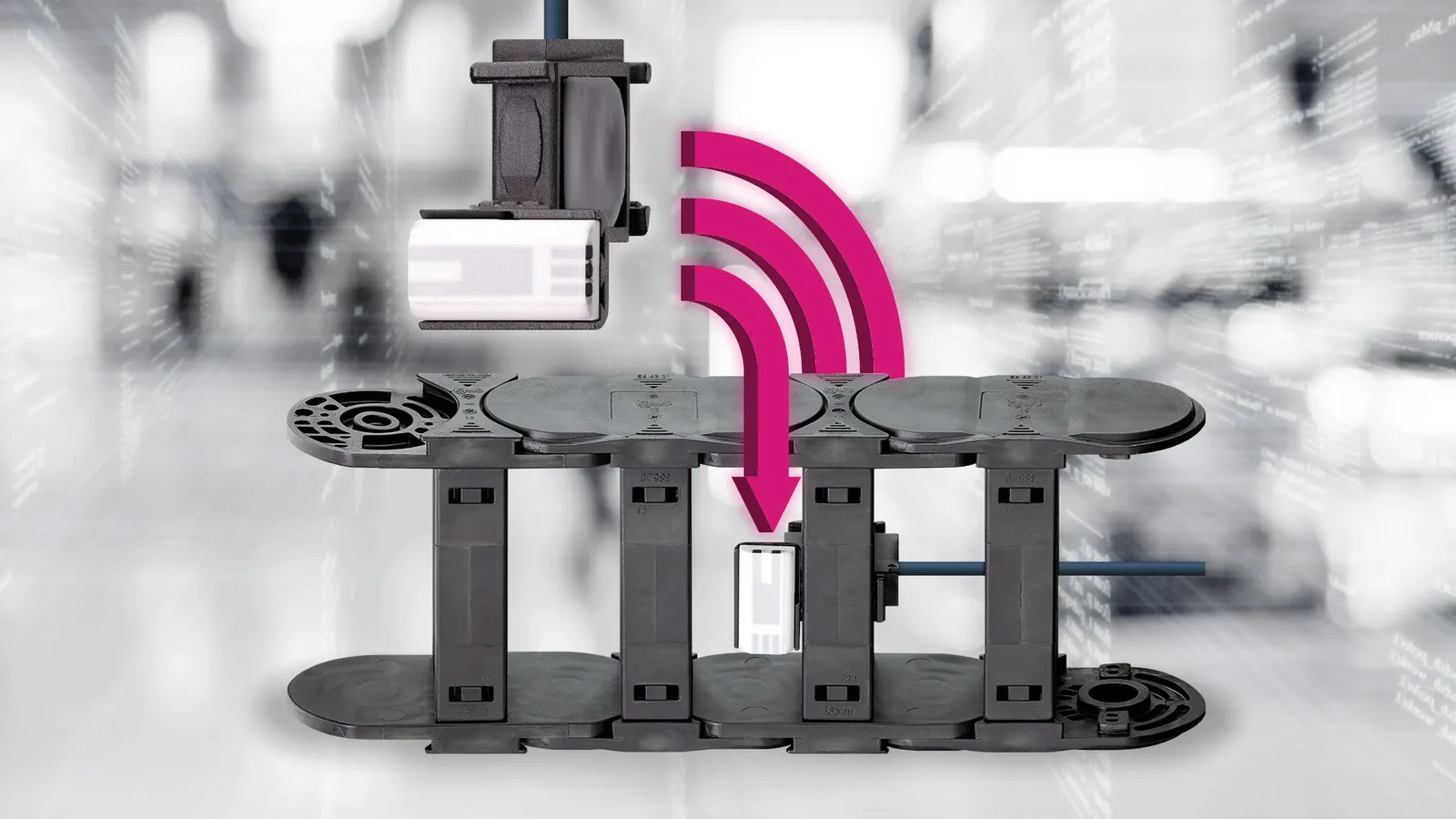
Lenze turns the drive into a sensor.
It contains all the information needed to see how a machine changes over time.
Brainware makes the difference
Software is what will deliver most of the added value. Lenze set out on this path twenty years ago. “Condition monitoring calls for the integration of operational technology (OT) and information technology (IT). For example, we developed the x4 platform to bridge the gap: an open, ready-to-use cloud solution for condition monitoring, remote maintenance and asset management. This evolution has greatly broadened the field of expertise and made the manufacturer’s role in providing the right support more important. That is why we also add a little brainware to our components. Customers can benefit from the wealth of experience and knowledge we have built up in this area. We sit down with them in advance to find out which pain points they want to identify, what hardware is needed to extract the right information, and what software can process that data into information of great value. We bring together expertise in drives, automation and digitalisation,” concludes Van Dooren.
Question about this story? Ask your question
Companies in this story

Keep following this
Get an email when a new story is published. No account needed.
- SubjectNews
- CompanyLenze







