












Dr Marc Wucherer: less government, more industry
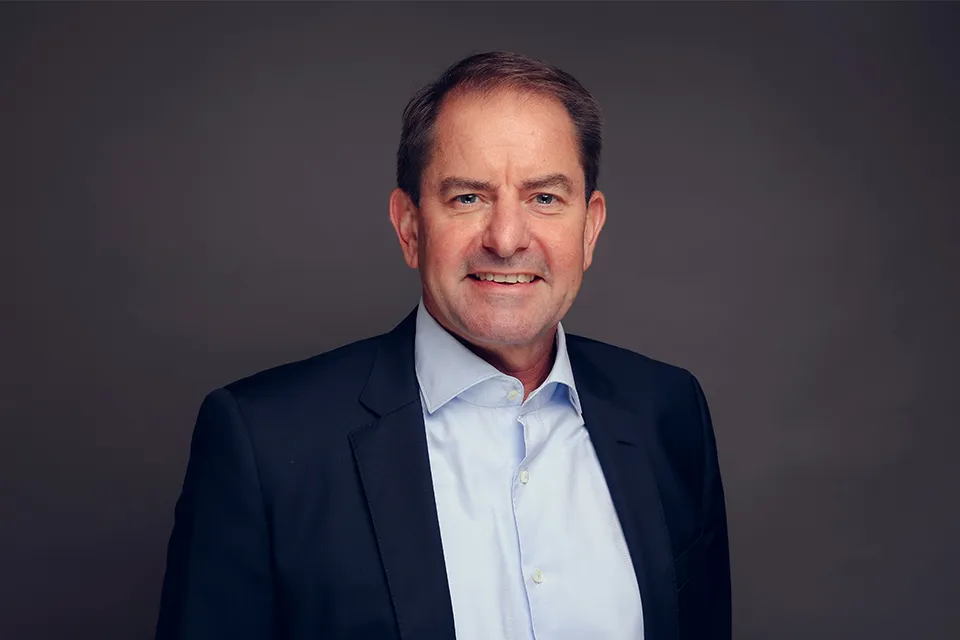
European competitiveness depends on a stable system. Yet many politicians lack the resolve to make difficult decisions. Votes are the currency, after all, and they often look no further than the next election, while industry needs a long-term framework. Unless we change this, we will never make a real difference and will remain a mere pawn between West and East, between America and China.
In Europe, we bear costs that other regions do not, such as high labour and energy costs. But bureaucracy is the biggest brake on our capacity to innovate and compete. New rules are constantly being introduced, such as the Green Deal and the Cyber Resilience Act. In an ideal world, there would be nothing wrong with sustainability and cyber security, quite the opposite. Unfortunately, that is not the reality today. The administrative burden that comes with these ideals is a noose around the neck of industrial companies. It adds little value, because most customers are unwilling to pay for it unless there is a direct benefit in return.
In other words, industry remains the cornerstone of our prosperity. We were relatively unscathed by the last major crisis, the 2008/2009 financial crisis, thanks to our strong industrial base. We were able to produce at acceptable cost. Systems such as the dual training model ensured a supply of technically well-trained young people. Automation increased our productivity. It was a golden age of industrial competitiveness. If we lose that, our prosperity will eventually disappear too. We cannot influence import tariffs, but we can influence our cost structure. Simply reducing the complexity of legislation would be a step in the right direction.
In fact, the whole system would benefit from considered reform. We often expect new facilities and services quickly, but ultimately everything has to be funded, and that responsibility lies with all of us as taxpayers. Government spending and public debt have continued to rise in recent years, and this trend is unsustainable in the long term.
What is needed is a framework in which the government focuses on creating the right conditions, making private investment in infrastructure and industry more attractive. This calls for a more efficient public sector that manages resources carefully. These steps are undoubtedly challenging, but essential if we are to provide sustainable prosperity for future generations.
Industry itself must also take responsibility. For example, by breaking down silo thinking. If companies worked together more effectively, they could negotiate better purchasing terms. And we, as a technology manufacturer, must make our components more intelligent, enabling complex production processes while keeping them simple to operate. So let us continue to focus on what Europe does well: building machines that offer excellent value for money. Innovation and excellence must be our guiding principles. Lenze is already setting a good example in this regard, striving to deliver the best possible drive train.
A business enquiry for Lenze? Get in touch
Companies in this story
Keep following this
Get an email when a new story is published. No account needed.
- SubjectNews
- CompanyLenze







