Innovative, smart and sustainable product development and manufacturing processes
Text and images Mikrocentrum
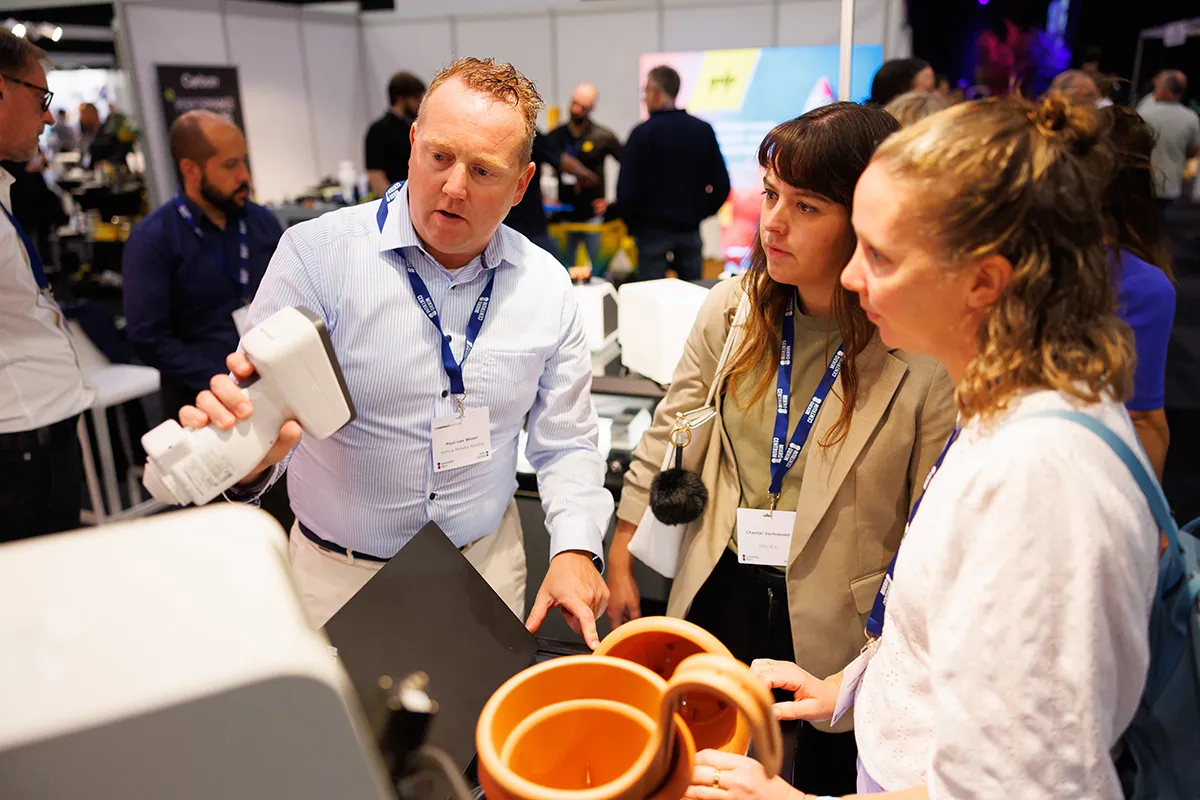
The Kunststoffenbeurs: a catalyst for the development of the sector
Companies in the plastics and rubber sector play a key role in enabling innovative, sustainable and smart applications. From machine components and packaging to finished consumer products, the possibilities with plastics are endless. Thanks to the versatility of colour, shape, weight and material combinations, the technology continues to evolve. But this progress also brings a growing need for solutions that contribute to a future-proof industry.
For 25 years, the Kunststoffenbeurs has been the leading trade fair for discovering opportunities in innovative, smart and sustainable product development and manufacturing processes. The sector is moving towards renewable raw materials, smart recycling and circular design, while automation and digitalisation are driving greater efficiency and control in production environments. At the same time, new technologies are being developed to enable faster, more flexible production with less impact. Curious to find out how the industry is responding to today’s and tomorrow’s challenges? And who you can work with to take the next step? Find out at the 26th edition of the Kunststoffenbeurs on 17 and 18 September.
Automation as a driver of sustainability
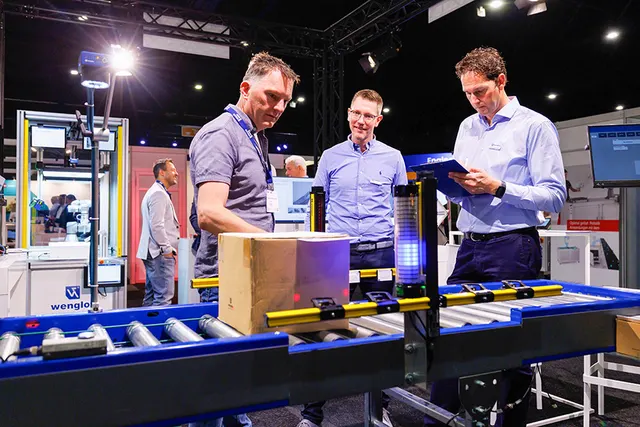
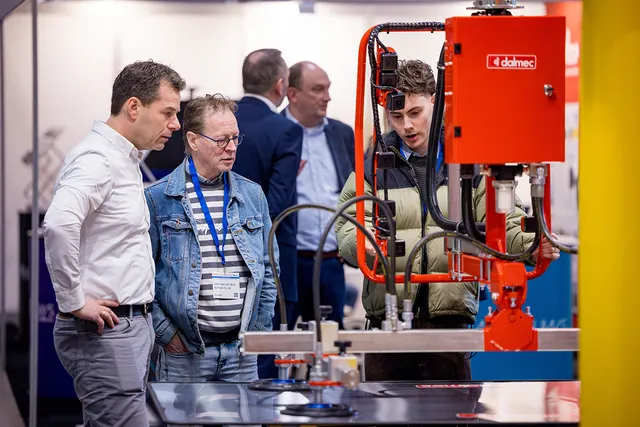
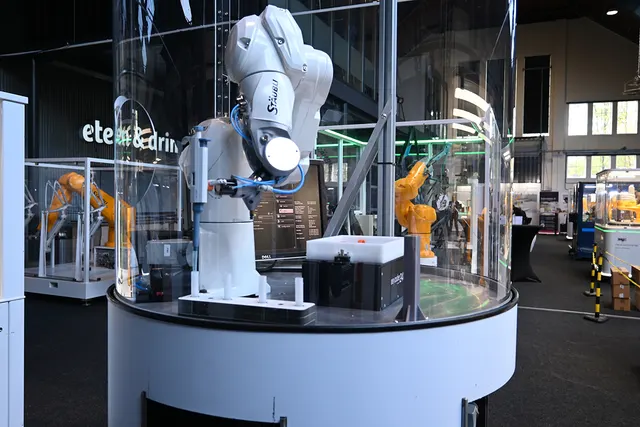
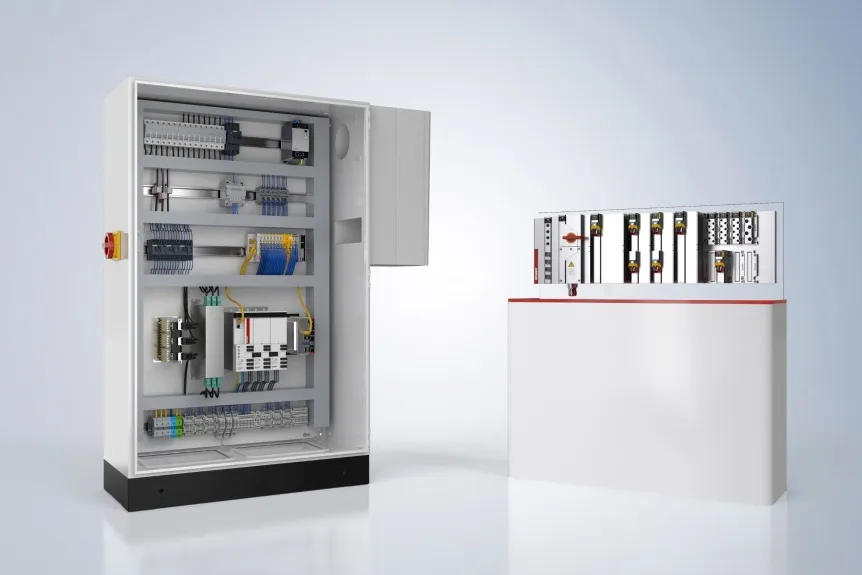
In production facilities, the work of everyone from operators to engineers is changing. Robots, cobots and vision technology are increasingly being used to take over repetitive tasks, improve quality control and reduce waste. Automation is particularly valuable for companies working with recycled materials. The variability of these raw materials calls for accurate sorting, smart moulds and real-time quality monitoring.
Integration with MES systems and data analysis enables manufacturers to optimise cycle times, reduce energy consumption and predict faults. For SMEs, this shift to automation not only offers scalability, but also a way to remain competitive in a market with increasingly stringent sustainability and product quality requirements.
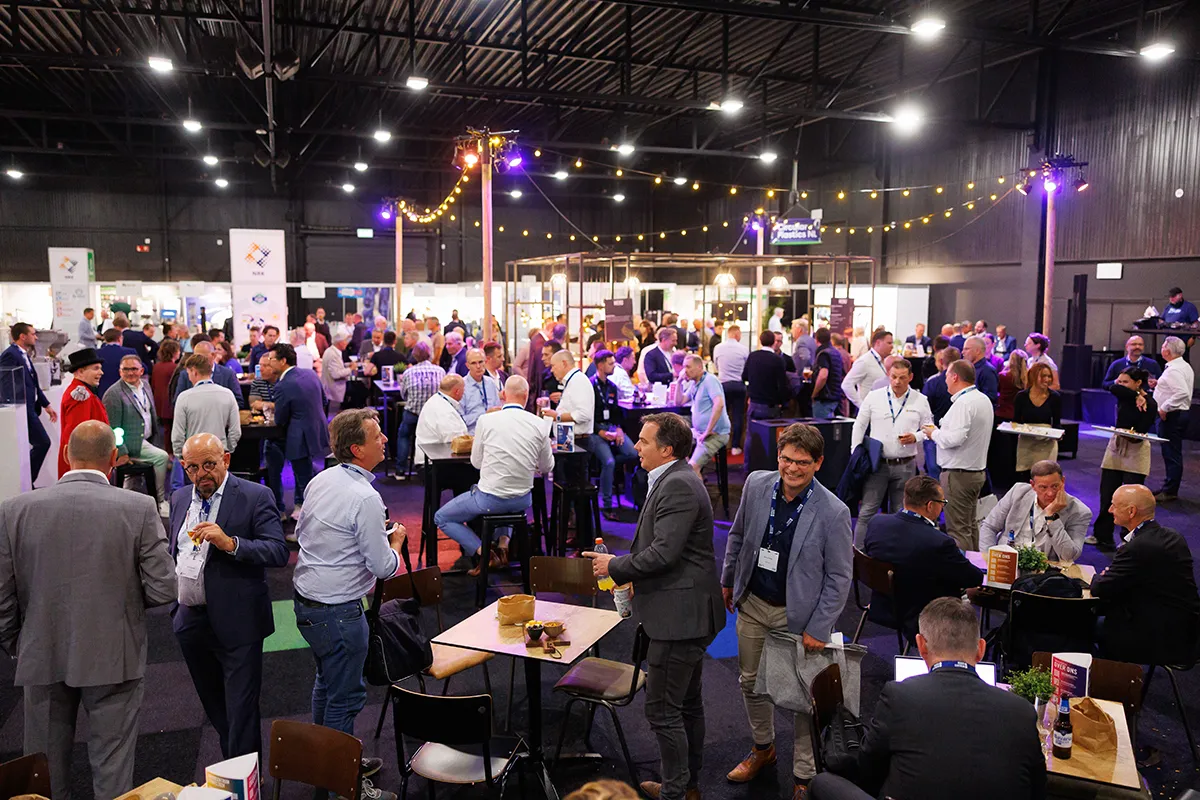
Resinex: between producer and processor
One exhibitor experiencing this transition at first hand is Resinex. The company distributes plastics and rubber to a wide range of sectors, from medical applications to construction and infrastructure. “We are the link between producers and processors in a range of markets, such as medical & healthcare and building & construction,” says Eric van Beijsterveldt of Resinex. “We are seeing sustainability and circularity become established priorities.” Recycling post-consumer plastics, products that have already been used by consumers, is a particularly current focus. “It is a more complex area than industrial waste streams. You have to deal with contamination, mixed materials and inconsistent quality. Think of plastic components from a phone or packaging with food residue. That makes it more challenging, but not impossible.”
Resinex works with processors and producers to find new applications for recycled material, with automation and advanced sorting processes playing an essential role. “You need technology that can distinguish between materials and detect deviations before a product is rejected.”
Supply chain collaboration as a driver of innovation
Collaboration across the supply chain has taken the plastics and rubber industry’s capacity for innovation to a whole new level. “Companies have realised over the past 15 years that working together gets results faster. By collaborating, we can develop better solutions more quickly and bring them to market sooner,” says Martin van Dord, Innovation Coach at the Federatie Nederlandse Rubber- en Kunststoffenindustrie (NRK). In his view, innovation has helped companies significantly increase their knowledge and expertise. The Netherlands is ahead of other countries when it comes to collaboration. “They look on with admiration at how it works in the Netherlands.”
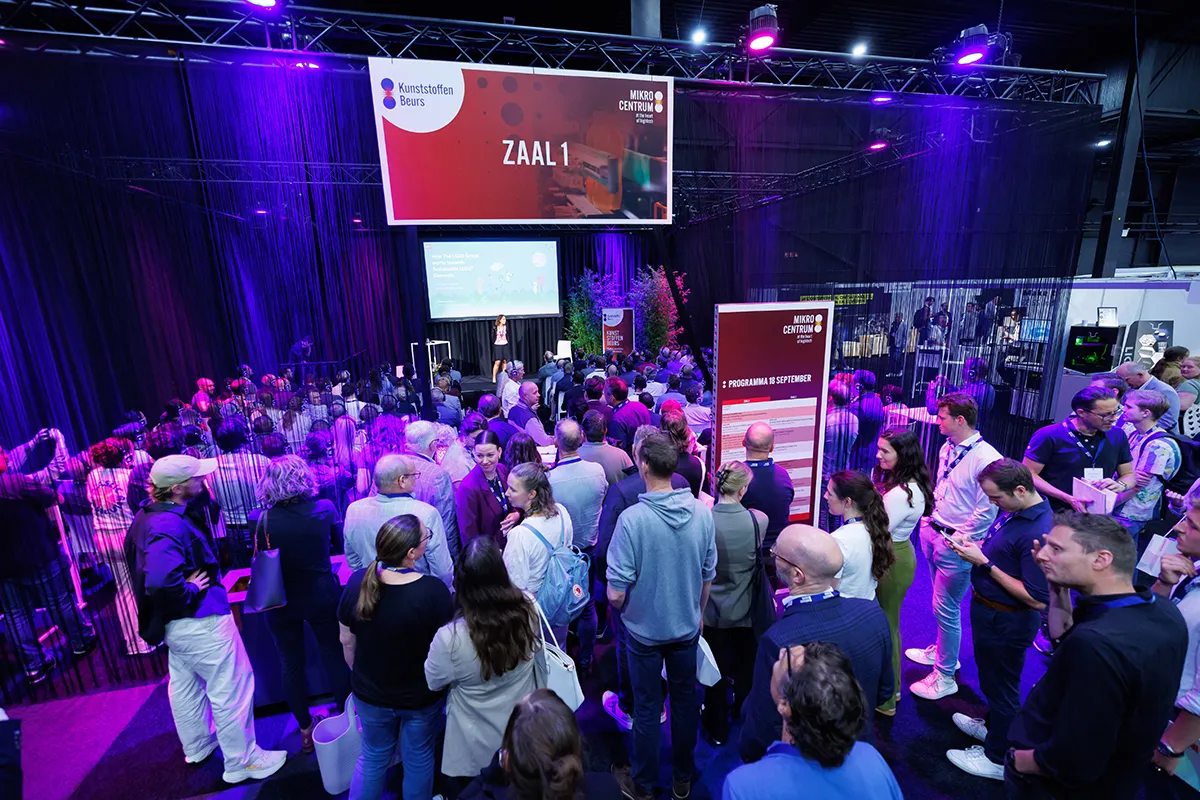
From ambition to action: circularity is the future
The sector’s biggest challenge is the shift to circular materials, Van Dord believes. And this is not just an aspiration, but also a firm requirement from policymakers. Circular, bio-based or recycled plastics currently account for 12 to 15% of the market. Under European legislation, this figure must rise to 50% by 2030 and to 100% in 25 years. “We have a lot of ground to make up,” Van Dord acknowledges. In his view, the capacity for mechanical recycling in the Netherlands is now sufficient. The real question is whether the market is ready to use these circular materials on a large scale. “It is a long process, so you have to persevere and keep innovating. Consumers and businesses alike will need to change their behaviour. It all comes down to collection, sorting, separation and recycling.”
The Kunststoffenbeurs as a meeting place
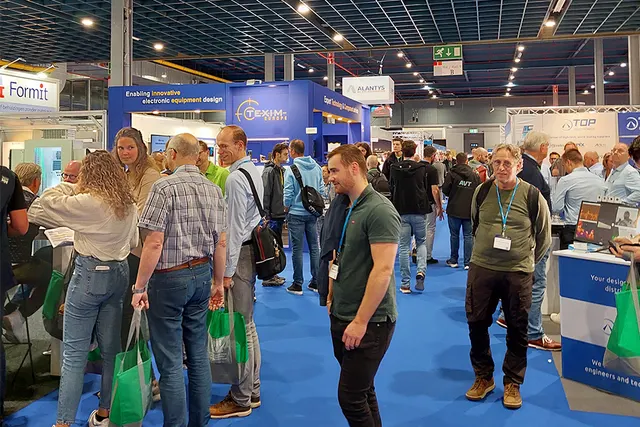
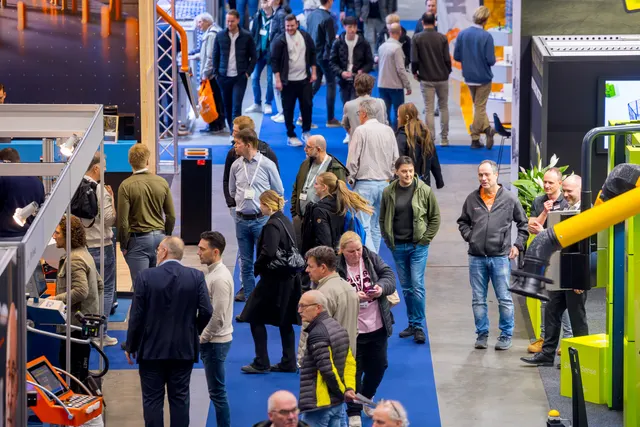
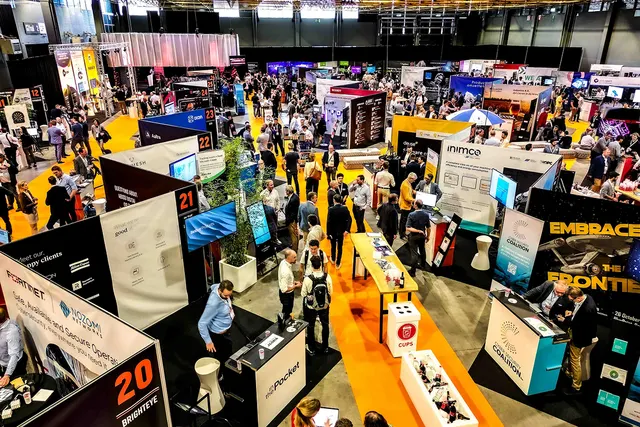
For Resinex and many other organisations, the Kunststoffenbeurs is not only a platform for showcasing innovations, but also a place to foster collaboration. Visitors can discover new materials and machinery, as well as learn about current topics such as legislation, lifecycle analysis and the role of automation in the circular economy. The lecture programme focuses on topics including smart manufacturing techniques, design for recycling and data-driven quality control.
The human factor
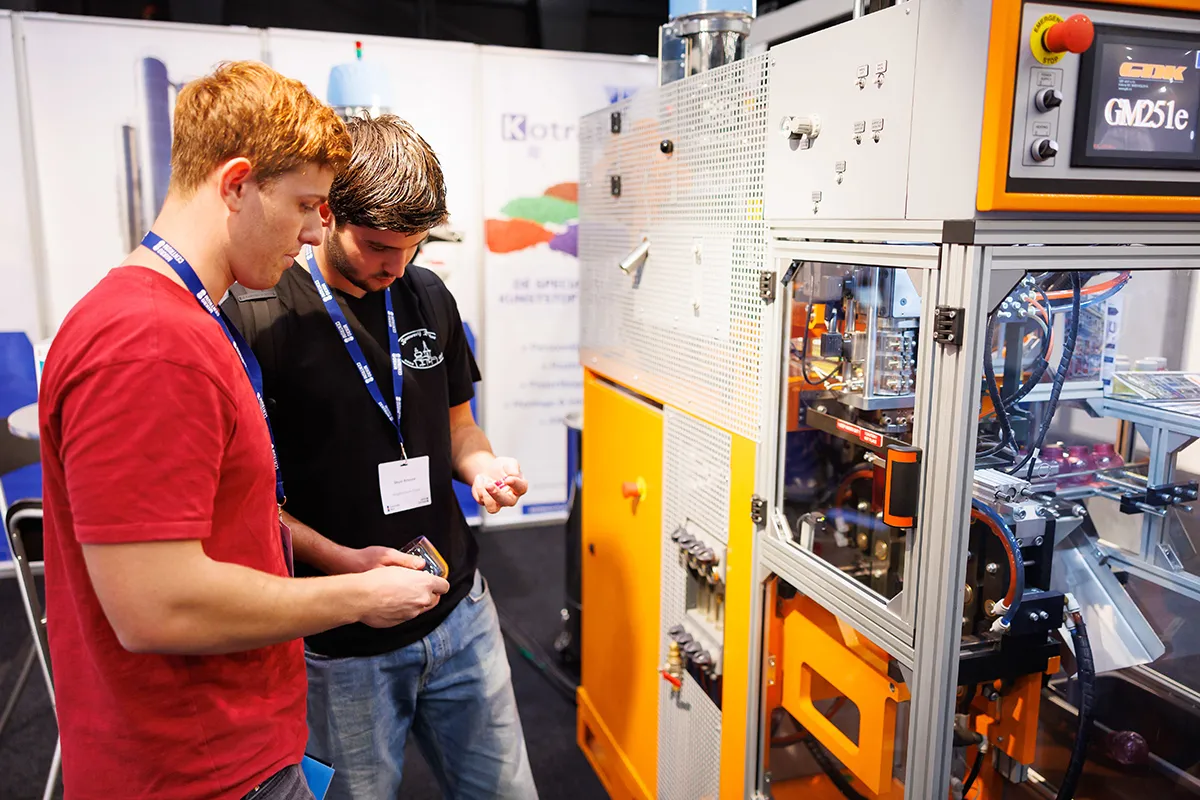
The use of technology is changing not only processes, but also people. Operators are becoming process supervisors, while technicians are developing into data specialists. Resinex sees this in its dealings with customers too. “You can see processors looking for new profiles, people who can bridge the gap between materials, processes and data,” says Van Beijsterveldt. The trade fair also plays a role here. Bringing technicians, suppliers, educators and policymakers together creates cross-pollination. The Kunststoffenbeurs is therefore more than a trade fair: it is a catalyst for the development of the sector.
Looking to the future
The plastics sector is at a turning point. By combining automation with sustainable raw materials and new forms of collaboration, the industry can become more agile, cleaner and more innovative. The Kunststoffenbeurs 2025 shows that this future is already taking shape. With companies such as Resinex at the forefront of this movement, one thing is clear: those who invest in knowledge, technology and partnerships now will make a difference in tomorrow’s plastics value chain.
Trade fair information
Free visitor registration: https://kunststoffenbeurs.nl/nl/aanmelden
Visitor information: https://kunststoffenbeurs.nl/nl/bezoekers
Trade fair floor plan: https://kunststoffenbeurs.nl/nl/plattegrond
A business enquiry for Mikrocentrum? Get in touch
Companies in this story
Keep following this
Get an email when a new story is published. No account needed.
- SubjectEvents
- CompanyMikrocentrum