












How OEMs are responding to the global chip shortage
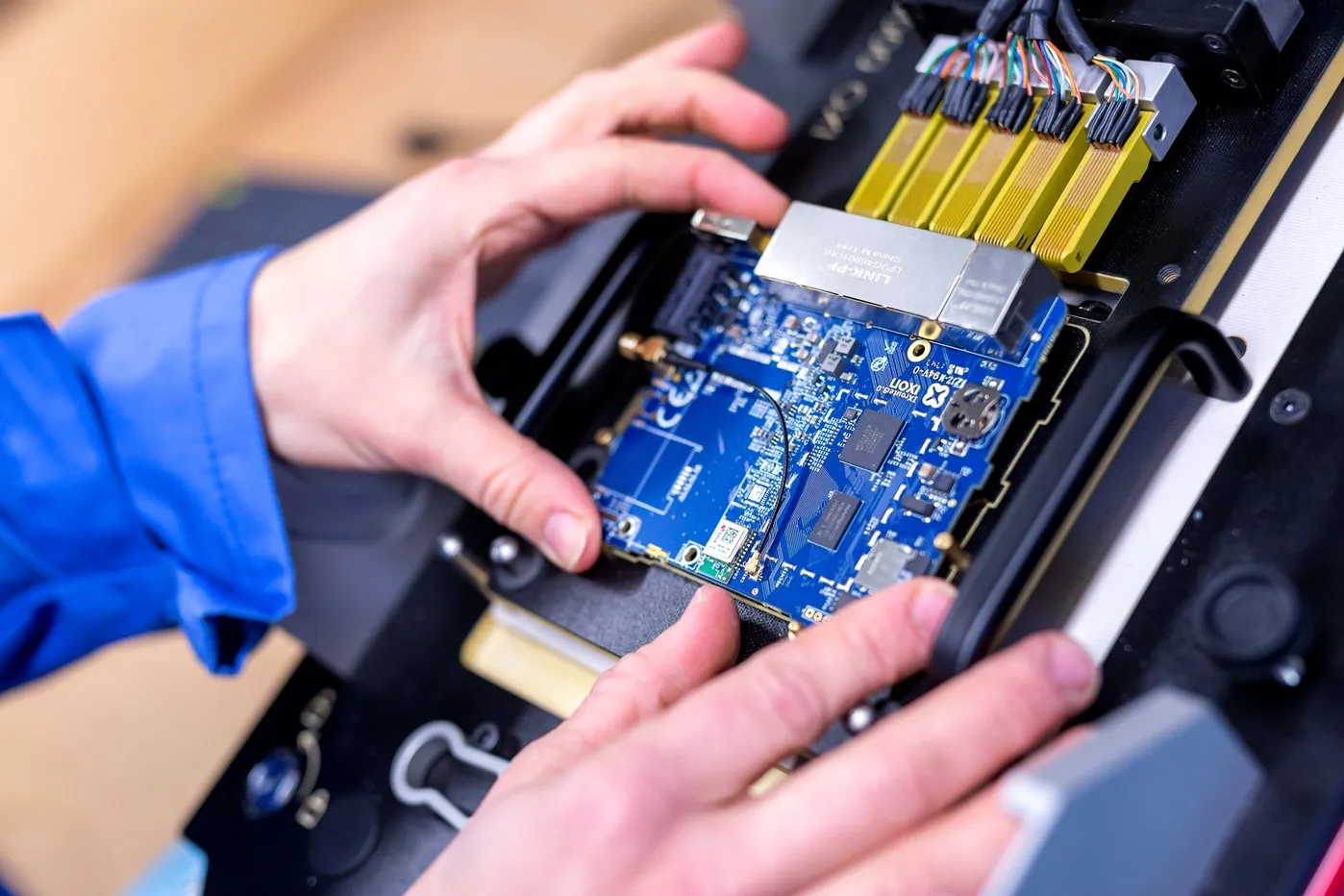
The global chip shortage has made us all aware of the importance of microchips and the impact a prolonged shortage can have. Machine builders are currently facing major problems, with machines held up by missing components. They cannot be delivered on time, leading to financial difficulties and affecting customers in various industries, including automotive, agriculture and packaging.
The chip crisis will continue into 2022
The pandemic has accelerated an already critical situation for chip manufacturers. According to a survey by the German research institute Ifo, 89% of machine builders are affected by the chip shortage. Some are facing serious financial difficulties or have even been forced to temporarily close factories. The problem is that the shortage of chips, also known as semiconductors, is expected to continue well into 2022…
How machine builders can deal with the chip shortage
In the machine-building industry, we see three ways in which machine builders are dealing with this chip crisis. Some companies set up crisis teams early in the shortage to map out their approach and review their supply strategies, increasing their product inventory to create a buffer. Other companies are tackling the shortage by redesigning their products to require fewer chips.
Behind the scenes: Read how IXON is dealing with the chip shortage.
Some machine builders are shifting their strategy from a machine-per-sale business model to a service business model. Whereas most revenue used to come from machine sales, it has become increasingly common to generate most revenue from service models. They have expanded the way they provide service by equipping their existing operational machines with new digital services, such as wear-part monitoring and consumables as a service.
Tip! Generate revenue from your existing and new fleet
We see that machine builders implementing service models are less affected by the component crisis, including financially. Service models provide a reliable source of income and a solution to potential cash flow problems. You are no longer dependent on machine deliveries because you generate recurring revenue from your existing fleet.
We understand that getting started with implementing service models is a real challenge, particularly during the chip crisis. However, you can start small and still achieve a fast ROI through a quick time to market. If you would like to brainstorm with one of our experts, we are always available and happy to discuss how you can launch these service models to generate additional revenue.
Contact us or get some inspiration from our e-book: “Service opportunities for OEMs that boost revenue and meet customer demands”, which provides a detailed explanation of service models through use cases and business cases.
Question about this story? Ask your question
Companies in this story

Keep following this
Get an email when a new story is published. No account needed.
- SubjectNews
- CompanyIXON B.V.







