












Improving communication with and between machines
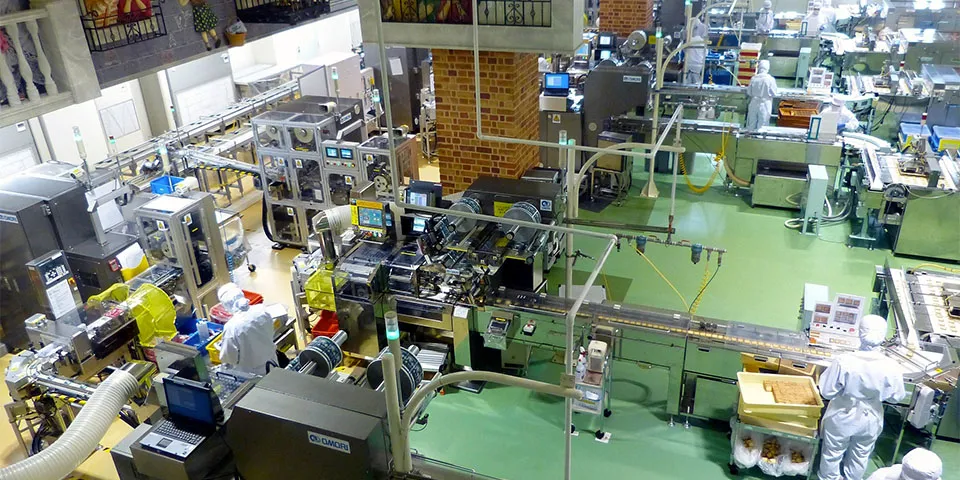
In an ideal world, the machine you buy from any machine builder anywhere in the world is perfectly suited to the task you want it to perform. It also fits seamlessly into your production line and flow, with the highest possible efficiency. In practice, achieving this is not so straightforward. The lack of standards in machine development means there are many differences between manufacturers. The various communication standards and protocols further increase the complexity of integration. The OMAC PackML standard can overcome many of these challenges.

Pack ML (or Packaging Machine Language) is a programming standard defined by OMAC (Organisation for Machine Automation and Control).
Pack ML (or Packaging Machine Language) is a programming standard defined by OMAC (Organisation for Machine Automation and Control). This standard is also known as ISA Technical Report TR88.00.02 and defines machine states, modes and conventions for tagging. Its scope, however, extends beyond packaging machines. TR88 works just as well for any machine or production line. The aim is to achieve a common ‘look and feel’ and operational consistency. Operators feel at home with the controls when they see the same PACK ML machine interface across different machines. Production start-up follows a set structure that every operator can work with, even if the machine is completely new to them. The same applies when a fault occurs on the line. Operators know to focus on machines in the ‘HELD’ state (an internal fault has occurred), while machines that have stopped safely enter the ‘SUSPENDED’ state (an external fault has occurred). In other words, PACK ML defines a common machine language that enables machines, operators and higher-level IT systems to communicate clearly with one another.
Benefits for end users
Businesses need to be run in a financially sustainable way. Two key parameters are reducing the TCO of new and existing installations, and improving competitiveness by increasing OEE and making better use of assets. PACK ML is a valuable tool for helping to achieve these ambitions. Rather than favouring a particular automation brand and trying to fit it into production, end users can focus purely on innovation and order the best possible machine for a specific task. There are also maintenance benefits, since all technicians are familiar with the machine functions and machine code. End users will need to spend less time training their operators and maintenance staff, and will recover from downtime more quickly, which in turn leads to improved OEE. Pack ML also ensures that machines can be smoothly integrated into new or existing line configurations. This speeds up delivery, leads to better asset utilisation and shortens time to market.
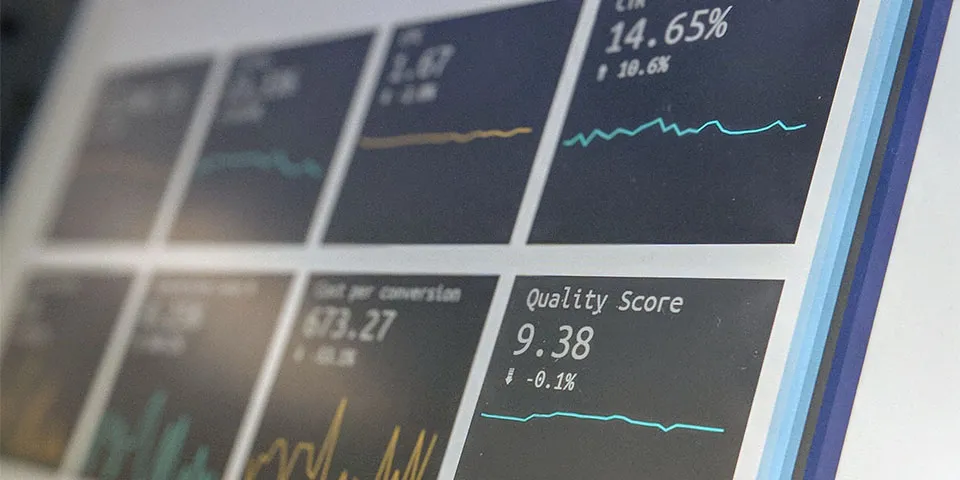
The aim is to achieve a common ‘look and feel’ and operational consistency. Operators feel at home with the controls when they see the same PACK ML machine interface across different machines.
Benefits for machine builders
A number of machine builders are already implementing Pack ML. They build a wide variety of packaging machines, and each takes its own approach to implementing Pack ML. But the results of implementing a modular, consistent standard across production lines have always been the same: significant savings in time and costs, and greater consistency across their own products, benefiting both the builders and their customers.
Conclusion
By making Pack ML the standard for machine interfaces and using OMAC principles to modularise machine code, machine builders can focus on innovation and their machines’ capabilities. They no longer need to redevelop machines every time automation systems change. A modular approach lays the foundations for reusable mechatronic subunits and gives the time to market for new machines a significant boost. All interfaces and machine functions are tested in advance and ready for reuse, without the headaches. This ensures straightforward installation and commissioning of machines at the customer’s site.
Question about this story? Ask your question
Keep following this
Get an email when a new story is published. No account needed.
- SubjectNews







