












Revolutionary technologies set to drastically cut CO2 emissions from the cement and lime industry
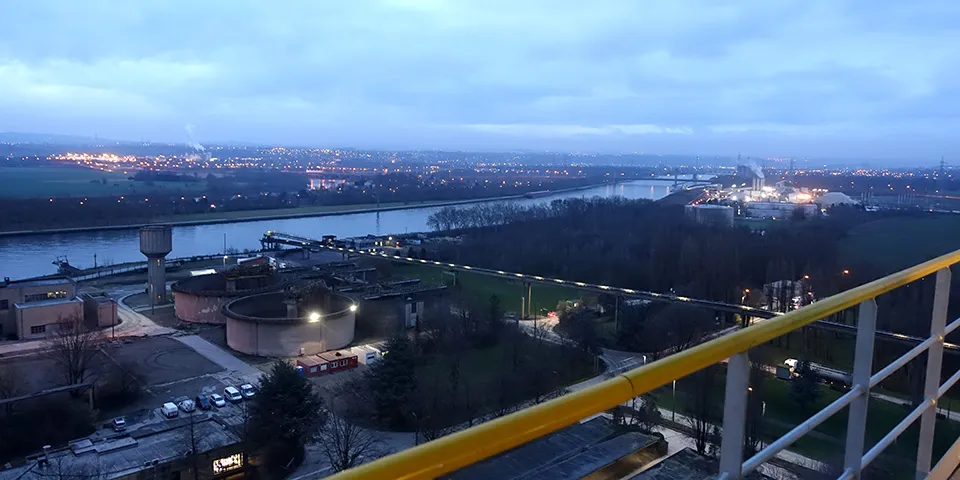
The cement and lime industry makes a significant contribution to the economy. In Europe alone, it provides direct employment for almost 400,000 people. However, this sector is also a major industrial polluter, with high CO2 emissions. Through its project at the CBR plant in Lixhe, the LEILAC consortium aims to demonstrate revolutionary technologies that will enable the industry to drastically cut its CO2 emissions and strengthen its international competitiveness.
The cement and lime industry is already making considerable efforts to reduce its CO2 emissions. Now, with a project based on revolutionary technologies, the LEILAC consortium (Low Emissions Intensity Lime and Cement) aims to reduce those emissions by 95%. The CBR plant in Lixhe was selected as the site for this demonstration project, which began in 2016 and was scheduled to run for five years. Designing and building the installation will take three years, followed by tests through to the end of 2020, with a daily capacity of 240 tonnes of cement made from ground limestone.
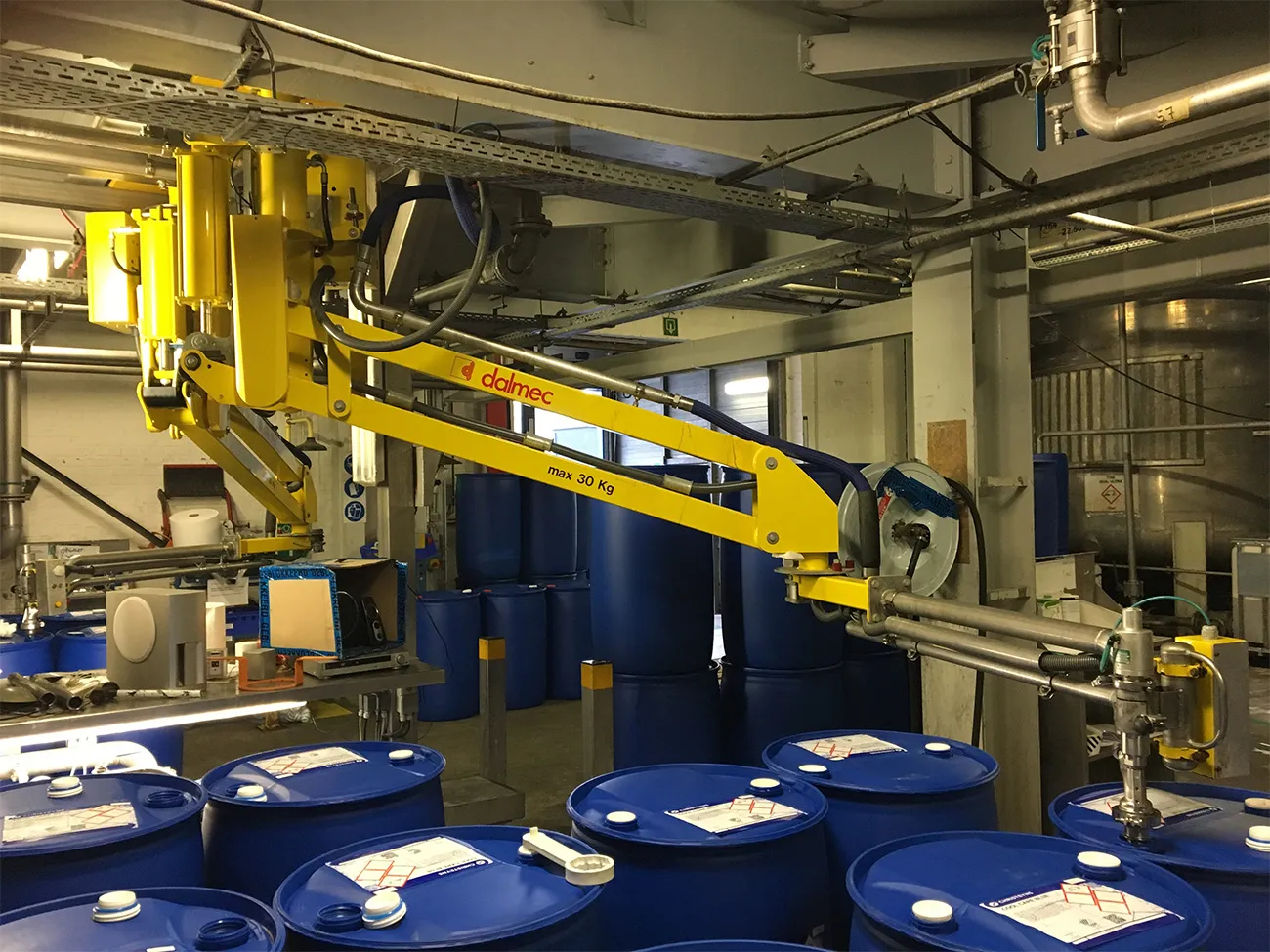
Thanks to a large number of customised thermocouple sensors, the user can control the DSR precisely and collect the data needed to further optimise the process. In addition to these sensors, JUMO also supplied mTron T transmitter boxes.
JUMO thermocouples and transmitters
The pilot installation at CBR consists of a DSR (Direct Separation Reactor), housed in a tower almost 60 m high. The reactor is heated by a number of burners, which provide the energy needed to process the cement raw meal. “Thanks to a large number of customised thermocouple sensors from JUMO, the user can control the DSR precisely and collect the data needed to further optimise the process,” says Marc Thielmanns, Sales & Product Manager Temperature Probes at the specialist in industrial sensor and automation technology, headquartered in Eupen. “The data is collected by JUMO mTron T transmitter boxes, which are connected to a central database via the local network. As with all the other elements of this LEILAC project, these modules also differ from standard solutions, including in terms of density, length and expansion. We are very proud to be involved in this project.”
Question about this story? Ask your question
Keep following this
Get an email when a new story is published. No account needed.
- SubjectNews







