












Sensor integration as the key to Food Industry 4.0

Flanders’ food sector is strongly export-oriented. Accelerating the digitalisation and innovation of production is essential to maintaining or even strengthening its competitive position at home and abroad, and responding more effectively to changing market demand. This also calls for a rethink of quality control. Innovative sensor technologies will make the difference. Flanders’ FOOD and Sirris have therefore launched the SensInFood project. They see sensor integration as the key to Food Industry 4.0.
Exports are driving revenue growth in the food industry. Food companies face a range of challenges: increasingly stringent quality requirements, a wider product range and the need for greater flexibility, constant pressure on costs and delivery times, high labour costs, and difficulties finding and retaining specialist staff. Product quality is therefore crucial. Flanders-based food companies need to rethink how they currently monitor process and product quality throughout the production system. Integrating innovative sensor technologies throughout the production system, together with technological developments in the Industry 4.0 context, offers significant potential for in-line process control, quality control of ingredients and products, and production optimisation.
Challenges
Integrating high-tech sensors into a food production line is no simple task. Food companies cannot easily make an informed assessment of the technological and economic feasibility of integrating sensors into production systems for specific applications. Sensor systems in the food industry must meet stringent requirements. They must be robust and withstand extreme conditions, measure at high speeds and comply with all legal requirements, including those covering material selection and contact with food. The cost of integrating sensors into machinery is also important, as is estimating the potential impact and returns from applications that use the resulting sensor data.
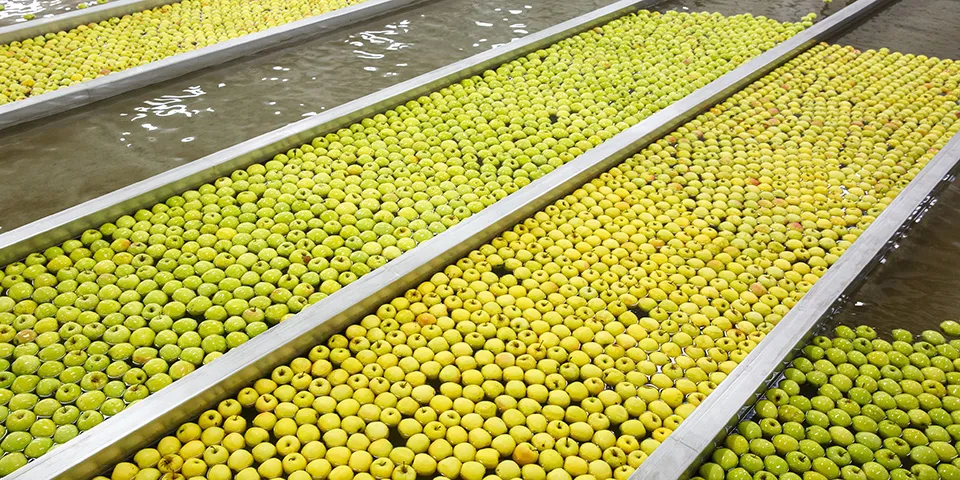
SensInFood analyses the challenges of integration through industrial use cases, and develops and validates practical guidelines and methods for sensor integration. (Image: zlikovec)
Objectives and approach
The SensInFood project aims to help bridge the integration gap by providing stakeholders across the value chain with practical guidelines and methods validated through industrial use cases. By involving end users and suppliers in the project’s user group and working with them to analyse integration challenges, Flanders’ FOOD and Sirris aim to deliver project results that closely match the needs of food companies. This will enable Flanders’ food industry and its technology suppliers to make full use of the potential of existing and innovative technologies. The SensInFood project, ‘Sensor integration as the key to Food Industry 4.0’, is aimed at food companies and suppliers of production technology offering smart automation and digitalisation solutions to food companies, including integrators, machine builders, sensor developers and technology providers. The project takes a pragmatic, use-case-driven approach.
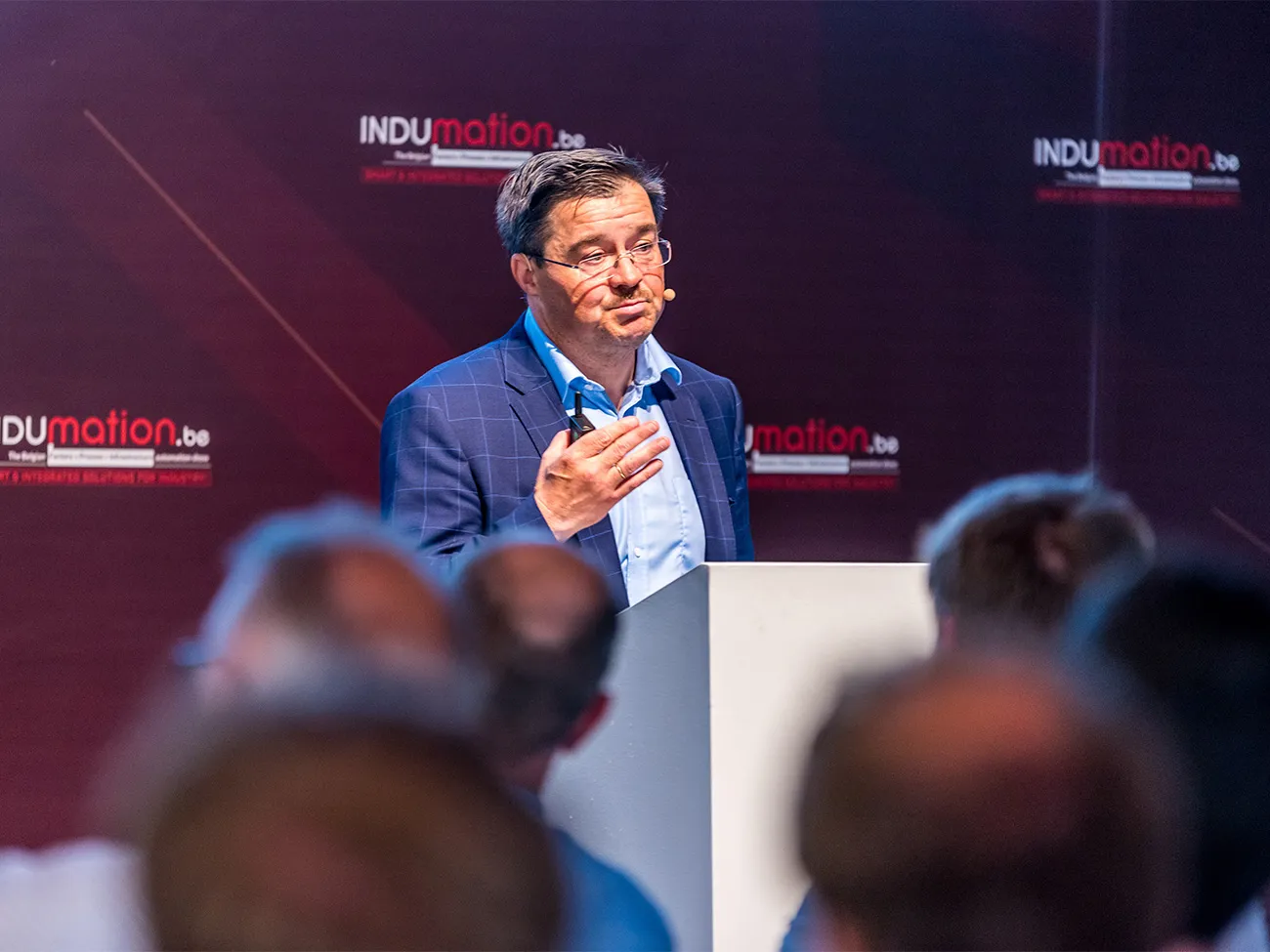
Sensor systems in the food industry must meet stringent requirements. They must be robust and withstand extreme conditions, measure at high speeds and comply with all legal requirements (Image: vladimir_n)
Specific objectives:
- Understand the different requirements for a sensor system used for food product inspection. This will help both food companies and their production technology suppliers better assess the challenges and risks.
- Assess the techno-economic feasibility and ROI of sensor integration at an early stage. Technological feasibility covers both mechanical integration aspects, such as inspection/product presentation, product-specific measurement configurations and physical sensor integration, and ICT integration aspects, such as the hardware platform, software and Industry 4.0 connectivity.
- Practical guidelines and best practices validated against real industrial use cases.
- Working closely with food companies and technology integrators in the user group, SensInFood analyses integration challenges through industrial use cases and develops and validates practical guidelines and methods for sensor integration, including the assessment of ROI and the feasibility of mechanical and ICT integration of sensors.
Question about this story? Ask your question
Keep following this
Get an email when a new story is published. No account needed.
- ThemeSmarter measurement and inspection
- SubjectNews







