












Smart solutions to move industry forward
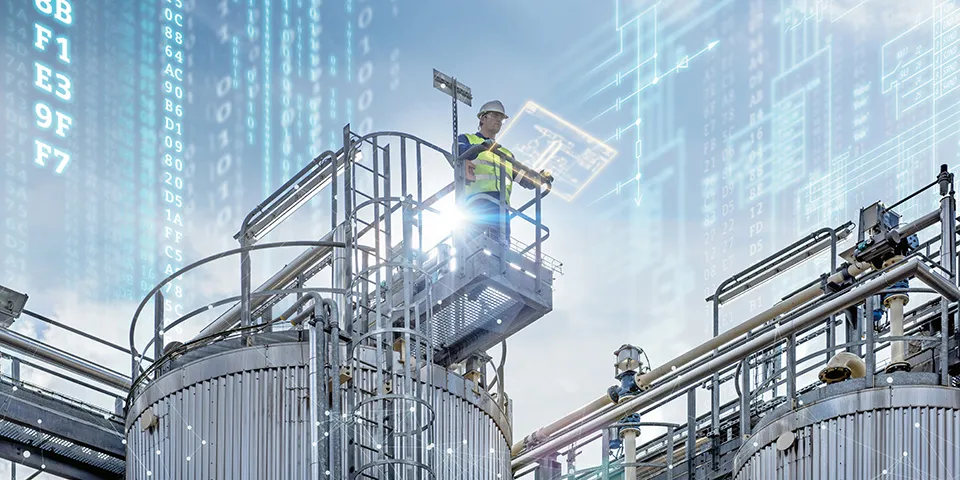
The course for the future of automation in the manufacturing and process industries has been charted. ‘Digital Enterprise, Thinking industry further’ will be at the heart of the message Siemens wants to convey from its 4,000 m² stand in Hall 9 at Hannover Messe. This year, the Digital Enterprise will feature a host of new developments designed to facilitate the digital transformation of industry and turn the exponential growth in industrial data into added value. These range from the use of artificial intelligence and edge computing to energy solutions for digital factories. Siemens provides the right hardware and software for every step in the value chain.
‘Digital Enterprise: Implement now!’ was Siemens’ slogan at Hannover Messe 2018. A year later, a great deal has changed. What were broadly still concepts and beta projects last year have now become real tools that have already proved their worth in practice, making machines faster, more energy-efficient, more flexible and more reliable. “Digitalisation is undoubtedly the next step in automation, one that will bring the virtual and real worlds together. That is why Siemens has invested 10 billion euros since 2007 (UGS, Innotec, Bentley, Mentor Graphics, Mendix …) to build a software portfolio that can demonstrate its value at every stage of the production process. Today, we can rightly call ourselves the world’s largest supplier of industrial software,” says Jan Mrosik, CEO of the Digital Factory Division at Siemens.
A holistic approach to unlocking the innovative power of digitalisation
Siemens’ aim with these acquisitions was to integrate and digitalise the entire value chain. For both the manufacturing and process industries, it offers digital solutions for product design, production planning, engineering and commissioning, operations and services. “These are end-to-end solutions for every industry and every company, whatever its size. There are many ways to get started with digitalisation, in both existing and new factories,” says Mrosik. Siemens aims to ensure as much standardisation and openness as possible in its interfaces. “The strength of convergence between the virtual and real worlds lies in the certainty that what you have designed will work as intended. It speeds up the development of new products and the set-up of new production lines. And by continually checking data from actual production against the virtual world, you gain the insights needed to keep improving the product, production and associated services. With a holistic approach, we want to unleash the innovative power of digitalisation in the world.”
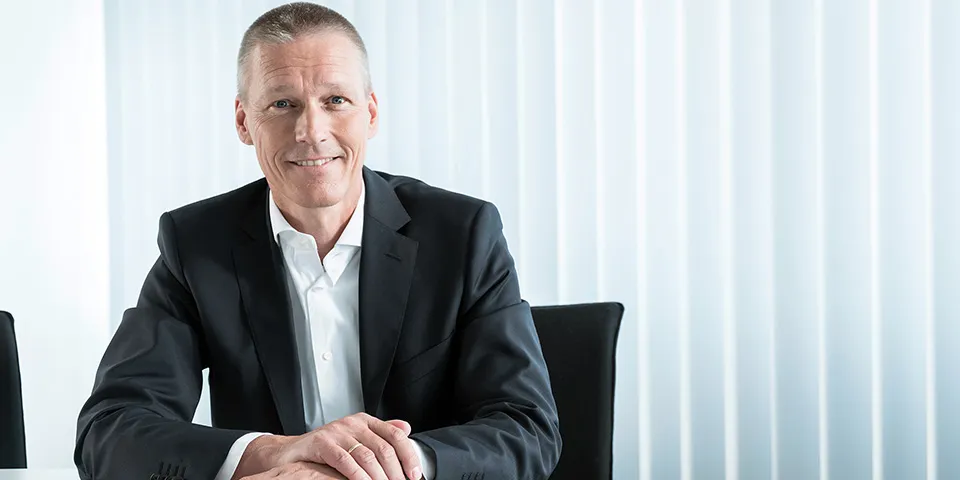
Jan Mrosik: “The strength of convergence between the virtual and real worlds lies in the certainty that what you have designed will work as intended. It speeds up the development of new products and the set-up of new production lines.”
Turning data into knowledge
However, this is not simply a solution you can find on shop shelves. Siemens therefore also wants to take on the role of digitalisation consultant. “We want to help our customers chart the right course.
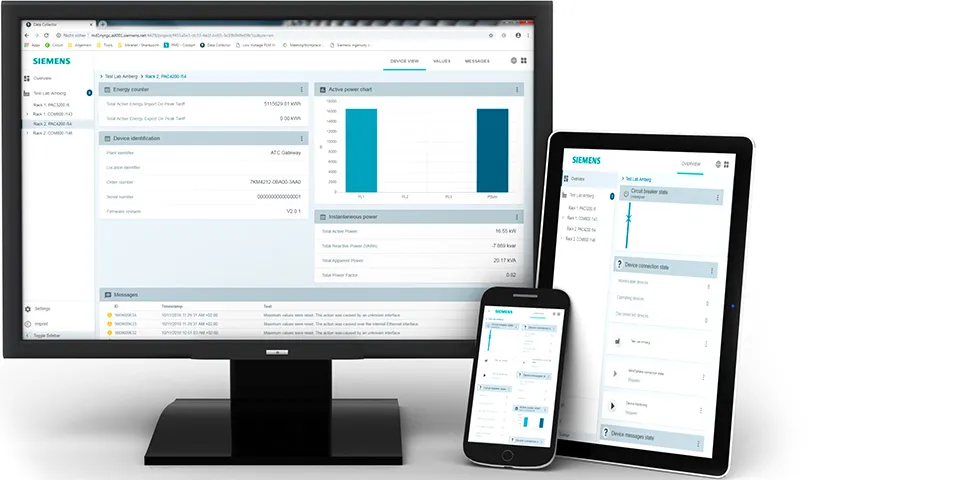
Digitalisation is undoubtedly the next step in automation, one that will bring the virtual and real worlds together.
To make sure that their path to digital transformation is right for them and that they can make their digital factory of the future a reality.” An important tool in this is MindSphere, Siemens’ IoT operating system. MindSphere World now has more than ninety partners and also has a Belgian branch (MindSphere World Belgium). Mrosik says: “Think of it as an interface for building an open ecosystem and developing apps that boost productivity, speed, flexibility, quality and safety. It helps turn data into knowledge, while ensuring that customers always retain control of their data. They have complete freedom to select precisely the elements that best support their production processes.” But not everything can go to the cloud, as that would put too much strain on your company’s data network. That is why Siemens also offers everything needed for edge computing: a platform, apps and devices for processing critical data in real time alongside the production line. This makes it possible to capture every movement and create, as it were, a fingerprint of the system that can then be used for further analysis.
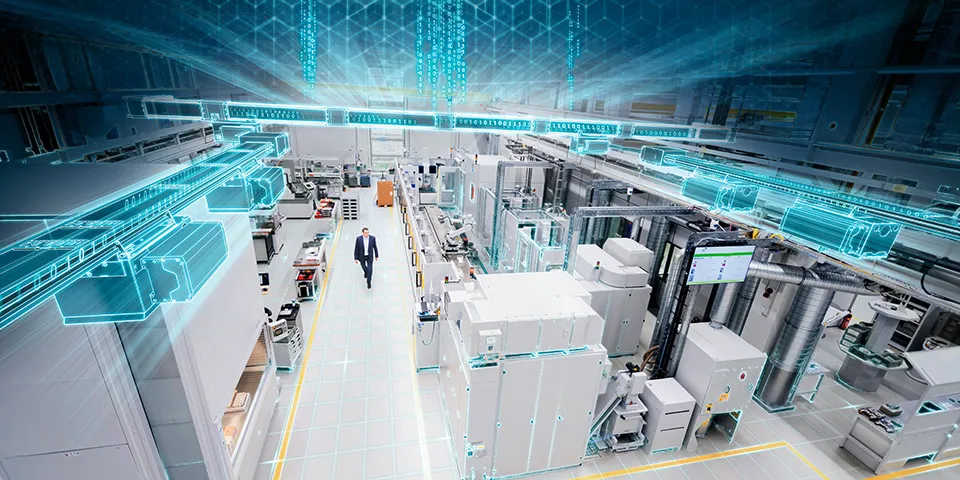
Siemens wants to help its customers chart the right course, making sure that their path to digital transformation is right for them and that they can make their digital factory of the future a reality.
Specific solutions for specific sectors
Siemens also offers digitalisation solutions for many industries that take account of the specific characteristics of each sector. The stand at Hannover Messe will feature some excellent real-world examples, grouped by industry: chemicals, food & beverage, automotive, pharmaceuticals, fibre, additive manufacturing, machine building and batteries. These will bring the abstract concepts of digitalisation to life. Siemens also wants to show the added value that introducing new technologies such as AGVs, blockchain and artificial intelligence can bring to your company. In other words, you will get a glimpse of the future of the manufacturing and process industries, both tomorrow and beyond. Siemens will also be showcasing a host of new hardware products. The new generation of high-end industrial PCs is sure to catch the eye. There is also an updated version of the combined transport system developed with Festo and Bosch Rexroth, along with many other new developments.
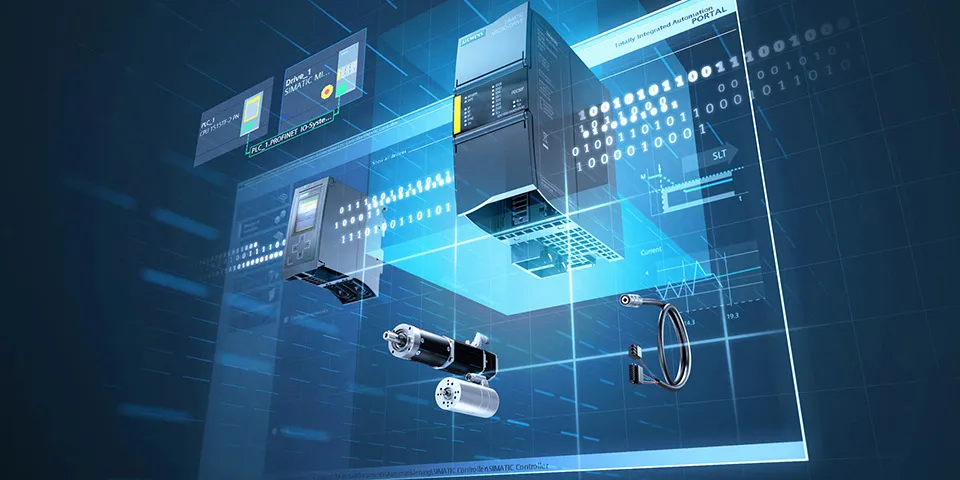
The Siemens stand will give you a glimpse of the future of the manufacturing and process industries, both tomorrow and beyond. Siemens will also be showcasing a host of new hardware products.
Additive Manufacturing Experience Center
Siemens’ factory in Erlangen now has an Additive Manufacturing Experience Center, whose floor space will soon be doubled. This says something about how quickly industry is warming to additive manufacturing (AM). Customers can visit Erlangen to find out whether their products could benefit from AM production techniques. A striking demonstration of technical expertise is also being prepared there for the forthcoming Hannover Messe. Visitors will see how every stage in the production of AM products (design, validation, printer preparation, printing and post-processing) can be completed using a central database, digital twins and Siemens’ industrial software products. Digitalisation is the driving force behind industrialising AM in the factories of the future and achieving first-time-right printing. Siemens is also launching an AM network platform, which will be demonstrated live. It brings supply and demand together efficiently.
Question about this story? Ask your question
Companies in this story
Keep following this
Get an email when a new story is published. No account needed.
- SubjectNews
- CompanyFesto
- CompanyBosch Rexroth







