












Towards lubrication excellence
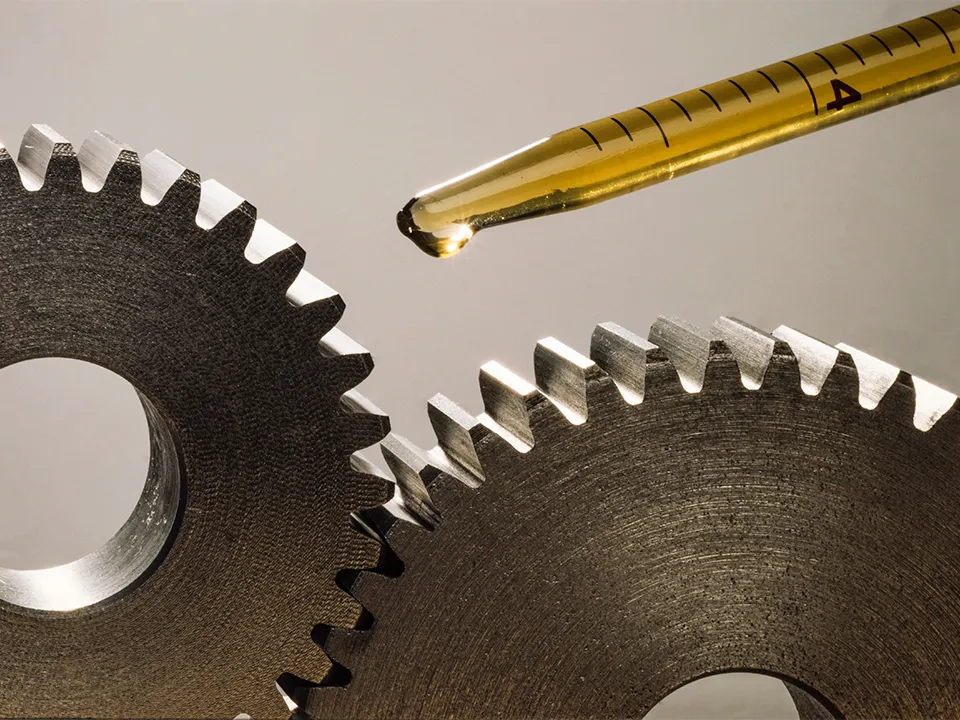
Did you know that more than half of maintenance managers feel lubrication is not running smoothly at their production site?
This shows just how difficult it is to get this aspect right for every machine on your production line. The key to a well-lubricated fleet of machinery is to keep making adjustments, because your assets age and conditions can change.
Text Valérie Couplez | Image iStock
Excellence should be the goal when lubricating machines. Without the right amount of lubricant, serious damage can occur. This damage costs money, but above all causes downtime, which you may be even less able to afford. That is why lubrication excellence should be the standard. But excellence does not mean perfection, being error-free or having no defects. That is also difficult to achieve in the reality of day-to-day work on the factory floor. These four simple steps can, however, help you put a top-level lubrication programme in place.
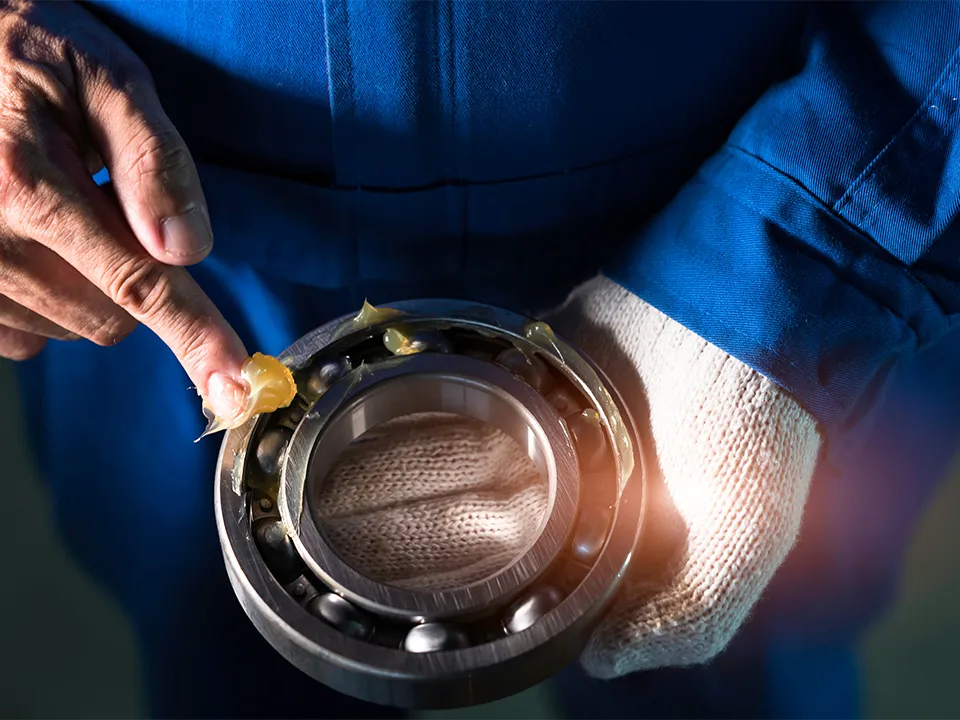
Every lubrication point at your production site needs to be evaluated: am I using the right lubricant, in the right quantity, at the right frequency, at the right point, with the right tools?
1. Evaluation
It all starts with a baseline assessment. How well is your lubrication programme performing today? It may be best to have an independent, impartial external party take a close look. Many companies would rather skip this step. No one likes being told how badly they are doing. But it is a necessary step if you are to track future changes to the lubrication programme and maintenance budget. An assessment will reveal several things: what you are doing well, where there is room for improvement, and how you can monitor the effectiveness of changes. It is the first step towards finding out what you did not know.
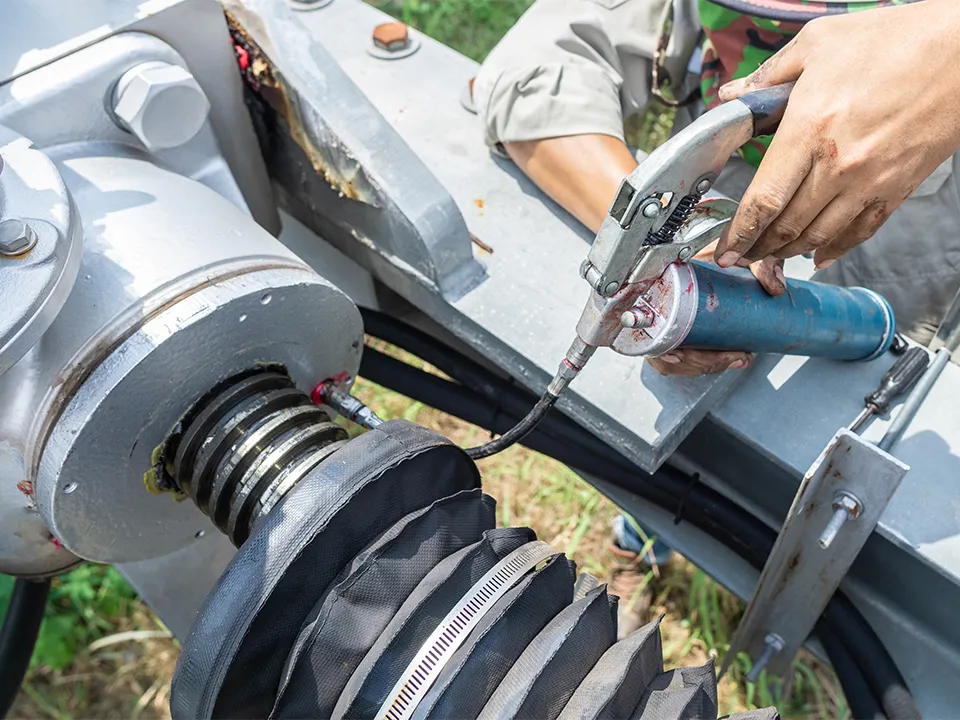
Remember that even the most modern gadgets alone will not be enough to achieve lubrication excellence. You need to train your team to use the tools.
2. Planning
Next, it is time to start planning how to move from where you are today to lubrication excellence. Plan thoroughly, because without good planning the entire investment will come to nothing. Take account of all the potential obstacles you may encounter. The more you can identify in advance, the easier they will be to deal with when the time comes. Planning also means comparing existing lubrication practices with recommended practices, point by point. Every lubrication point at your production site needs to be evaluated: am I using the right lubricant, in the right quantity, at the right frequency, at the right point, with the right tools? Lubrication is often approached on the basis that ‘more is better’, with every lubrication point in the factory receiving the same treatment. But there is no universal lubricant that can keep all machines running. The main factors to consider are the environment, operating conditions and application. Once you know which lubricants you need, you can determine the optimum number. Lubricant analysis, whether of grease or oil, will also be crucial to keeping them in perfect condition. Identify the critical points in your production process and analyse them regularly. Also document how they should be treated so that everyone on the team follows the same procedures.
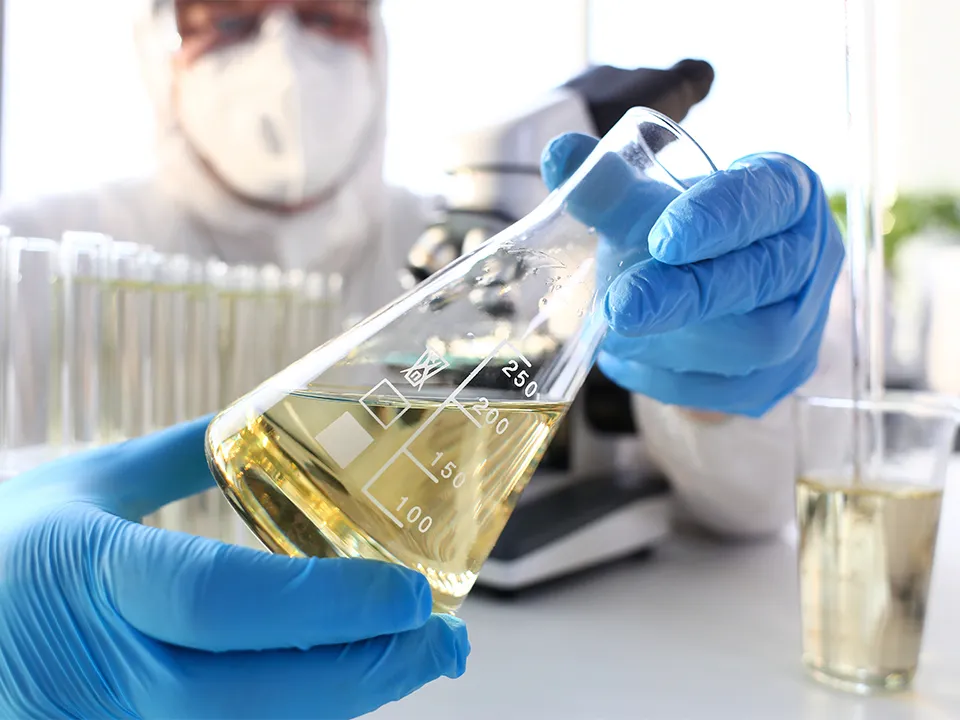
Lubricant analysis, whether of grease or oil, is also crucial to keeping lubricants in perfect condition.
3. Implementation
Now it is time to implement the plan. The easiest way to monitor lubrication is to use maintenance software. You can record all the lubrication points and procedures there. You may also need to invest in equipment, for example for analysing or dispensing lubricants. Remember to consider how you will inspect and maintain the equipment. Above all, however, remember that even the most modern gadgets alone will not be enough to achieve lubrication excellence. You need to train your team to use the tools.
This also means giving them a new mindset in which they understand the importance of good lubrication. If they are well trained, they will be able to identify problems long before a catastrophic shutdown occurs. Finally, implementation also means monitoring KPIs. For lubrication, these include lubricant cleanliness, mean time between failures and lubricant consumption …

Document how lubrication points should be treated so that everyone on the team follows the same procedures.
4. Re-evaluation
Once you have assessed where you stand, planned how to achieve excellence and put your plan into practice, you must also continually re-evaluate where you are on the spectrum. Have you achieved all your goals? Do you need to do more? Are there any additional issues to address or improvements to make? The point is to regularly reassess whether you are still achieving excellence. After all, the definition of excellence is constantly changing. New and better methods will always emerge for tackling particular problems. So keep abreast of new developments in the industry and actively look for ways to improve your lubrication programme. Finally, do not hesitate to ask external specialists for help. They can help you steer clear of certain pitfalls. Of course, you can reach this point without help, but it can be reassuring to have someone you can rely on during the journey towards excellence.
Question about this story? Ask your question
Keep following this
Get an email when a new story is published. No account needed.
- SubjectNews







