












Using compressed air efficiently
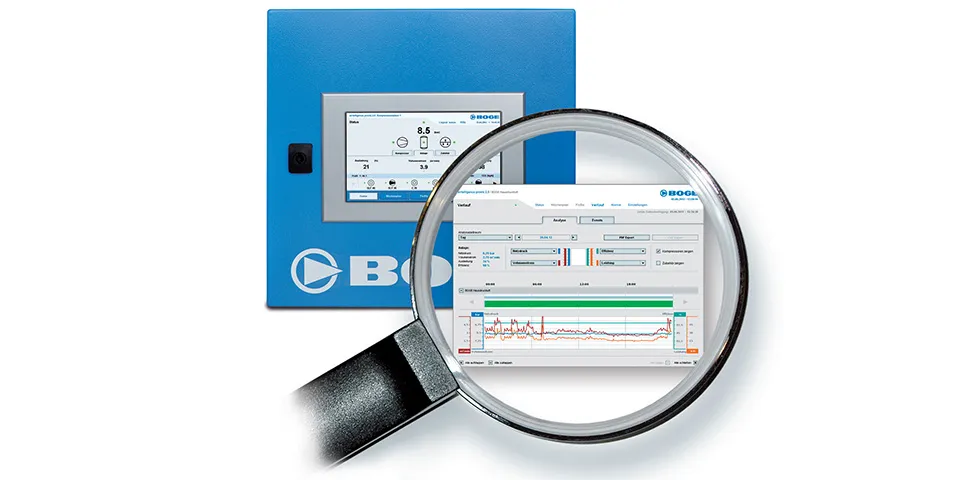
Compressed air is expensive, not least because a great deal of energy is lost as heat when air is compressed. This makes compressors inefficient, and in many businesses they take a significant bite out of the budget every month. The good news is that, with the right attention, substantial savings are possible. Apart from fixing compressed air leaks, the main opportunities lie in correct sizing and effective control. This article draws on insights gathered by KULeuven campus Groep T and hogeschool VIVES.
Over the lifetime of a compressed air system, energy consumption, rather than capital cost, will account for most of the cost. It represents 70 to 80% of the total. While this can put a strain on your budget, it also means there is considerable scope for savings. There are many ways to achieve this, but correctly sizing and controlling the compressor station is an excellent starting point. An oversized compressor will use more energy than necessary. Specific power is a useful measure for quantifying the efficiency of compressed air generation. It can be defined as the ratio of the power required, meaning the total electrical power needed to produce and treat compressed air, to the outlet standard flow rate.
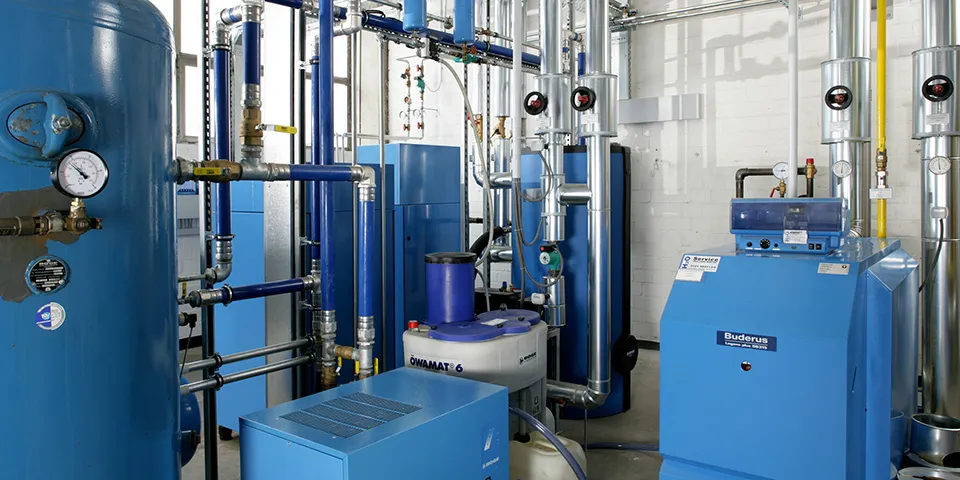
Both oversizing and undersizing lead to increased energy consumption. Correct sizing is the best possible starting point for energy-efficient operation.
Better sizing and control
A low specific power means a high outlet standard flow rate while the compressor uses little energy. The theoretical limit for specific power differs depending on whether the compressor operates perfectly isothermally, with the air temperature remaining constant during compression, or adiabatically, with perfect insulation. These theoretical limits provide the lower bound for a real compressor. Among other things, it can be deduced that specific power increases as outlet pressure rises. Setting a lower operating pressure will therefore save energy. A poorly sized compressor makes compressed air more expensive to produce. An undersized compressor will operate at part load. There are several ways to run a compressor at part load. Compressors keep the operating pressure in the compressed air network within certain limits. Below, we discuss three commonly used technologies for achieving this.
Start-stop technology
Start-stop control is used mainly with piston compressors. A piston compressor cannot run continuously at full load, as this could damage it. Once the operating pressure is reached, the compressor shuts down completely. It starts up again when a certain minimum pressure limit is exceeded. The main disadvantage of start-stop control is that the compressed air pressure fluctuates considerably, typically by 1 bar, because the compressor cannot be switched on and off quickly.
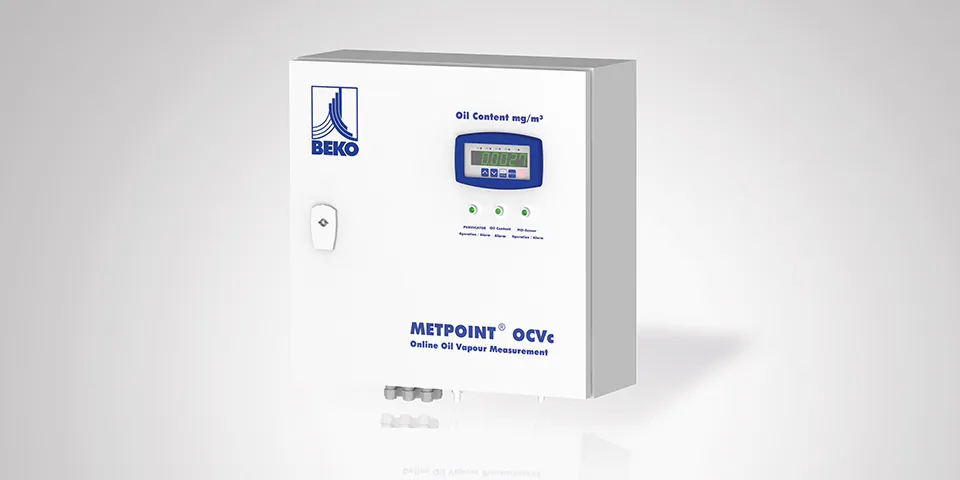
A monitoring system provides greater insight and helps identify where savings can be made in compressed air use.
Load-unload
Load-unload control is a second type of control, used mainly with screw compressors. The compressor element keeps running but is disconnected from the compressed air network. The advantage of this method is that the compressor can be switched back on immediately. Its main drawback is energy consumption: while unloaded, the compressor still uses 30 to 40% of its rated power. If the compressor spends a large proportion of its time unloaded, this will obviously have a detrimental effect on its specific power.
Variable-speed compressor
Compressors with variable speed drives (VSDs) are the most energy-efficient alternative. This type of compressor adjusts its speed. A VSD is typically most efficient between 50 and 70% of its maximum flow rate. When the compressor operates below 30% of its maximum speed, specific power rises rapidly. Oversizing a VSD can quickly make compressed air more expensive to produce.
Six tips for the most energy-efficient operation possible
- Switch off the compressor when possible
- Check regularly for leaks
- Isolate unused sections of the compressed air network
- Maintain and replace dirty filters in good time
- Make users aware of the cost of compressed air
- A monitoring system provides greater insight
Question about this story? Ask your question
Keep following this
Get an email when a new story is published. No account needed.
- SubjectNews







