












Versatile robot hands and cobots
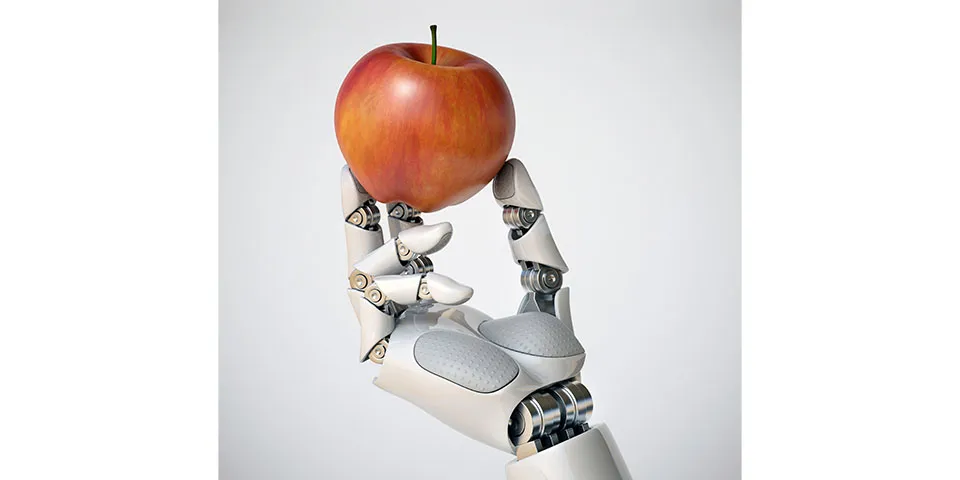
Nothing can grasp and manipulate objects more flexibly than a human hand. So it is no surprise that demand for humanoid manipulators is growing. And the greater the demand, the more economically viable this option will become. Their biggest advantage? The wide variety of grasping approaches they offer. The emotional aspect also plays a part, especially in functional and assistive robotics. After all, people feel more comfortable working alongside human hands.
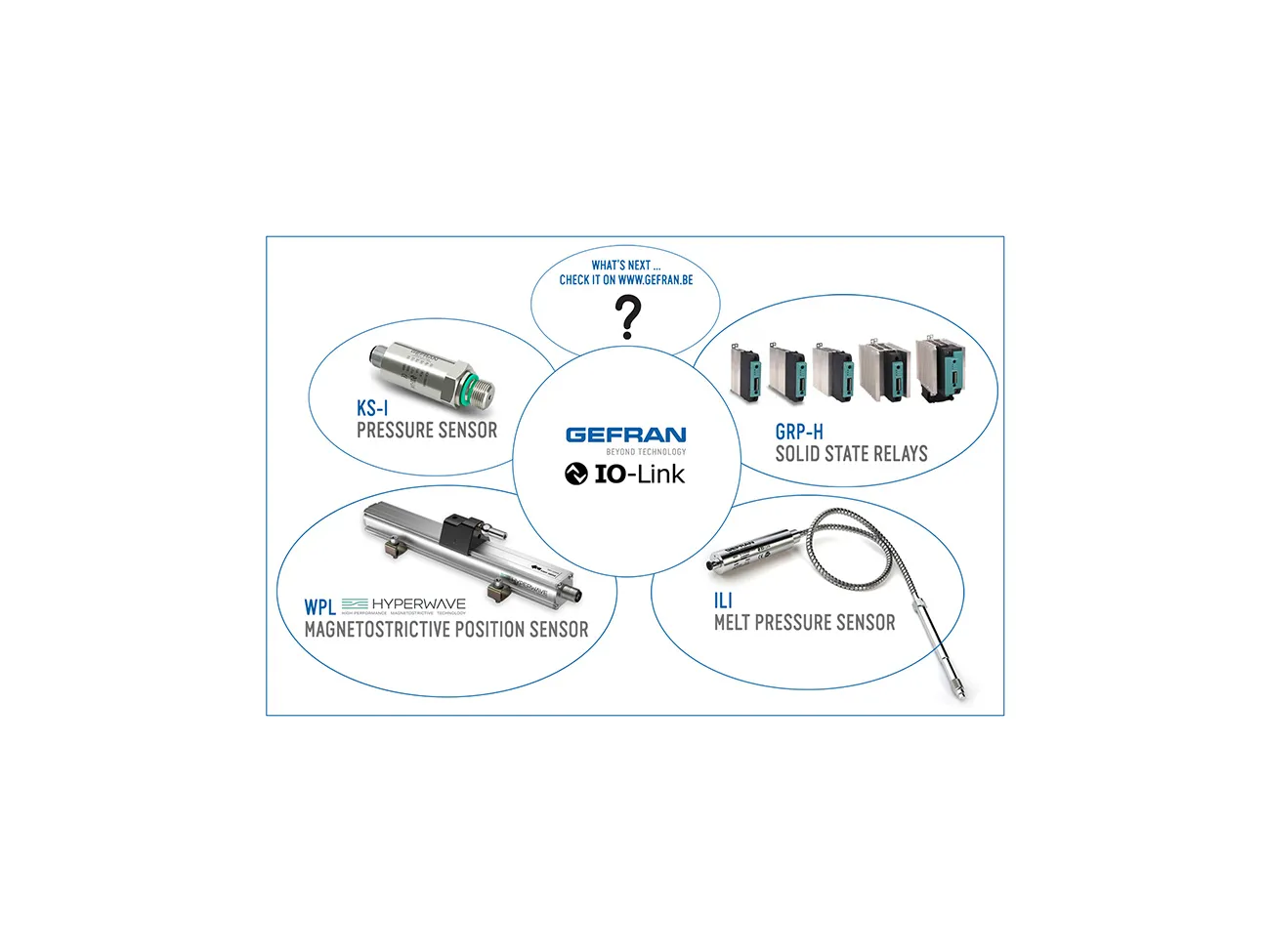
Smart gripper systems can identify the target object themselves using cameras and decide how best to grasp it.
In industry, grippers are traditionally assessed on their service life and performance, including under difficult conditions. By contrast, robot hands are more likely to stand out for the flexibility of the movements they can make. They are therefore particularly useful where there is a very wide variety of parts to be grasped or the grasping task is extremely complex. Do you frequently switch products in your production process? Do they sometimes need to be handled with kid gloves, while at other times considerable force is required? Then robot hands are certainly worth considering. They will also play a crucial role in the acceptance of robots on the shop floor. When a robot or cobot needs to work closely with people at an assembly station, humanoid robot hands are more welcome than conventional industrial grippers. After all, users associate them more with emotional aspects. A robot hand can also make all kinds of gestures to simplify visual communication between people and robots and increase acceptance.
Towards autonomous robot hands
The precise number of fingers required will depend on the application and the available budget. In any case, manufacturers have already done their homework, with models featuring five-fingered robot hands whose fingers can move independently or work together as a team. These designs draw heavily on bionics and use new concepts in motor technology and electronics. One aim is to reduce costs, as robot hands will only become widely used in industry once they are economically viable. Another is to explore innovative concepts that give them greater autonomy. Robot hands only become truly interesting when they have enough intelligence and vision to pick up objects autonomously, without having to programme each grasping movement. Complex programming will have to give way to a self-learning, autonomous interplay of components. Smart gripper systems can then identify the target object themselves using cameras and decide how best to grasp it. Considerable work is under way on algorithms for classifying different geometries and arrangements, as well as algorithms for developing the ideal grasping strategy.
A robot hand can also make all kinds of gestures to simplify visual communication between people and robots and increase acceptance.
Continuously adapting to new objects
The goal is clear: thanks to sensor systems in the grasping fingers, motor current and built-in intelligence, robot hands must be able to detect and assess the quality of a grasp and adjust it where necessary. The gripper can also ‘feel’ an object’s properties, such as its geometry, size and flexibility, and pass this information on to higher-level systems and processing stations. Add the possibilities offered by artificial intelligence, and robots and cobots with humanoid hands will also be able to train intuitively, creating and expanding their own individual libraries. Their future does not lie in performing highly repetitive tasks. Their strength lies precisely in their ability to continually adapt to new objects and relationships, while constantly optimising their grasping strategies.
Question about this story? Ask your question
Keep following this
Get an email when a new story is published. No account needed.
- ThemeFlexible production with robots
- SubjectNews







