












What not to do with your centrifugal pump
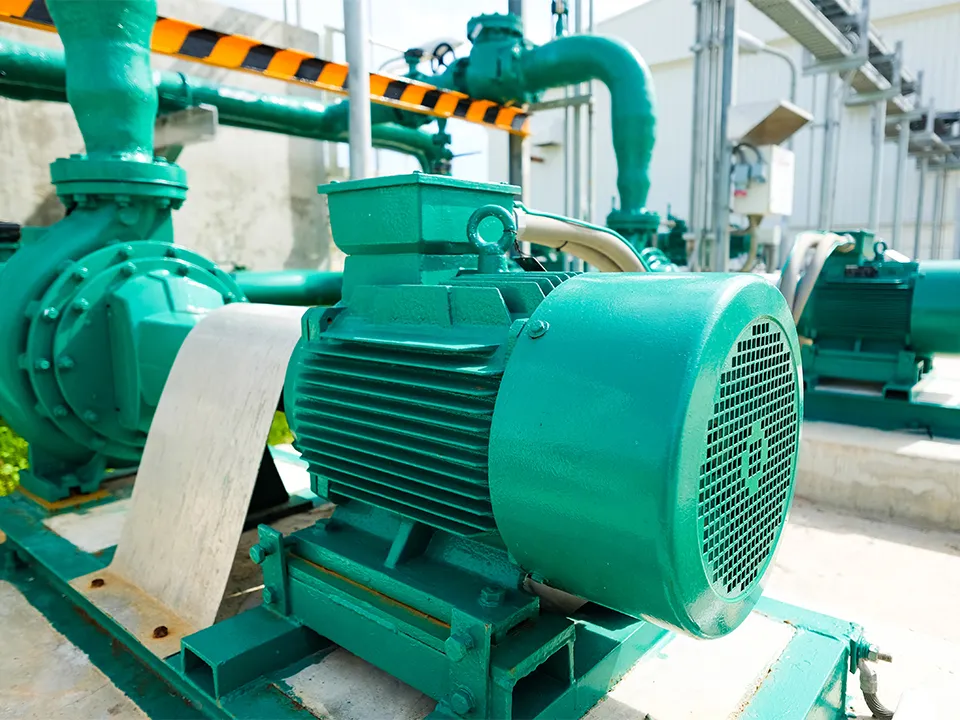
Centrifugal pumps are reliable pumps that require little maintenance.
Worldwide, they account for more than 40% of all liquid transfers in industry. Nevertheless, there are a number of points to bear in mind to prevent damage and ensure a reliable and safe pumping process.
Text Valérie Couplez | Image iStock and Verder

Take care during pump installation or removal to ensure that no bolts or nuts are left behind.
The operating principle of a centrifugal pump is very simple. Centrifugal forces generated by a rotating impeller draw liquid in at the inlet and build up pressure at the outlet. No valves are required, and with only a minimal number of moving parts, the centrifugal pump can be a particularly reliable component in your process. However, that does not mean it is indestructible. Here are the main points to bear in mind to keep it in optimal condition.
Choose the right pump size
Good performance starts with the right selection. Centrifugal pumps have a very specific operating curve. When the back pressure starts to drop, the flow rate increases and the motor’s power consumption follows suit. As soon as this happens, the pump requires more power than its rated power, becomes overloaded and starts to overheat. If this continues for too long, the insulation on the motor windings will start to burn, causing an electrical failure. So take this entire process into account when selecting your pump.
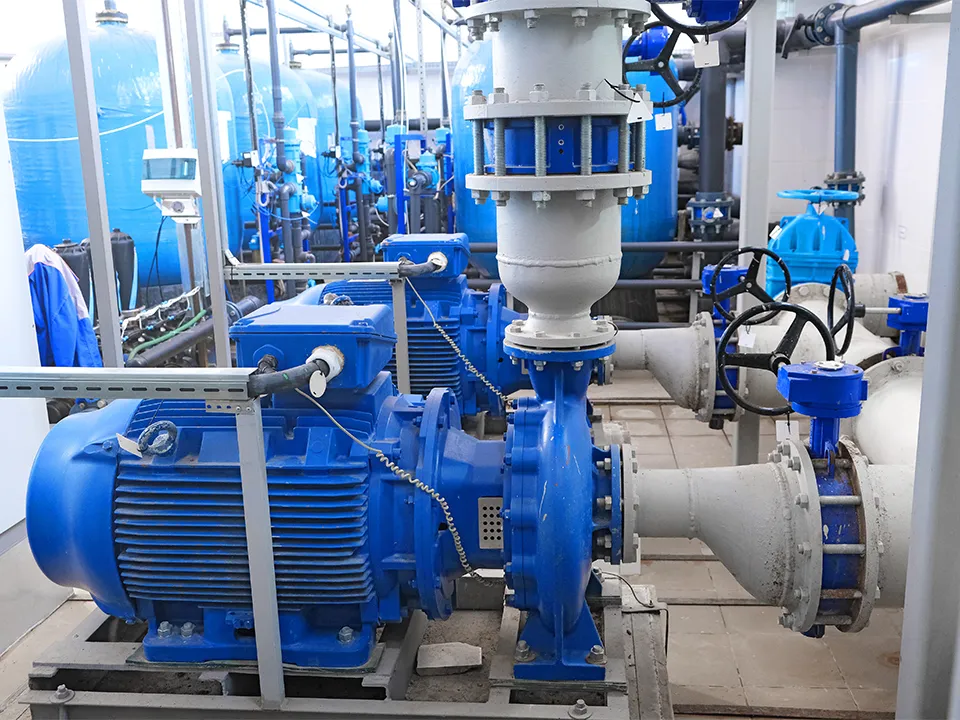
Water hammer is a common problem in process systems with long pipelines and large pipe diameters.
Choose the right mechanical seal
The most critical point in a centrifugal pump is the seal between the rotating shaft and the pump casing. In hygienic centrifugal pumps, this is usually a mechanical seal. It consists of two faces that meet. Under normal conditions, a thin film of liquid between the two faces ensures that the seal is lubricated. However, if there is no liquid in the pump or if the pump draws in a lot of air, the faces will dry out and start to overheat. The elastomers in the mechanical seal will burn, causing it to lose its sealing capacity. This can also happen if the temperature of the medium is too high and there is no flushing to cool the seal faces. The film will then evaporate and lubrication will decrease. Choose the right mechanical seal configuration and select the appropriate sealing material.
Choose the right installation configuration to prevent cavitation
This problem typically occurs when the pipework on the pump’s inlet side is not configured correctly. If a closed valve or undersized pipework creates too much resistance, the pump will not operate correctly. This causes air bubbles to form in the medium at the pump inlet because the liquid pressure has fallen below the vapour pressure and the liquid starts to boil. The bubbles implode when they enter a higher-pressure area of the pump, creating a jet effect on the pump components. The result is severe damage. Impellers affected by cavitation often have numerous small holes. Cavitation also causes vibration, which has a destructive effect on bearings, mechanical seals, the shaft coupling and the impeller screws. In the event of cavitation, the pump will stop pumping the liquid. To prevent this problem in critical applications, choose a pump with a low NPSHr value that can also operate in harsh conditions.
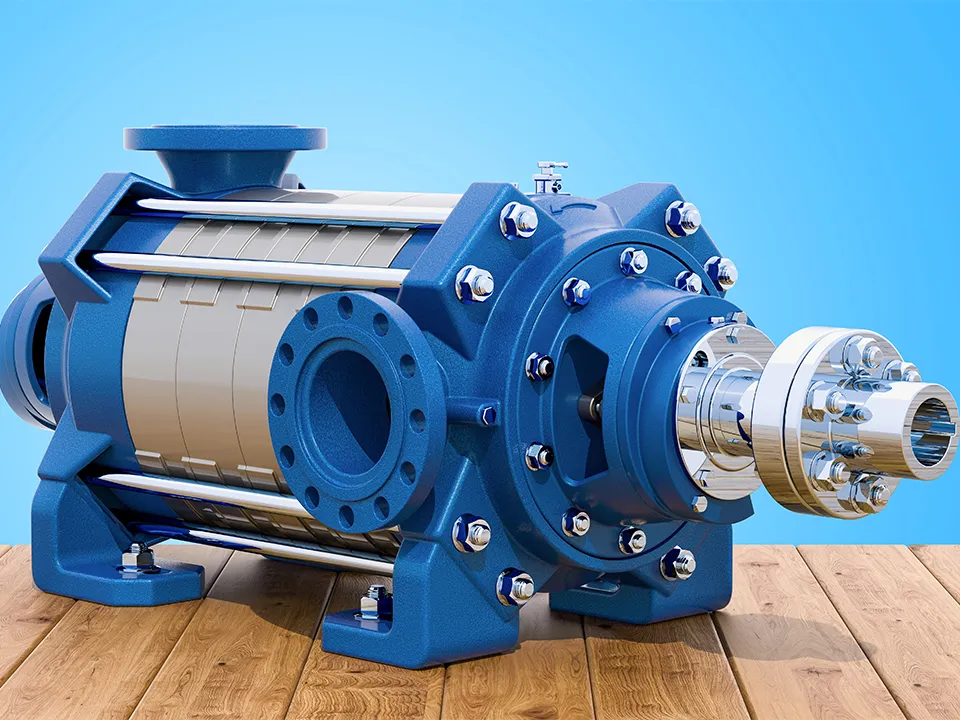
The most critical point in a centrifugal pump is the seal between the rotating shaft and the pump casing.
Choose the right installation system to prevent water hammer
Water hammer is a common problem in process systems with long pipelines and large pipe diameters. It occurs when a large mass of liquid meets a valve that closes rapidly. In response, a pressure surge travels back through the system and passes through the centrifugal pump. This can cause serious damage to the mechanical seals, back plate or even the pump casing. The problem can be resolved by choosing slower-closing valves and/or shorter pipelines, where possible.
Pumping foreign objects
If the medium becomes contaminated with objects such as bolts or nuts, the impeller will jam because there is only limited clearance. Even if the pump is fitted with a free-flow impeller or a channel impeller, which can pump objects as large as potatoes, metal or hard particles will in most cases not pass through the pump, but become stuck between the impeller and the pump casing. This can damage the impeller, casing and bearings. To prevent this problem, take care during pump installation or removal. Pre-screening the bulk material is also recommended.
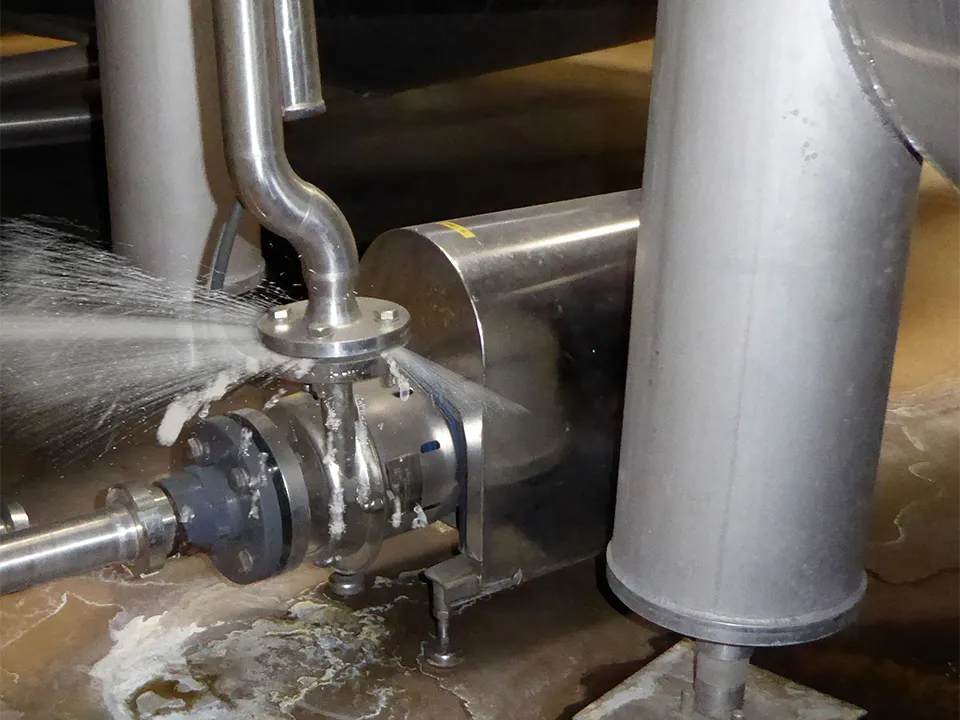
No valves are required, and with only a minimal number of moving parts, the centrifugal pump can be a particularly reliable component in your process.
Choose the right seal for variable or high system pressures
Most hygienic pumps operating under straightforward process conditions are fitted with bellows seals. The pressure between the two sides of the seal largely depends on the inlet pressure. When inlet pressure is high, some blockage can occur, potentially causing damage. In any case, continuously higher inlet pressure will cause significant wear on bellows seals. Both problems can be resolved by using a balanced mechanical seal that operates independently of the inlet pressure.
Frequency converter and connections
Cables that are too long can cause EMC and insulation problems. In larger motors, this can lead to bearing damage. Poor electrical connections can cause the motor to run on just one winding instead of three, leading to burnout. Excessive speeds require too much power, while speeds that are too low cause ventilation problems. If the frequency is not switched correctly, noises may occur that sound like a broken bearing or a cavitating pump. This can be avoided by following the manual closely.
Question about this story? Ask your question
Keep following this
Get an email when a new story is published. No account needed.
- SubjectNews







