












Why AI only works with robust technology
I see it happening more and more: companies invest millions in artificial intelligence but forget to strengthen the foundations. We talk endlessly about algorithms, machine learning and automation, while paying little attention to the physical base that all this software runs on: the hardware. This puts the continuity of your processes at risk.
No smart future without a robust foundation
We dream of state-of-the-art factories where AI continuously helps make processes more efficient, enables predictive maintenance and carries out real-time quality control. But in practice, I see something else. While software is developing rapidly, hardware is sometimes not a priority and often falls behind schedule. And that is a problem. Because all these AI processes, from algorithms to data flows, have one thing in common: they need to run on devices that work at all times. In the rain, in the cold, on dusty construction sites or in noisy production halls. I find that the hardware side is still too often underestimated. There is a focus on IT strategy, but rarely on the physical devices that make it possible. Yet those robust devices are precisely what ensure continuity, reliability and buy-in from shop-floor workers. If you want smart technology to work, you cannot build on shaky ground.
AI requires computing power and a sense of reality
Artificial intelligence, particularly in applications such as edge computing, requires not only smart algorithms, but also sufficient computing power, reliable connectivity and a robust environment in which data can be processed at source. In the field, at the right moment, without data loss or delays. That is where robust IT solutions make the difference. Think of portable devices that can withstand a fall down a flight of stairs, keep working at -20 or +50 degrees Celsius and enable technicians to work with AI models on site. Only then can we truly deliver on the promise of faster decision-making, less downtime and greater efficiency.
And let’s not forget sustainability. Robust technology often lasts two to three times longer than standard equipment. Fewer replacements, less electronic waste, less transport. At a time when every sector is under pressure to reduce its environmental footprint, this is no detail: it is a necessity.
My message to colleagues in industry is this: invest not only in AI solutions, but also in the physical infrastructure they require. Don’t just ask yourself what AI can do, but also where and how it needs to happen. Technology that is fantastic in theory but fails or falters in practice will not get you any further. So take a critical look at your equipment, be willing to replace vulnerable systems and build a digital future that is as strong as it is smart. Only then can AI become the powerful engine of your industrial success.
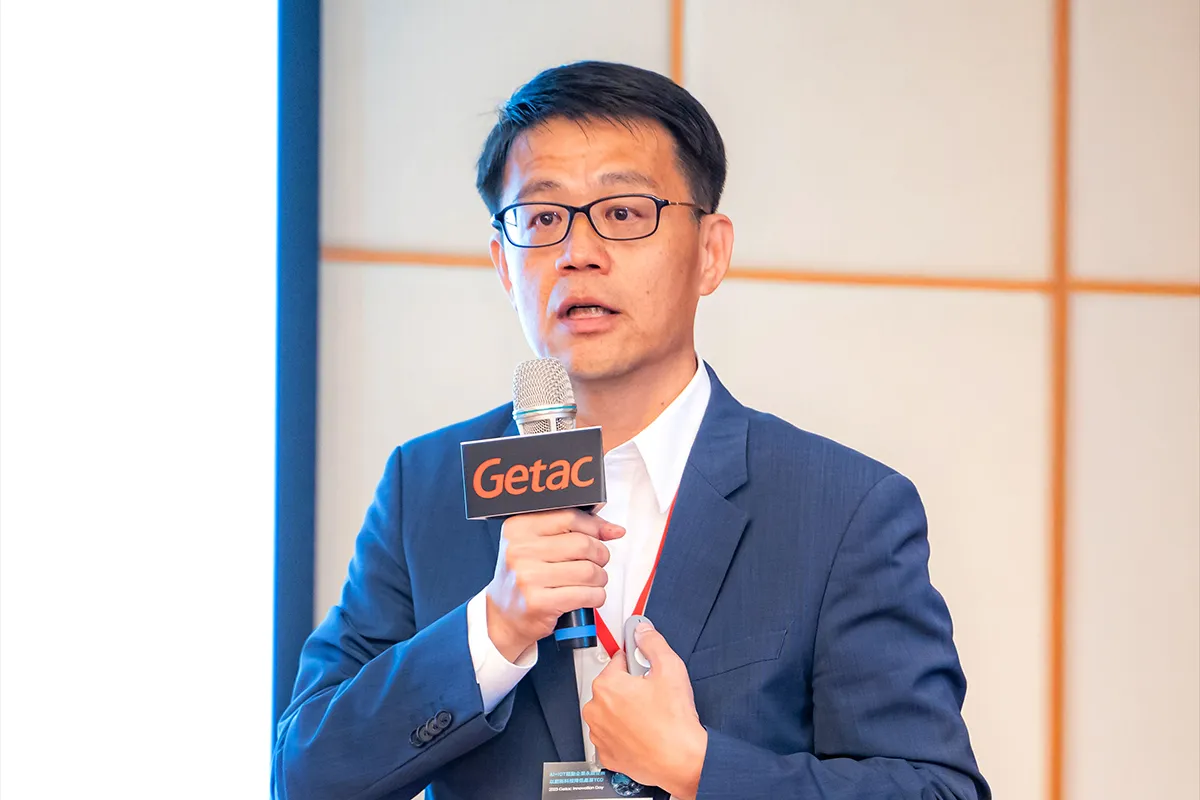
Jerry Huang
Vice President of Getac Technology Corporation
Question about this story? Ask your question
Keep following this
Get an email when a new story is published. No account needed.
- SubjectNews







