












X-ray inspection safe way to ensure quality
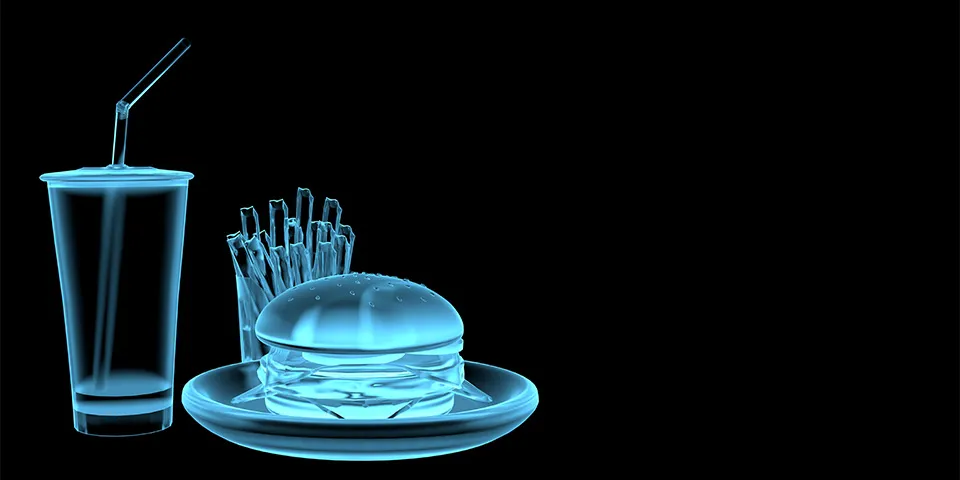
X-ray inspectie blijft wereldwijd aan populariteit winnen bij voedingsproducenten. De technologie biedt dan ook enorme voordelen voor de detectie van…
X-ray inspection continues to gain popularity among food producers worldwide. As a result, the technology offers enormous advantages for the detection of contamination in products and for a whole host of in-line quality controls. Win-win. However, many companies are still reluctant to use X-ray. They question the safety of such beams. But these concerns are unjustified. When properly maintained and used, X-ray inspection is as safe as any other monitoring technique.
Food safety and quality requirements continue to increase. To pass retailers' stringent audits, quality control is an inherent part of every food producer's operations. X-ray technology provides a valuable tool for this. Like metal detectors, it can detect ferrous, nonferrous and stainless steel particles that might be undesirably present in products and take appropriate action. But where metal detectors stop, X-ray goes further. Even glass, mineral stones, bone, high density plastics and rubber components do not escape the watchful gaze of the facilities. Additionally, a number of in-line checks can be done to watch over quality: mass measurement, component counting, identification of missing or damaged products, fill level control, weld seam integrity inspection ... In other words, one device can perform a lot of functions, just what explains the advance of X-ray technology.
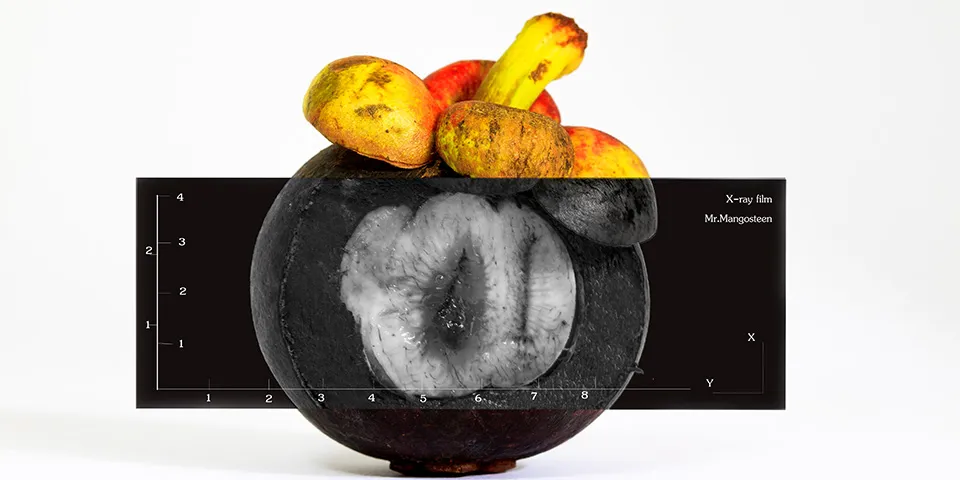
To pass retailers' rigorous audits, quality control is an inherent part of any food manufacturer's operations. X-ray technology provides a valuable tool for this.
Healthy radiation
As the word says, all these operations are done on the basis of X-rays. The wavelength of the rays allows them to pass through materials. The higher the density of the material, the fewer rays will get through. Hidden contaminations such as glass and metal thus show up because they reflect the rays more than the food product in question. Under no circumstances should the X-rays used be associated with radioactive rays. Radioactive material emits radiation in the form of alpha and beta particles and gamma rays. Radiation that cannot be eliminated and can only be controlled in a material such as lead. X-ray radiation is completely different and inherently safe. As soon as the equipment is turned off, the radiation stops immediately. X-ray thus guarantees a perfectly safe working environment for operators. By the way, did you know that controlled irradiation of food with X-rays can kill bacteria for longer shelf life, improved product quality and a reduction in microorganisms present? They are the same type of rays that X-ray inspection uses, but in much, much smaller doses. Safe, in other words.
Very limited dose
The dose of radiation produced by X-ray technology is also no cause for concern. Scientific studies show that there is no health risk when the radiation dose does not exceed 20,000 µSv (sievert) annually. What is released on an annual basis from an X-ray inspection device in the food industry is only a fraction of this. Moreover, it is further contained by distance and enclosure. For this reason, the equipment is often built in stainless steel. In addition, copper is also used. Therefore, they have no effect on the safety of the food, its taste, texture or nutritional value or on the health of the operator on the line. Moreover, the use of such inspection devices is strictly regulated to ensure safety at all times. The health risk posed by the presence of physical contaminants in food such as glass, metal or plastic is actually much greater. And it is precisely in this domain that X-ray inspection excels. So they are a driving force in food safety and quality. Not the other way around.
Question about this story? Ask your question
Keep following this
Get an email when a new story is published. No account needed.
- ThemeSmarter measurement and inspection
- SubjectNews







