Are you getting the most out of your variable speed drive (VSD)?
You can choose energy-saving equipment, but to continue reaping the rewards of your investment, it also needs to be installed correctly and monitored constantly. WEG, the renowned global manufacturer of motors and drives, asks an important question: are you getting the most out of your VSD?
There is a wealth of information on saving energy in factories, whether by simply upgrading an electric motor or installing soft starters. But one of the most popular improvements is the variable speed drive (VSD), particularly in sectors such as water treatment, food processing, oil and gas, and climate control. VSDs can regulate the speed of components such as fans, compressors and pumps very effectively in industrial processes. According to the European Committee of Manufacturers of Electrical Machines and Power Electronics (CEMEP), a 20 per cent reduction in speed can potentially deliver energy savings of 50 per cent.
Audit
The first step is an energy audit to establish where your factory uses the most energy. This will help you identify where you have the greatest potential to save energy and costs. Armed with this information, factory managers can focus on these areas. So what should you look out for when deciding to buy a VSD? And if you have already installed VSDs, how can you ensure they are working effectively?
Upgrading
Engineers sometimes ‘inherit’ an existing installation that is incorrectly sized or not well suited to the new application. In such cases, you can upgrade or replace the existing VSD to save more energy and reduce costs in the long term. From 1 July 2021, the Ecodesign Directive (EU) 2019/1781 required new AC drives sold in Europe to meet the IE2 efficiency class. This regulation applies to 3-phase standard drives rated 0.12 kW ≤ Pn ≤ 1,000 kW.
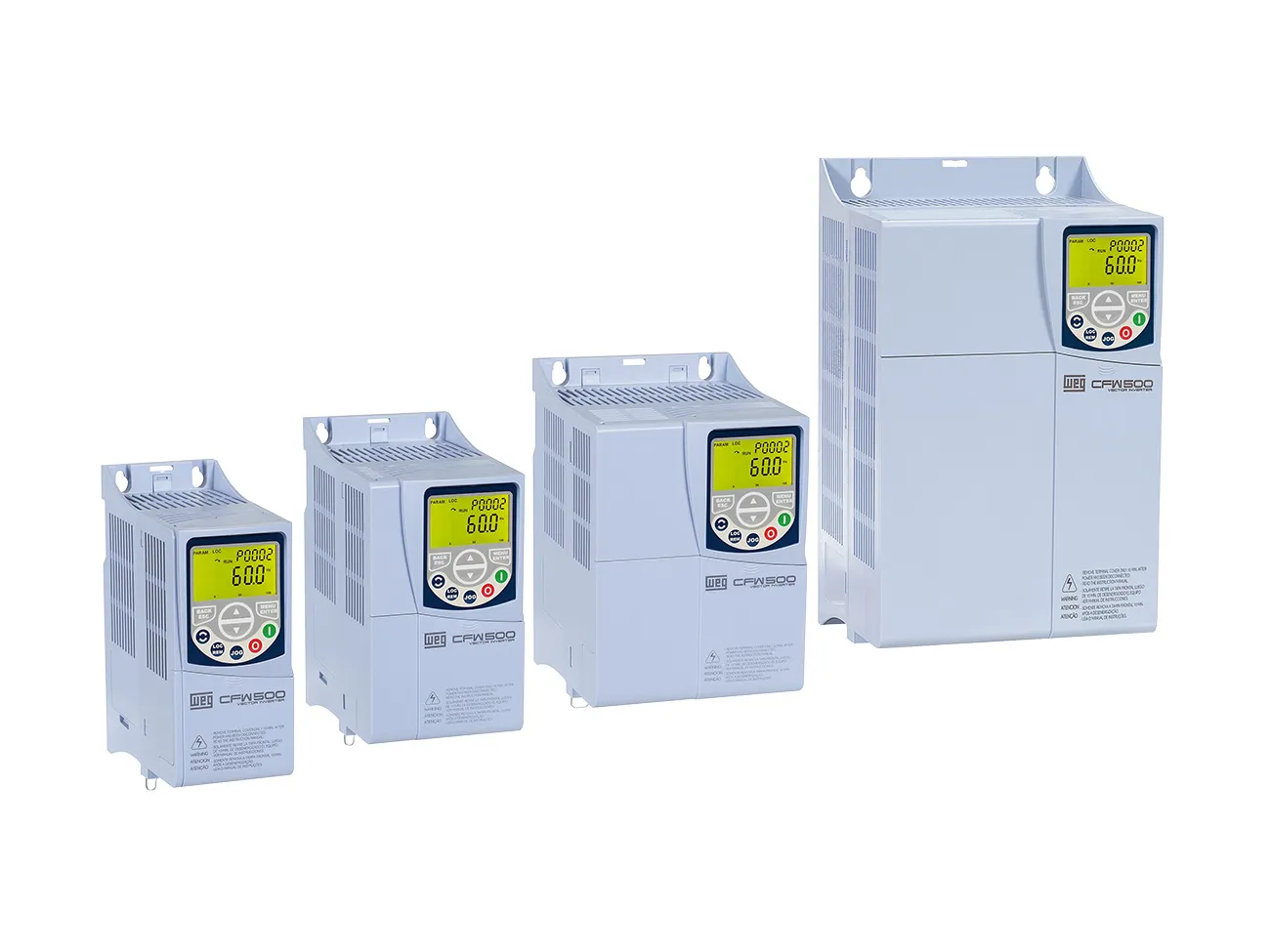
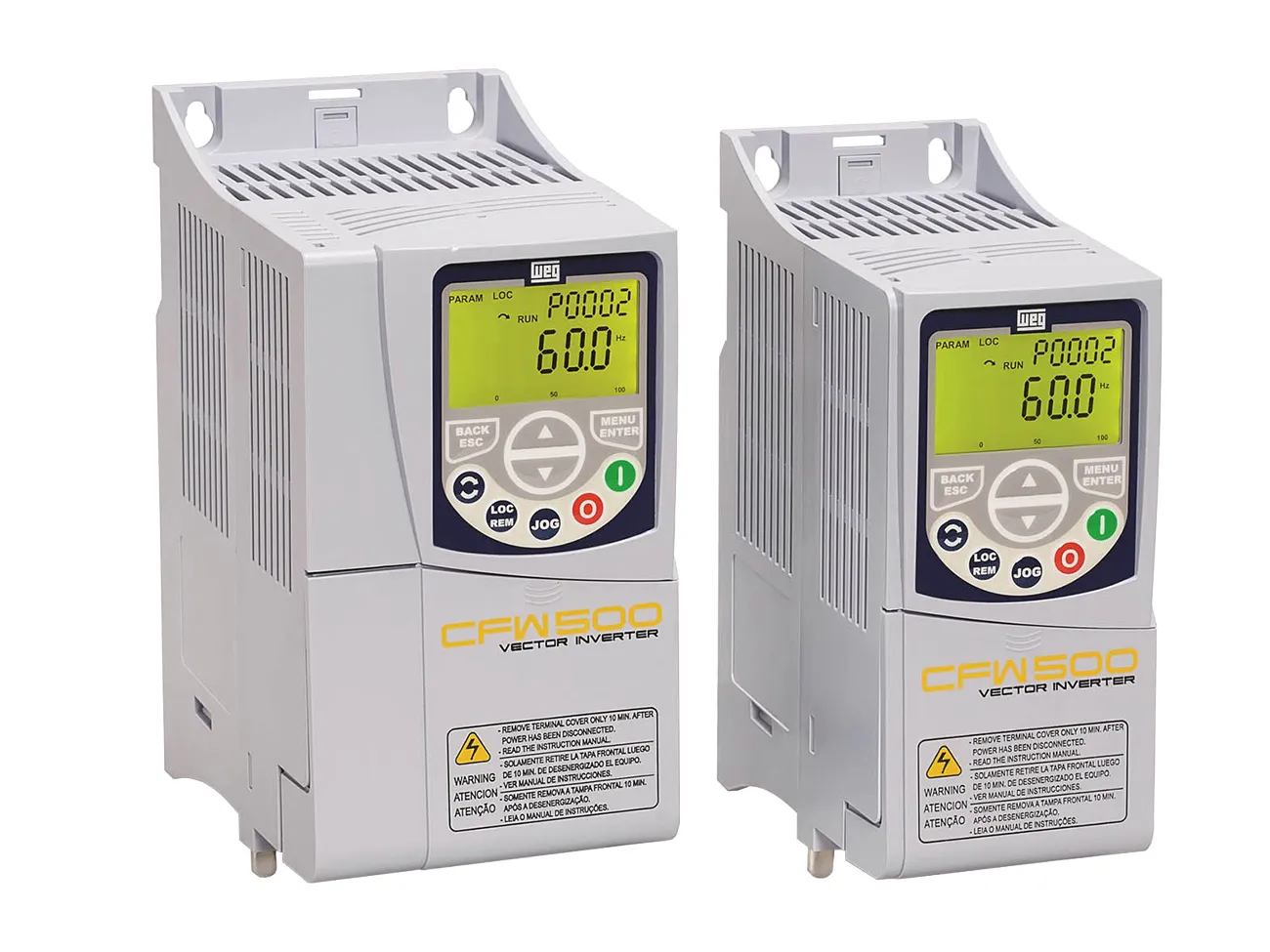
The new regulation places greater emphasis on reducing energy consumption through the components of electrical drive technology, and forecasts suggest that the legislation will deliver significant benefits for Europe by 2030. WEG’s CFW500 models meet the IE2 efficiency standards and are suitable for general machinery, conveying, rotating, lifting, pumping and ventilation applications. Depending on your application, however, you may need a dedicated VSD, such as the WEG CFW501, which is specifically designed for HVAC while still offering the same reliability, flexibility and efficient power control.
Installation and parameters
To achieve maximum energy savings, VSDs must be installed and commissioned correctly. Following the manufacturer’s instructions can make the difference between an installation that runs trouble-free for years and a system with a much shorter lifespan. This is where working with an expert such as WEG really pays off. If the VSD is not configured correctly, system performance can be significantly reduced. To make installed VSDs as reliable as possible, first consider the operating conditions and the required motor speed.
Parameters usually have a ‘default’ setting, which will probably suit most applications, but you will need to check and adjust the settings to ensure everything works optimally. Contact your local WEG dealer if you need help with this.
Additional functions
VSDs are often packed with useful functions that factory managers may not be aware of. For example, enabling the VSD’s energy management function, which keeps the motor running as efficiently as possible at a given speed and load, is an easy and effective measure. In addition, extra sensors for measuring vibration and pressure can be an affordable upgrade, allowing the system to act as a smart sensor and monitor operating conditions. Adding control functions to the drive means you no longer need a PLC, while also saving energy and reducing downtime.
Another example is Pump Genius in WEG VSDs for water utilities. This function makes more effective use of motors based on production demand and the available fluid volume. Automatic pipe-break detection in the VSD identifies leaks and adjusts motor performance accordingly. Dry-run detection also shuts down the motor automatically and triggers a pump alarm as soon as there is no fluid left. In both cases, the motor’s power consumption is reduced because the conditions require less energy, and the operator receives a fault notification.
VSDs can even automatically clean a pump’s impeller when necessary. This keeps the pump in perfect condition, which benefits both the motor and energy efficiency.
Finally, it is also important to monitor your systems constantly so that your factory can keep becoming more energy efficient. Setting up a measurement system to track energy consumption over a longer period is a good way to see whether the chosen energy-saving measures are effective or could be improved. An engineer can only answer the question of whether you are getting the most out of your VSDs by keeping a constant eye on the installation.
Question about this story? Ask your question
Keep following this
Get an email when a new story is published. No account needed.
- SubjectProcess & instrumentation