Process instrumentation in the Industrie 4.0 era
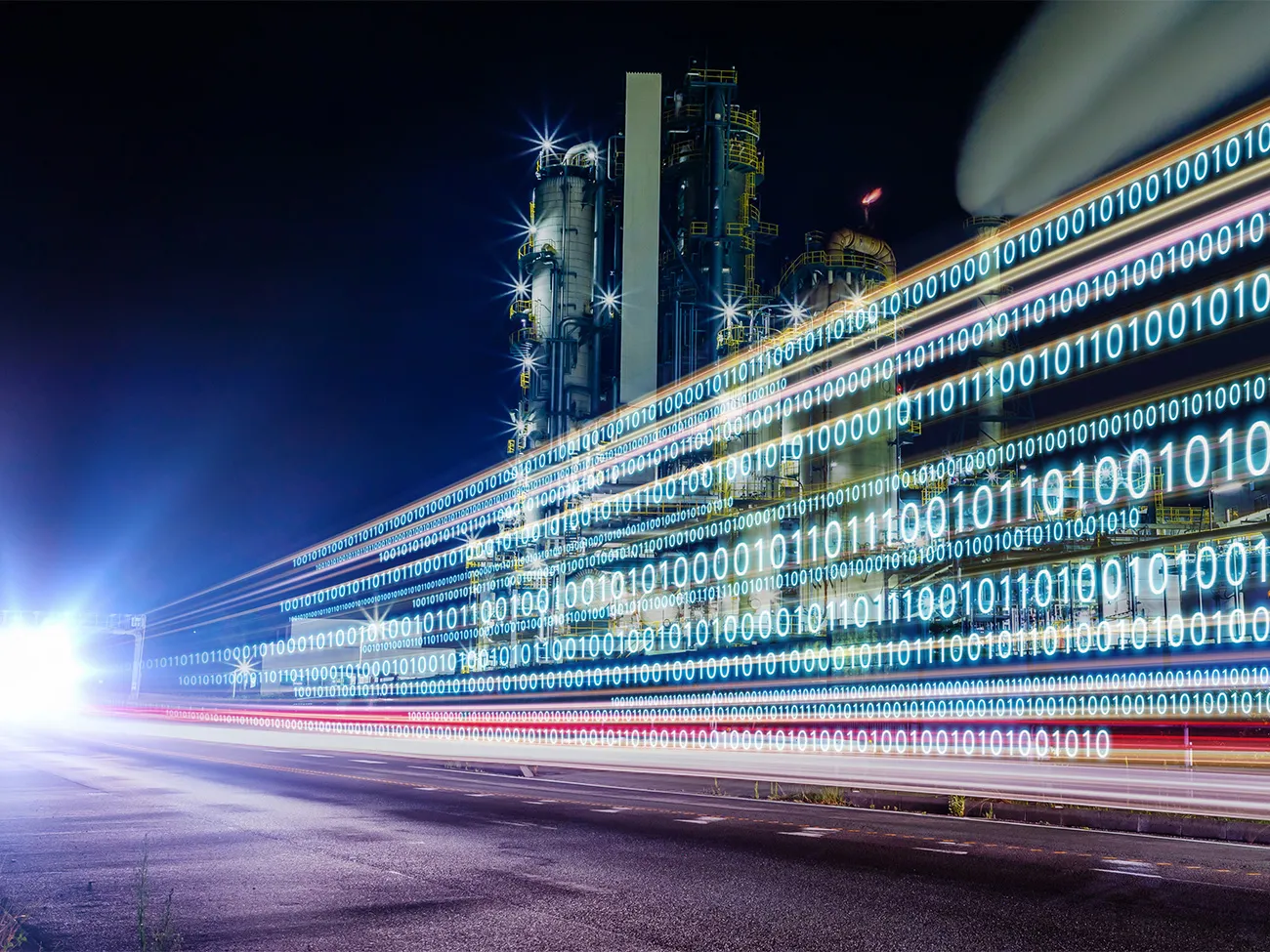
Manufacturers are under pressure to improve the reliability, performance and control of their production processes. At the same time, the number of experienced employees is declining, and production and maintenance costs need to come down. The only way to meet this challenge and live up to the expectations of the employees of the future is to embrace digital technology. Digitising process instrumentation will help improve application validation, instrument selection and device commissioning. In other words, it will make a significant contribution to the safety and efficiency of your company’s industrial production plant.
Competition in the industrial sector has intensified considerably in recent years. On top of that, a large number of experienced employees will retire in the coming years. Process monitoring, however, remains a crucial task. Innovative methods will therefore be needed to boost efficiency and reliability while reducing risks and costs. The answer? Making better and broader use of smart instruments, and relying on partners. Where sensors and all manner of other devices used to be selected from hefty catalogues, manufacturers are now looking to their suppliers for greater expertise. They are moving from offering products to providing solutions.
A key element of modern instrumentation is making integration a priority. The typical isolation of workflows in management systems needs to make way for an integrated flow, in which valuable digital data can be easily shared among all the stakeholders involved. Removing these barriers will boost overall performance, help operators and engineers save time, and give them greater control over instrumentation projects. A central monitoring system should be created at the heart of control systems, giving users a platform that intelligently integrates sensors, actuators and process analytics.
Easier to work with
Digitalisation is changing the way process instrumentation is implemented. A new level of ease of use is being achieved throughout the entire lifecycle of field instruments, from product selection to commissioning and even advanced diagnostic capabilities further down the line. Smart sensors are sensors that can recognise information and intelligently network with one another to draw the right conclusions. The key considerations are safety, availability, flexibility and efficiency. Instrumentation will need to come equipped with diagnostic and predictive maintenance capabilities. This will not replace all the knowledge held in the brilliant minds of your employees. But digitalisation does mean that young engineers can get up to speed much faster on what needs to be done to keep processes running optimally.
Digital technology, mobile technology
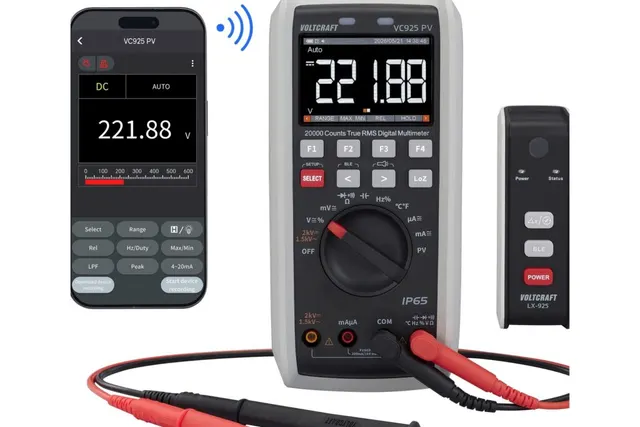
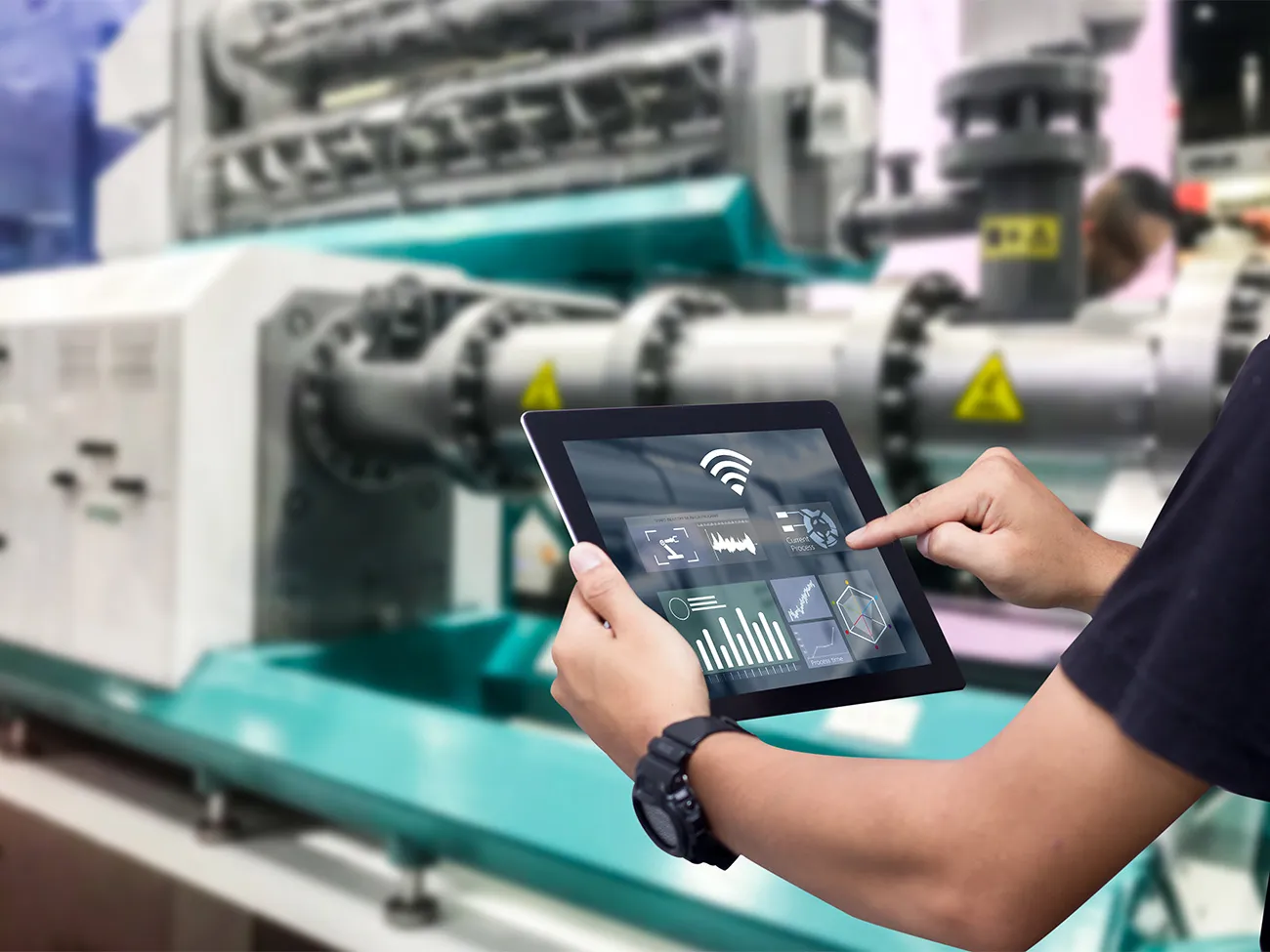
They no longer need to be glued to a screen, either. With the introduction of digital technology, mobile devices are also becoming increasingly common on production floors. Laptops, certainly, but tablets and smartphones can also now be used to monitor processes. This means data can quickly reach the right stakeholders, speeding up decision-making and making it possible to have the optimal set-up ready in no time for all the instruments needed in an automation project.
Point-to-point communication is relatively secure, but rather slow. The increasing use of wireless technology makes it possible to take steps towards a fast, decentralised approach and access services that can add value to existing processes. Open communication standards are a crucial building block for this future.
Take Namur, for example.
Making fewer mistakes
Digital tools also help prevent mistakes. Are certain materials and media incompatible? Is the right transmitter matched to the right control system? The extensive diagnostic capabilities of modern instruments put these issues to rest. That will be necessary. As demands grow to improve production processes in factories and deliver investment projects as quickly and efficiently as possible, the instrumentation must also be right first time. No more time or money can be wasted on mistakes, orders, configurations or installations. And while that may work well within the walls of a single factory, what about multiple sites? How can all processes then be monitored and evaluated in real time? The only way is to work in an integrated and digitalised manner.
Question about this story? Ask your question
Keep following this
Get an email when a new story is published. No account needed.
- ThemeKeeping processes stable and clean
- SubjectProcess & instrumentation