Sensor fusion for more compact, smarter applications
Text Valérie CouplezImage iStock
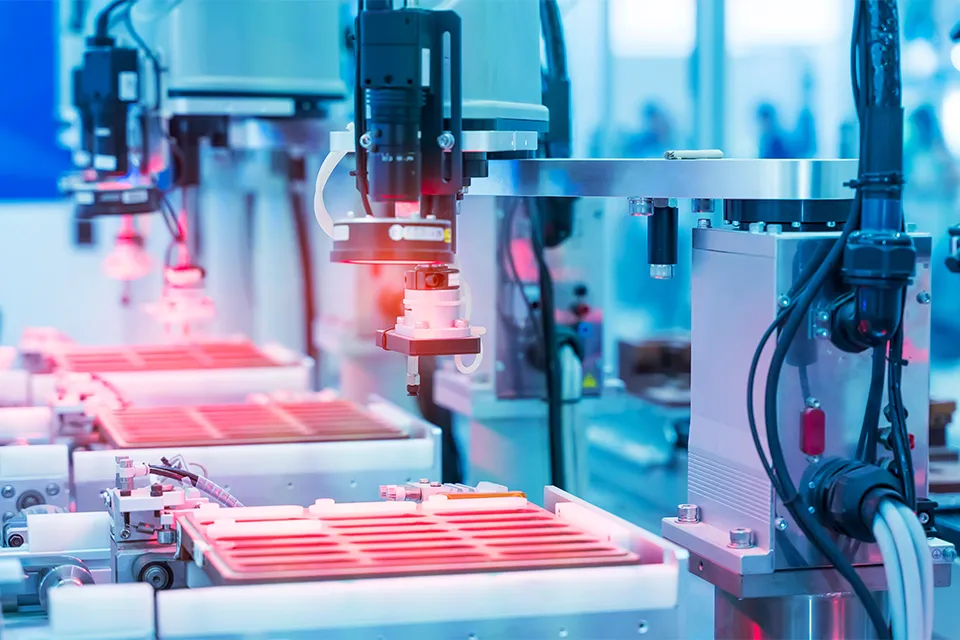
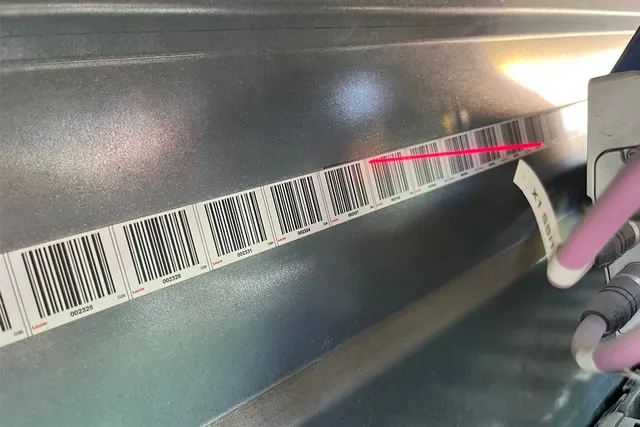
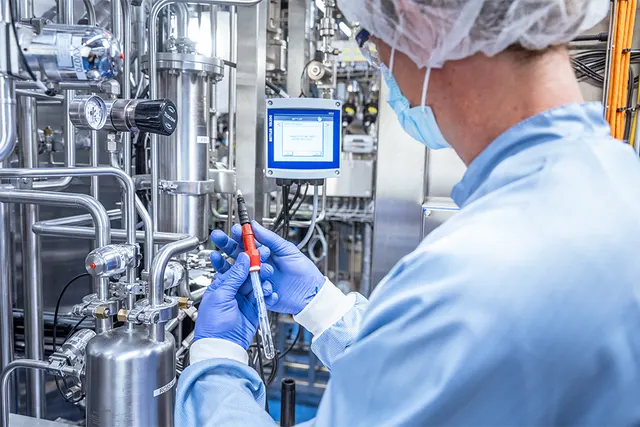
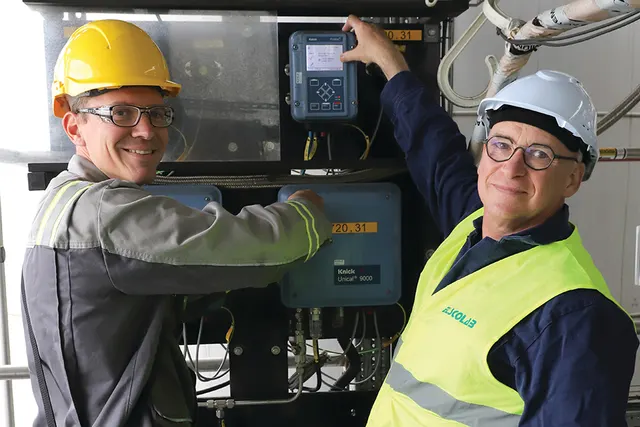
Sensors are the workhorses of Industry 4.0. Without reliable measurements, mapping processes and then optimising them is an impossible task. They also enable greater efficiency and productivity, something we all strive for. But sensor technology is, of course, constantly evolving. One notable trend is sensor fusion: combining different sensing technologies in a single sensor to gain better insights in less space.
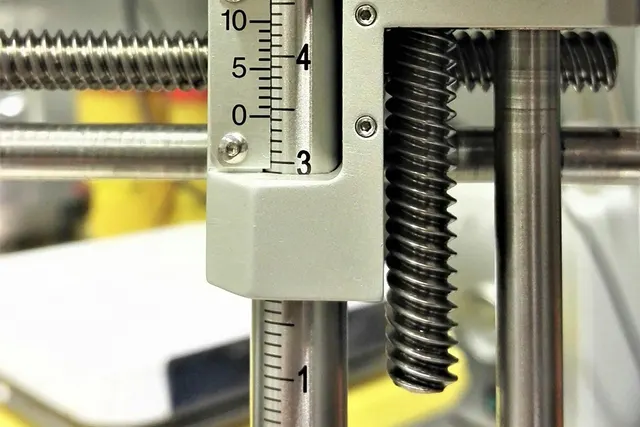
Sensors capture information from their surroundings. Depending on the type, they measure pressure, temperature or flow rate, but they can also measure the conductivity of liquids, determine pH levels or map the world around them. This is a huge asset in production, enabling processes to be automated. The values captured can then be used to fine-tune other parameters. Excellent, but this technology is already well established in many companies. Looking at the next steps, sensor fusion stands out. This technique has been made possible in part by advances in chip technology.
Combined data
Sensor fusion is the integration of different sensors in a single, compact sensor application. Compactness matters because machines are getting smaller, making more efficient chip technology essential. The process is much like the way the human brain works. Information gathered by our senses converges in the brain. Only by combining data from different sources and assessing it against the intelligence built up through experience can we anticipate what is coming and respond appropriately and efficiently. Sensors that work together autonomously in the same way are becoming increasingly common in industry. Sometimes they take the form of a single off-the-shelf product combining several measurements; in other cases, they are assembled into an integrated sensor module for specific applications that require combined data.
More connections and insights
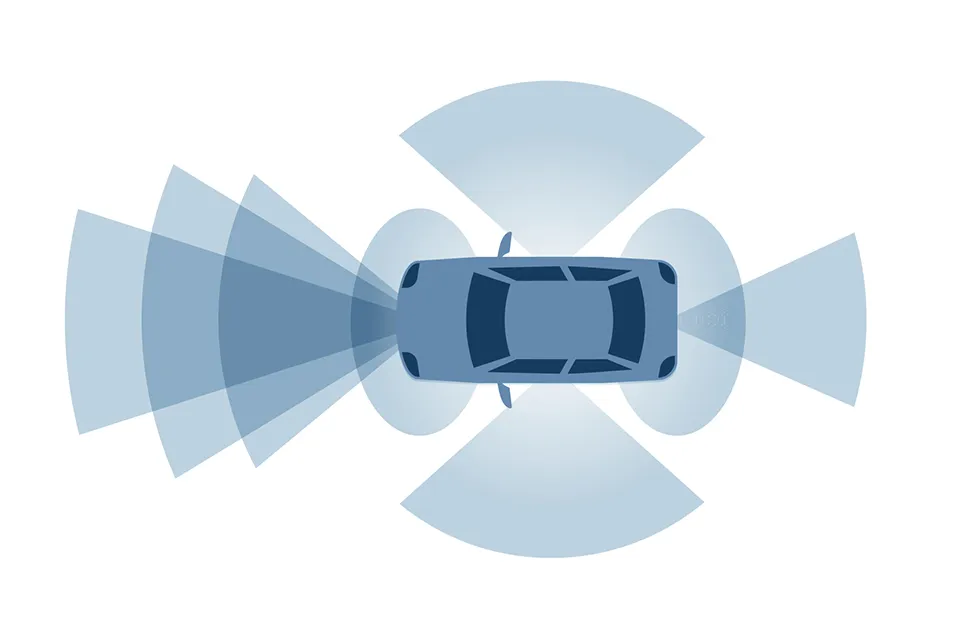
More data, combined with input from different sources, helps uncover more connections and insights. Each type of sensor has inherent strengths and weaknesses. Together, they can see more. Consider traffic and the technology fitted to new cars today. Radars are very good at accurately determining distance and speed, even in challenging conditions, but cannot read road signs or ‘see’ the colour of a traffic light. Cameras, by contrast, are very good at reading road signs and classifying objects such as pedestrians, cyclists and other vehicles. However, they can easily be affected by dirt, sunlight, rain, snow or darkness. Lidars can detect objects accurately, but do not offer the range or affordability of cameras or radar.
Enriching the data
Combining these three technologies enriches the data. It enables more complex detection tasks involving multiple variables and even lays the groundwork for autonomous driving, which is currently the subject of intensive development. In an industrial environment, sensor fusion brings individual data streams together to give a complete picture of the surroundings or the system being monitored. One essential condition, however, is that there must be sufficient onboard intelligence to process the data quickly enough. It also means users do not have to control their applications from a central data centre, but can instead use edge devices. Low-level data fusion on smart devices or gateways collects and processes sensor input. Mid-level data fusion supports intensive analysis, while high-level data fusion takes place in data centres or the cloud to provide a broader perspective. The benefits of this approach include:
• Greater application resilience, because fewer error margins are needed and redundancy is ensured;
• Lower costs, because devices can be given more functionality;
• Greater resistance to cyberattacks that attempt to transmit false signals.
Question about this story? Ask your question
Keep following this
Get an email when a new story is published. No account needed.
- ThemeSmarter measurement and inspection
- SubjectSensors & vision