Why inline gas analysis is essential for a safe and efficient process
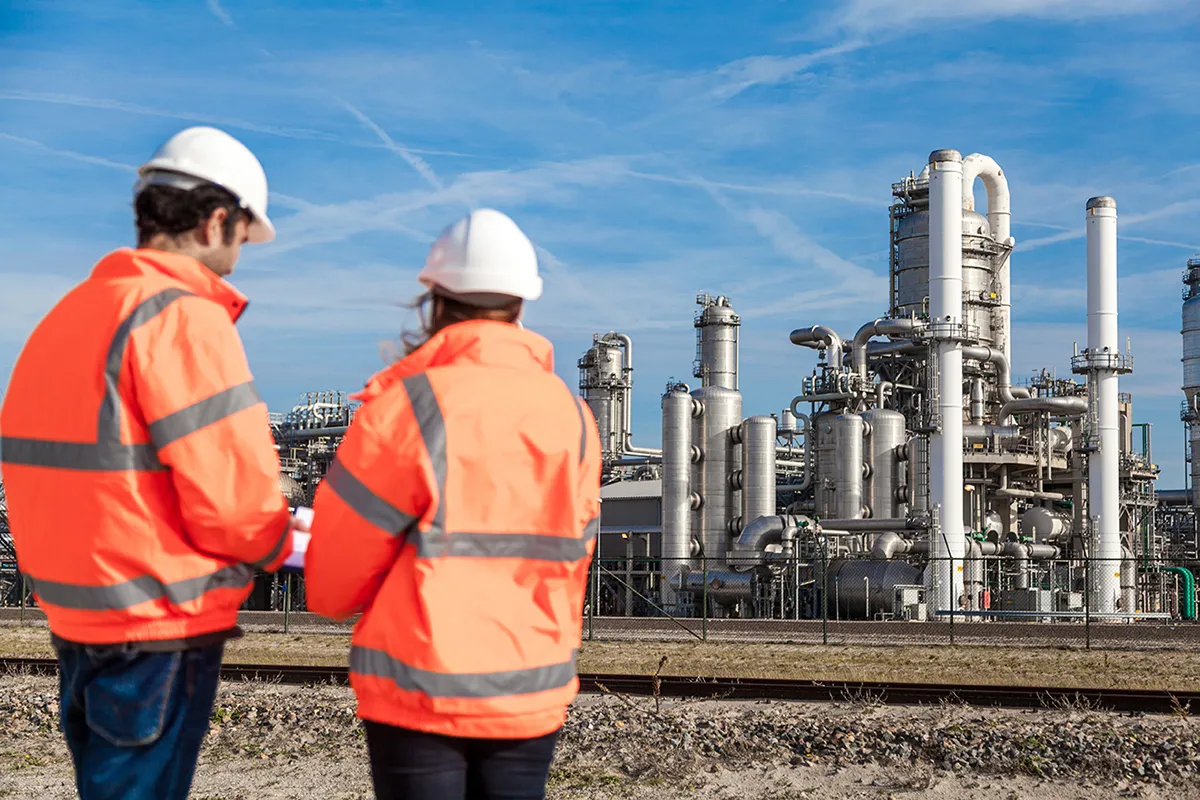
Gases play a critical role in many industrial processes, from chemicals and petrochemicals to pharmaceuticals and food production. Think oxygen, CO₂, hydrogen, ammonia or solvents. But without reliable, continuous measurement of these gases, you are effectively working in the dark. Traditional methods such as manual sampling or periodic laboratory analysis are often too slow, provide only snapshots and increase the risk of errors.
Inline gas analysis gives you real-time insight into the composition of your gas streams. This technology enables continuous, accurate measurement without interruption, directly in the process. The result? You improve safety, prevent unplanned downtime and optimise energy and raw material consumption.
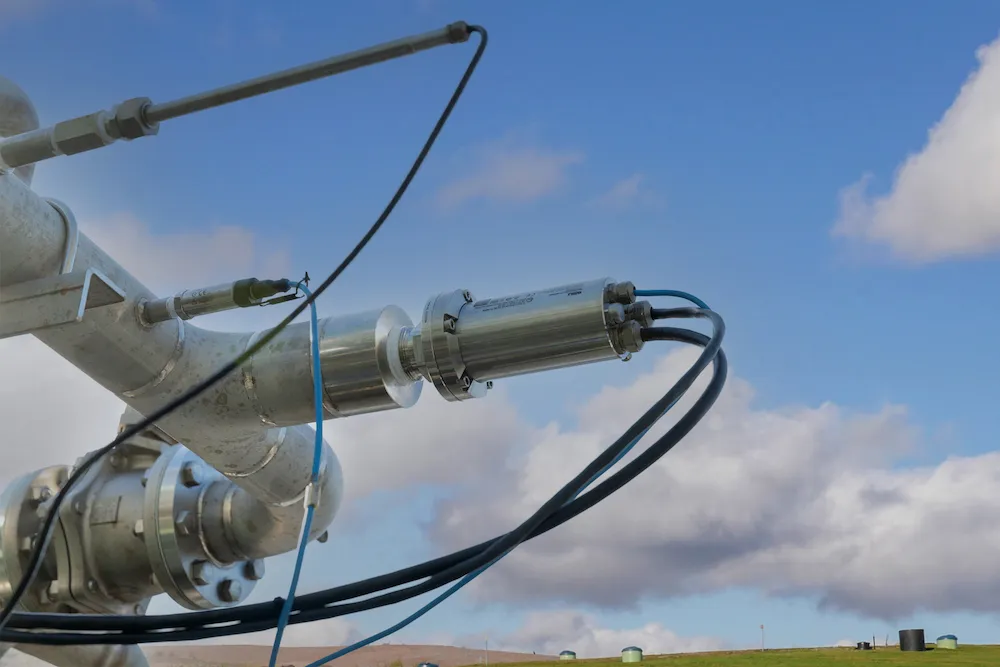
Depending on your application, you can choose technologies such as Tunable Diode Laser (TDL) or electrochemical measurement principles. Examples include oxygen measurements in inerting processes, emissions monitoring or residual gas monitoring. Modern analysers are also robust, easy to maintain and simple to integrate, even in demanding environments.
In short, inline gas analysis is not a nice-to-have, but an essential link for anyone looking to optimise and make their process more sustainable.
Want to know more about the possibilities and applications of inline gas analysis?
Read the full overview and discover how to optimise your process through gas analysis.
A business enquiry for ELSCOLAB? Get in touch
Companies in this story

Keep following this
Get an email when a new story is published. No account needed.
- SubjectSensors & vision
- CompanyELSCOLAB