Collaboration is key to a successful fish-friendly pumping installation
Text and images Turck B.V.
Innovation happens when expertise comes together
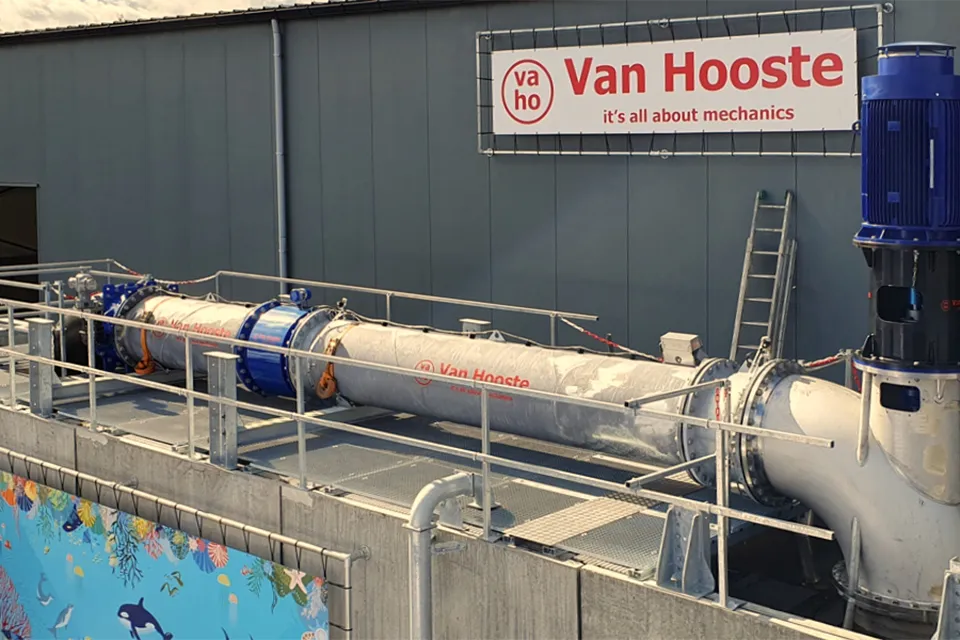
Managing water levels in nature reserves is a delicate task. Water levels must be controlled precisely, while the ecological impact must also be taken into account. Fish populations, particularly eels, are at significant risk from conventional pumping systems. Their rotating impellers often cause high mortality rates. Van Hooste BVBA was commissioned to develop a sustainable, fish-friendly solution for the De Blankaart nature reserve in Diksmuide, Flanders. Collaboration with Turck was crucial to the project, with Turck taking responsibility for the entire electrical side of the installation.
From mechanical expertise to an integrated solution
Van Hooste, a family business with more than 40 years of experience in hydraulic engineering, is known for its mechanical expertise. For this project, however, the challenge was not only to design a pump that allows fish to pass safely, but also to develop an intelligent control system that continuously monitors performance. “Our strength lies in mechanical manufacturing,” says project engineer Brecht Van Damme. “Turck added tremendous value through its close collaboration and by taking full responsibility for the electrical side. Turck handled both component selection and programming.”
From sensor technology to data processing
To ensure optimum pump performance, parameters such as pressure, temperature, speed and flow had to be measured and analysed continuously. Turck supplied a range of IO-Link sensors, including PT-series pressure transmitters and TS700-series temperature sensors. An encoder monitors the speed, ensuring that the pump always operates within safe limits. S15C converters from Banner Engineering were used to integrate analogue signals from other manufacturers, converting them into standardised IO-Link data.
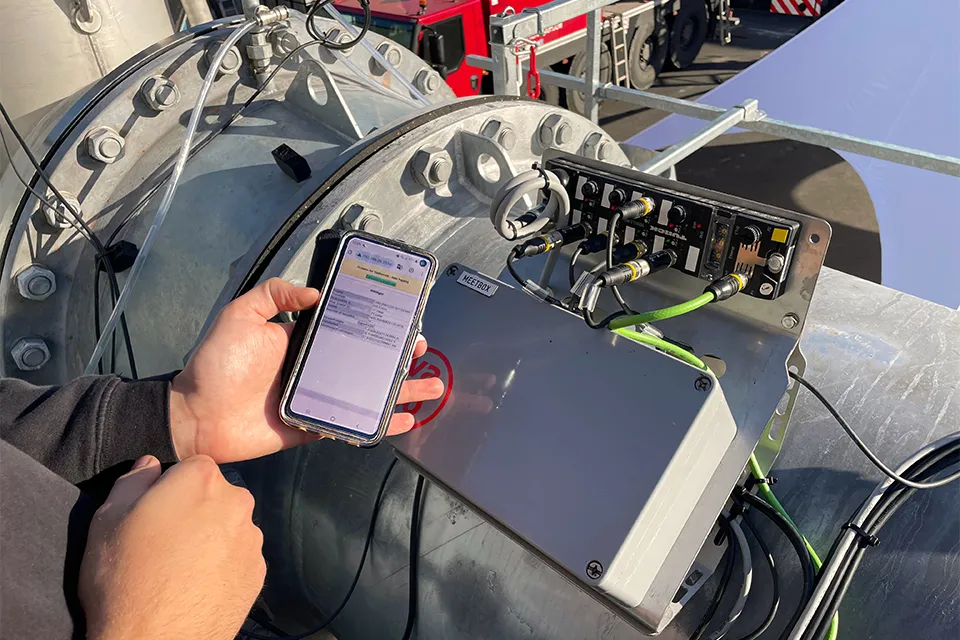
At the heart of the electrical solution is Turck’s TBEN-L5-8IOL I/O module, equipped with an ARGEE field logic controller. The module processes all measurement data in real time and automatically records the pump’s characteristic curve in an Excel file. This is essential for the Factory Acceptance Test (FAT), which enables Van Hooste to demonstrate that the installation meets the stringent requirements of the Vlaamse Milieumaatschappij (VMM).
Transparency and real-time monitoring
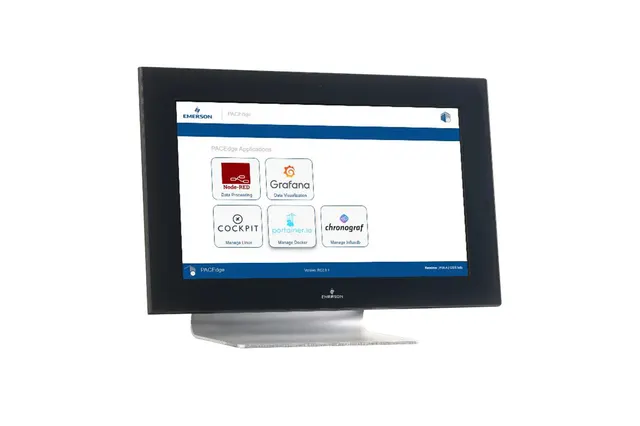
Thanks to the application developed by Turck, the Van Hooste team can continuously monitor performance on mobile devices via a user-friendly dashboard. Any deviations are immediately visible, allowing adjustments to be made quickly. This transparency and flexibility are important not only during the current test phase, but also provide a solid foundation for future optimisation.
Sustainability and ecology go hand in hand
The initial results of the test phase are promising: fish mortality is significantly lower than with traditional pumping systems. The project demonstrates that technological innovation and environmental responsibility work well together. The installation will soon be operational at De Blankaart and will serve as an example for similar applications in water management and environmental engineering.
Collaboration as a success factor
This project highlights how crucial collaboration is in tackling complex technical challenges. Van Hooste brought mechanical precision, while Turck provided expertise in sensor technology, data processing and programming. The result is a system that not only meets all technical and ecological requirements, but also offers a sustainable solution for the future. “Together, we achieved our goals without any problems,” says Van Damme. A remark that perfectly sums up the essence of this project: innovation happens when expertise comes together.
A business enquiry for Turck B.V.? Get in touch
Companies in this story

Keep following this
Get an email when a new story is published. No account needed.
- SubjectServices & solutions
- CompanyTurck B.V.