Compressed air quality: know what you’re measuring
Text Marjolein de Wit-BlokImage BEKO Technologies

Compressed air is used extensively in the food industry. It is important that this air is free from dust particles, oil and water. The only way to check and validate this is to measure it. BEKO Technologies has long supported hundreds of companies in monitoring compressed air quality and knows exactly where the pitfalls and solutions lie. For example, how oil-free is the compressed air produced by an oil-free compressor? And how can that last trace of moisture be removed from the air?
To achieve a high level of compressed air quality, companies generally invest in a well-designed system. However, not everyone realises that the system itself is not the only factor that determines compressed air quality.

Measurement is essential
Sara Deckers is Focus Industry Manager at BEKO Technologies and has extensive experience in this field. “Compressed air quality is determined by the presence of dust particles, moisture and oil. Or rather, their absence,” she says. “This is all about food safety. While water in compressed air increases the risk of microbiological contamination, dust particles and oil directly contaminate food products. So if you want to be certain that the compressed air used in your business meets the required quality, it is essential to monitor these three elements.”
On the one hand, this is made more difficult by the lack of consistent legislation; on the other, there are ways to classify and measure the required quality. Many technical solutions are now available for this purpose, and can be used continuously or intermittently. Deckers: “Only by measuring can you maximise your compressed air quality.”
Moisture
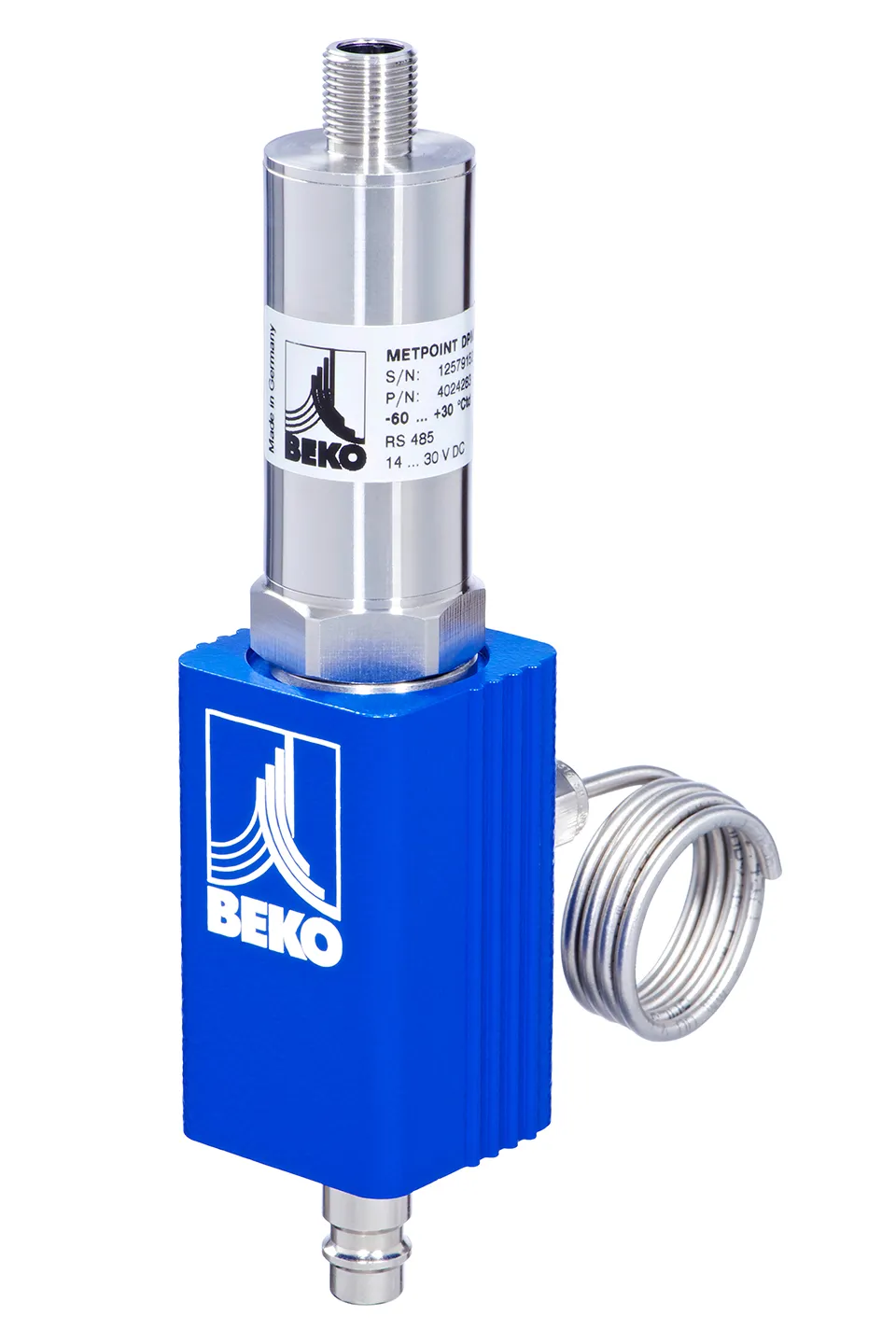
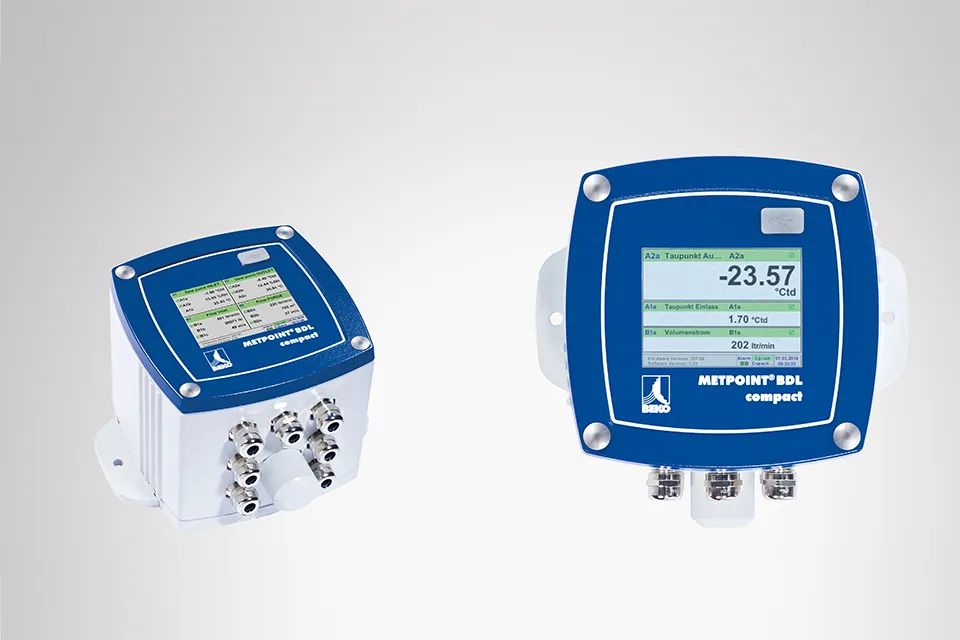
The amount of moisture in compressed air can be monitored using a sensor that measures the dew point. The required value depends largely on the application: while an average value is acceptable for standard industrial use, the food industry needs compressed air to be as dry as possible to prevent bacterial growth. Measurement is essential because the compressed air dryer’s specifications alone are not enough. After all, the dryer can break down or become saturated. Compressor rooms facing south can also become very warm around midday.
Oil and dust particles
Using an oil-free compressor is not enough to generate oil-free compressed air. Although the compressor itself does not use oil internally, the air drawn in from the surroundings can still contain this type of contaminant. Deckers: “If your business is near a motorway or in an industrial estate, there is a good chance that the intake air contains oil particles. A compressor will not remove them, so you need to use a filter or catalyst. Ideally, place it as close as possible to the point of use to minimise the risk of contamination from your pipework. A filter also removes any dust and dirt particles.”
Another misconception is that using food-grade oil absolves users of their responsibility to prevent oil from entering the compressed air. Deckers: “Food-grade oil may only come into contact with food ‘incidentally’, and preferably not at all. Be honest: would you take a sip of this food-grade oil?”
Create your own warning light
On paper, the system is perfect. In practice, various hazards can arise, and they are relatively easy to address. Deckers: “Think of your system like a car: a warning light comes on when action will be needed in the near future. Create your own warning light in your compressed air system by taking the right measurements, helping you prevent unplanned downtime and emergencies.”
A business enquiry for Beko Technologies? Get in touch
Companies in this story

Keep following this
Get an email when a new story is published. No account needed.
- SubjectServices & solutions
- CompanyBeko Technologies