Decentralised automation: the key to flexible and efficient production
Text and images Turck B.V.
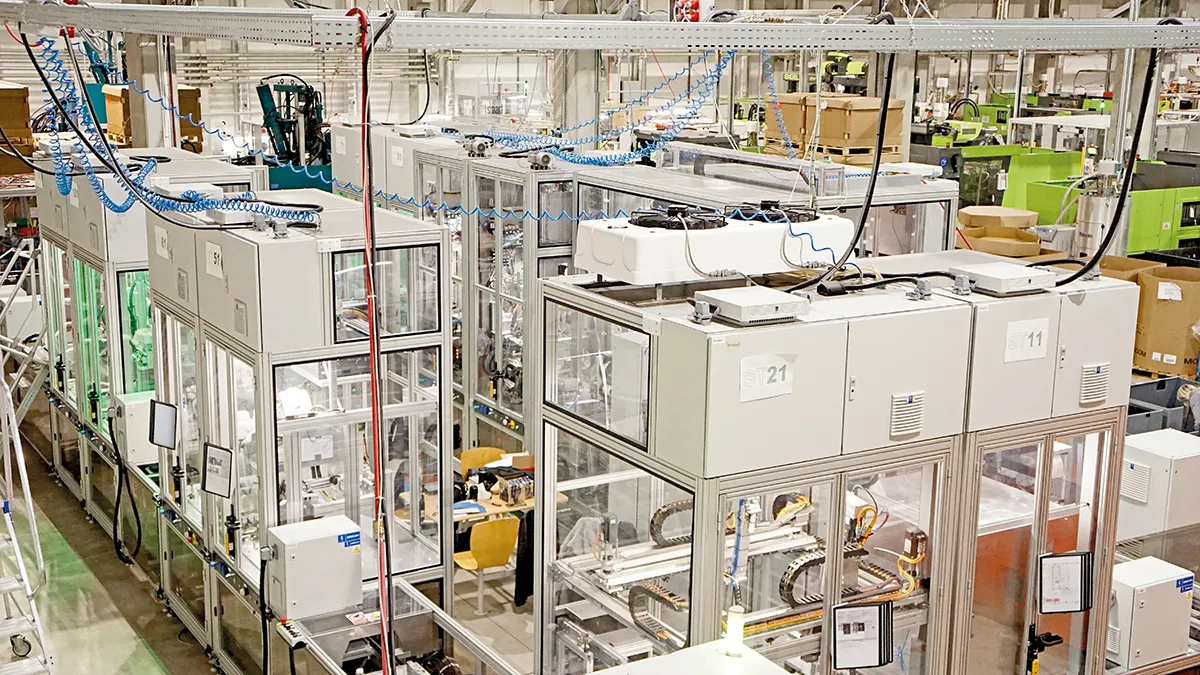
At a time when industrial production needs to become ever more flexible and efficient, decentralised automation offers a powerful response to the growing complexity of modern production lines.
A recent application in the automotive sector shows how a modular system, supported by smart control technology and standardised components, paves the way for future-proof production.
A modular design as the basis for flexibility
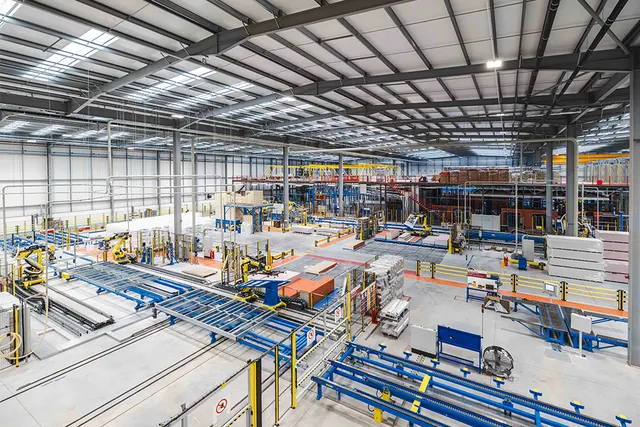
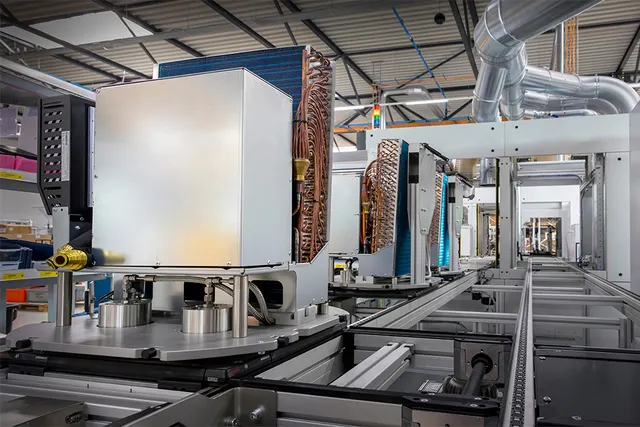
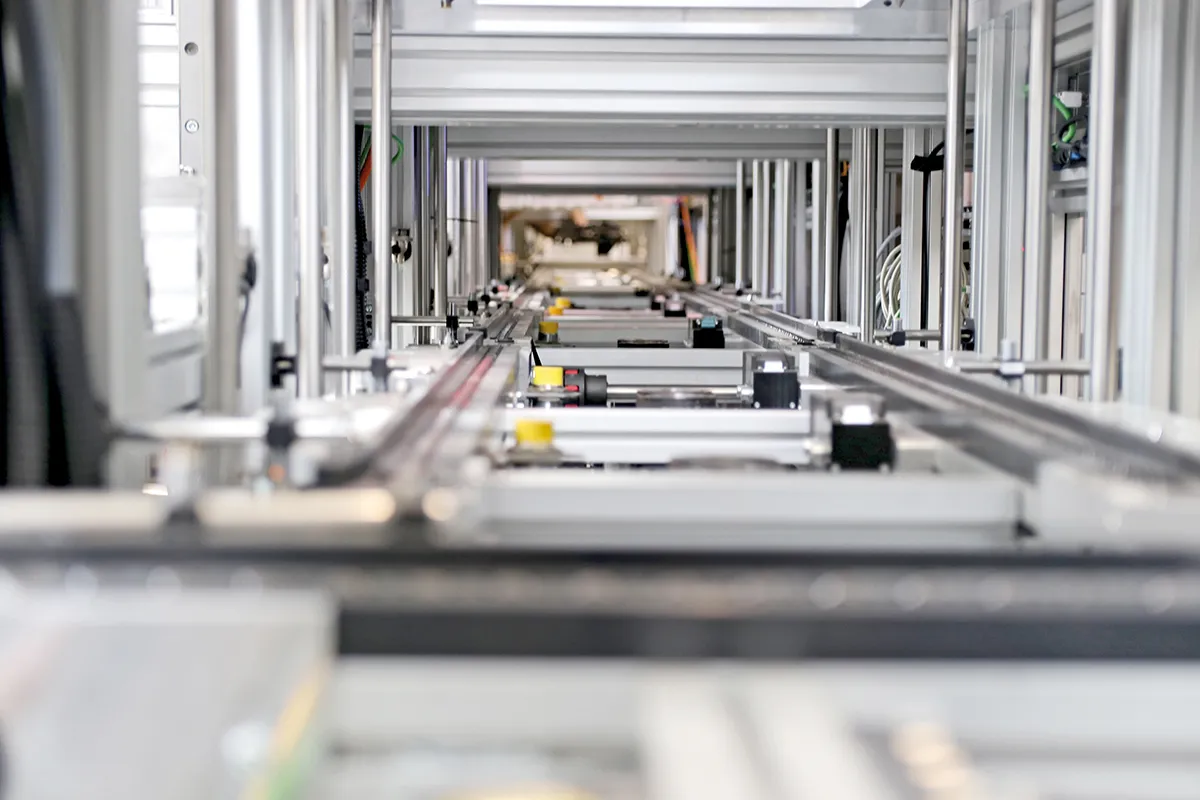
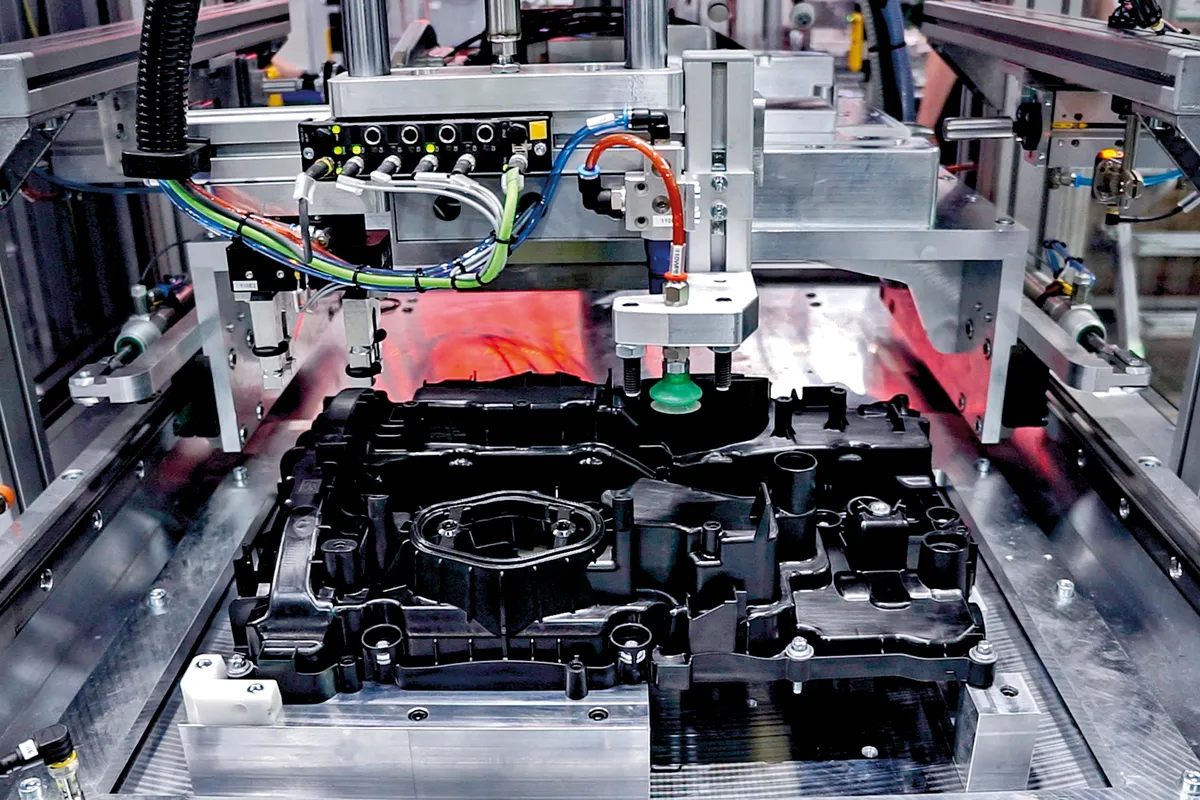
The production line in question is designed for assembling valve covers and consists of several workstations, each comprising three submodules: transport, process and structure. This modular design makes it possible to integrate tasks such as UV laser printing, induction heating, assembly and measurement of aluminium inserts, and robot-based cleaning of rubber seals efficiently. This approach enables manufacturers to respond quickly to changing product requirements without extensive reconfiguration of the line.
Decentralised control: smart and scalable
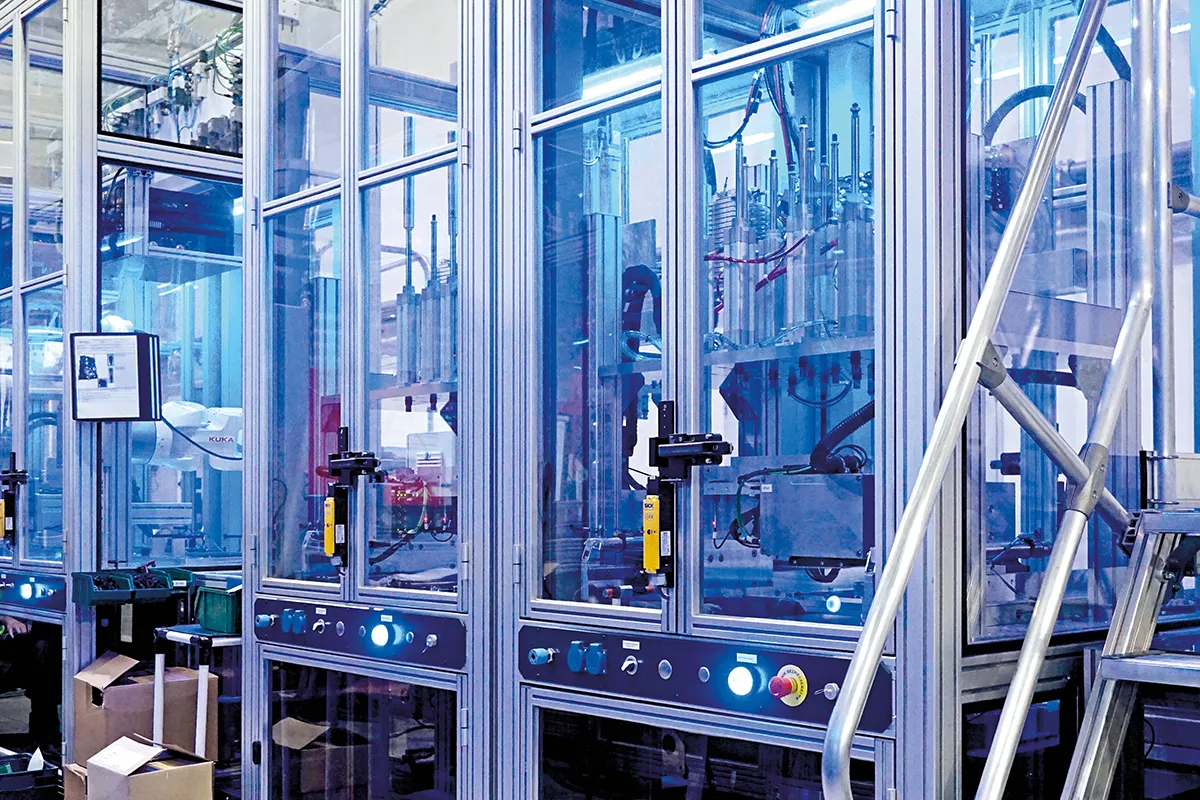
One of the keys to the success of this system is the use of decentralised control. Instead of processing all the logic centrally, control tasks are handled locally by I/O modules with built-in logic. This reduces the load on the central PLC and improves the system’s response time and reliability. Turck plays a crucial role with its BL67 and TBEN series I/O modules, which are equipped with ARGEE, an integrated logic controller that can independently handle small to medium-sized control tasks.
One module for multiple networks
Another key requirement in the design of the line was compatibility with different Ethernet protocols. Turck’s multiprotocol I/O modules offer an elegant solution: they support Modbus TCP, Ethernet/IP and Profinet in a single device. This allows the same modules to be used in a range of network environments, limiting hardware variants and simplifying stock management. This contributes to a standardised, scalable infrastructure.
RFID for full traceability
An RFID-based tracking system was selected for process monitoring. It records all parameters and measurements for each component and stores them in a central database and in the cloud. Turck’s TBEN-S modules and HF read/write devices form the core of this system. This approach not only enables real-time monitoring, but also provides valuable data for quality control and process optimisation.
Plug-and-play cabling for error-free assembly
Cabling is an often-overlooked aspect of complex systems. This project uses pre-assembled cables in various lengths, combined with passive hubs. This plug-and-play approach minimises the risk of errors during installation and significantly reduces assembly time. Here too, Turck offers a broad portfolio of connectivity solutions that contribute to a robust, easy-to-maintain infrastructure.
Smart sensor technology for standardised design
Turck’s uprox series of inductive factor 1 sensors was selected to detect metal parts. These sensors detect all metals at the same switching distance, simplifying sensor selection and standardising machine design. This helps ensure that the line operates consistently and reliably.
Conclusion
Decentralised automation, supported by a modular design, multiprotocol communication and plug-and-play installation, forms the backbone of modern production environments. Technology partners such as Turck make an essential contribution to creating flexible, scalable and future-proof systems with their innovative solutions. For manufacturers looking to respond to dynamic markets, this is not a luxury but a necessity.
A business enquiry for Turck B.V.? Get in touch
Companies in this story

Keep following this
Get an email when a new story is published. No account needed.
- SubjectServices & solutions
- CompanyTurck B.V.