Desmet Engineering and 2TEC2 put their heads together
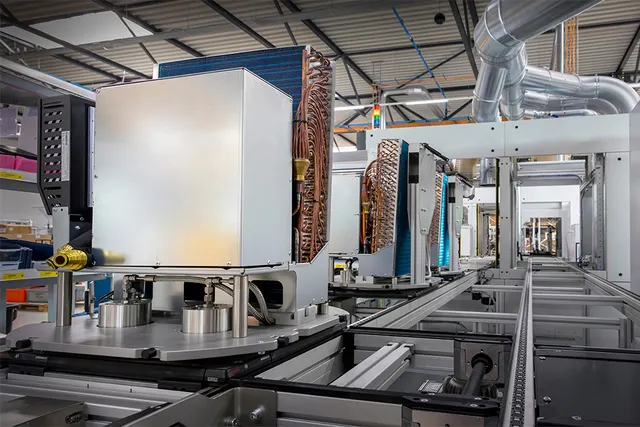
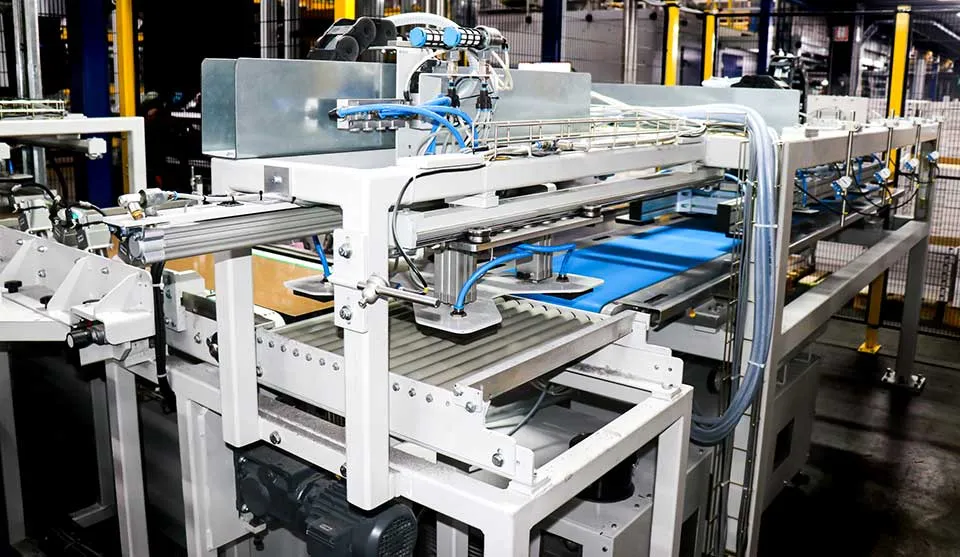
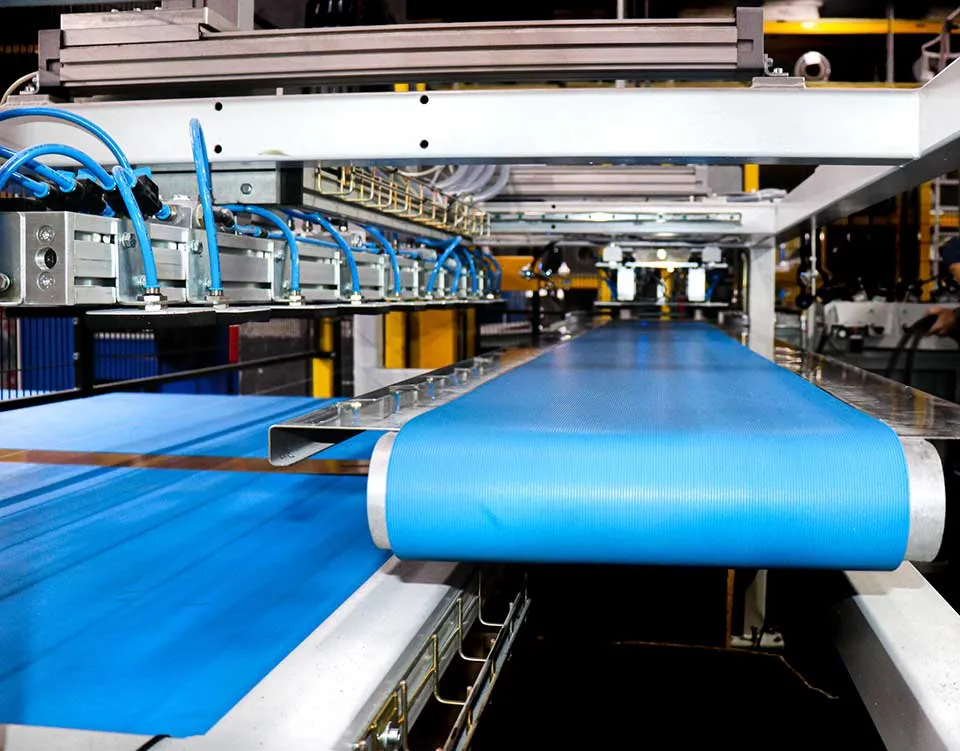
Fibre-removal machine for woven vinyl floor coverings.
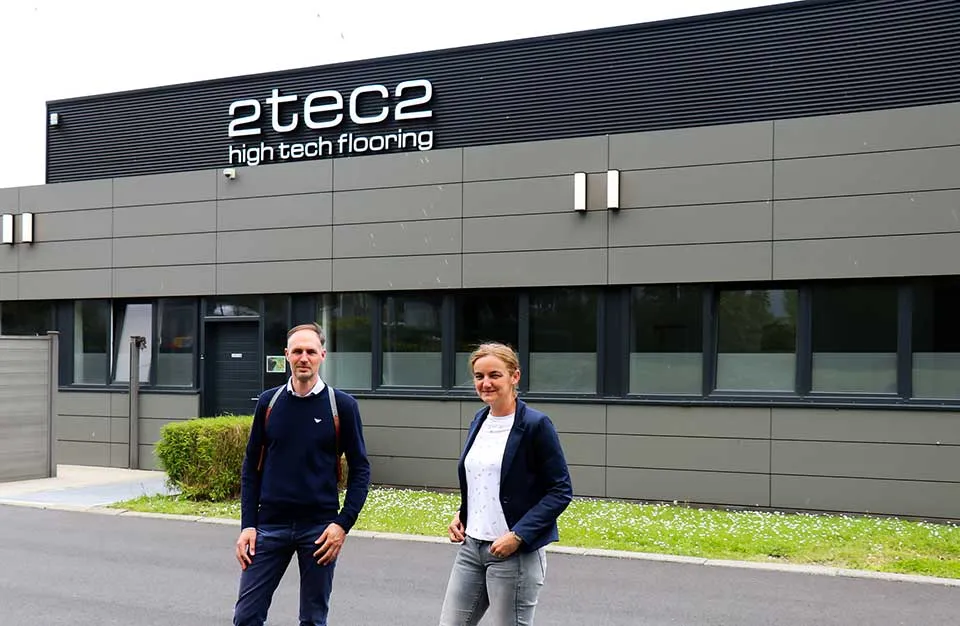
“Desmet Engineering’s open communication, technical insights and problem-solving approach led to an automated fibre-removal machine for our woven vinyl floor coverings.” Thomas Vantieghem, product manager at 2TEC2.
2TEC2
2TEC2 makes woven vinyl floor coverings for the contract market, including offices, retail, hotels and hospitality. This Belgian brand combines the look of textiles with the advantages of a material that is easy to maintain and resistant to wear. 2TEC2 sets itself apart by tailoring its products to customers’ needs and focusing on sustainability. Its range of shapes, colours and patterns offers an almost unlimited number of combinations.
Tailored to the customer
2TEC2 stands out through its bespoke approach. Designing personalised floor coverings using natural products for the high-end market has proved a winning formula. Customers follow a tailored process to achieve a unique, high-quality result.
Sustainability & innovative materials
The unique combination of glass fibre and vinyl delivers superior quality. This durable, impermeable and stain-resistant floor covering meets the strictest European quality criteria and is suitable for intensive use. It is durable, hygienic and easy to maintain, while combining the refinement of a woven product with Comfort Backing acoustic technology. The acoustic backing absorbs the sound of footsteps and turns it into inaudible noise, reducing sound by 70%. 2TEC2 is a pioneer in acoustic woven vinyl flooring.
Fibre-removal machine project: challenges
2TEC2 faced a number of challenges. The first was to clean up the tile by removing the loose fibres from the backing cloth without damaging it. The next was to automate the production process. Finally, the tiles had to be cleaned at a speed compatible with the existing cutting machine.
The COVID-19 situation
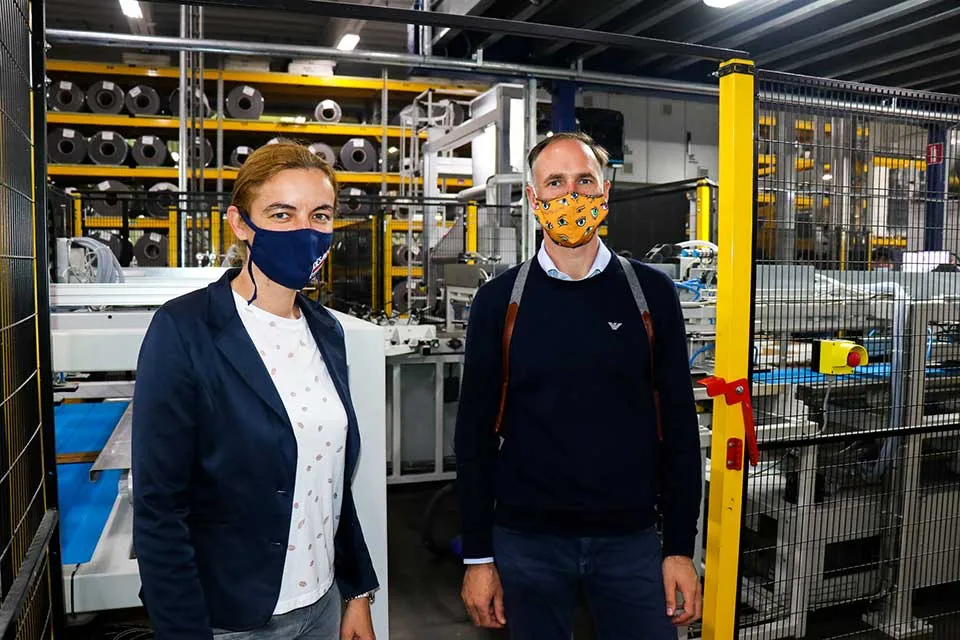
On top of the other challenges, there was the COVID-19 situation. Despite the circumstances, the project went smoothly, says Eveline Eeckhout, project engineer at Desmet Engineering: “Every project is unique to us, which makes it a challenge. In this case, the floor covering is somewhat flexible, so its behaviour can vary. Integrating two types of finish into a new machine linked to an existing one also made this project very interesting. Designing a machine that solves several challenges is not easy, but thanks to the honest communication and in-depth knowledge of the 2TEC2 team, the process went very smoothly.”
Desmet Engineering: the story of a brainstorming process
Since 2TEC2 does not offer a standard product, the company could not opt for a standard solution or technique. It needed a bespoke machine, and therefore a machine builder with the relevant expertise and experience across a range of industries. 2TEC2 decided to work with machine builder Desmet Engineering, based in Ooigem.
According to Thomas Vantieghem, product manager at 2TEC2: “The main reason we are so satisfied with Desmet Engineering is its open communication. The brainstorming and feedback sessions were extremely valuable in arriving at the right solution. As a company, we know where we want to go, but finding a partner that can actually deliver is another matter. We were involved at every stage of the process, which gave us confidence in every decision. It really was a brainstorming process.”
2TEC2 was also able to test the machine for several weeks before it was installed and connected to the existing machine.
A bespoke solution
The existing cutting machine first cuts a 2×2-metre sheet into 16 tiles. The batch of 16 tiles is then fed into the new fibre-removal machine. The machine cleans the tiles one by one in rows of 4, in two stages. First, it cleans the 2 long sides and then the 2 short sides. In the second stage, the tiles are arranged in a row of 4 and then removed in batches of 4 by the operator. The tiles are then packed manually into cardboard boxes.
Thomas Vantieghem says the reason he would recommend Desmet Engineering to others is simple: “The technical expertise Desmet Engineering has in-house. Its commitment to its customers. Its spatial awareness, taking customers’ long-term goals into account. And ultimately, its bespoke solutions.”
Question about this story? Ask your question
Keep following this
Get an email when a new story is published. No account needed.
- SubjectServices & solutions