Efficient creativity translated into a remarkable retrofit
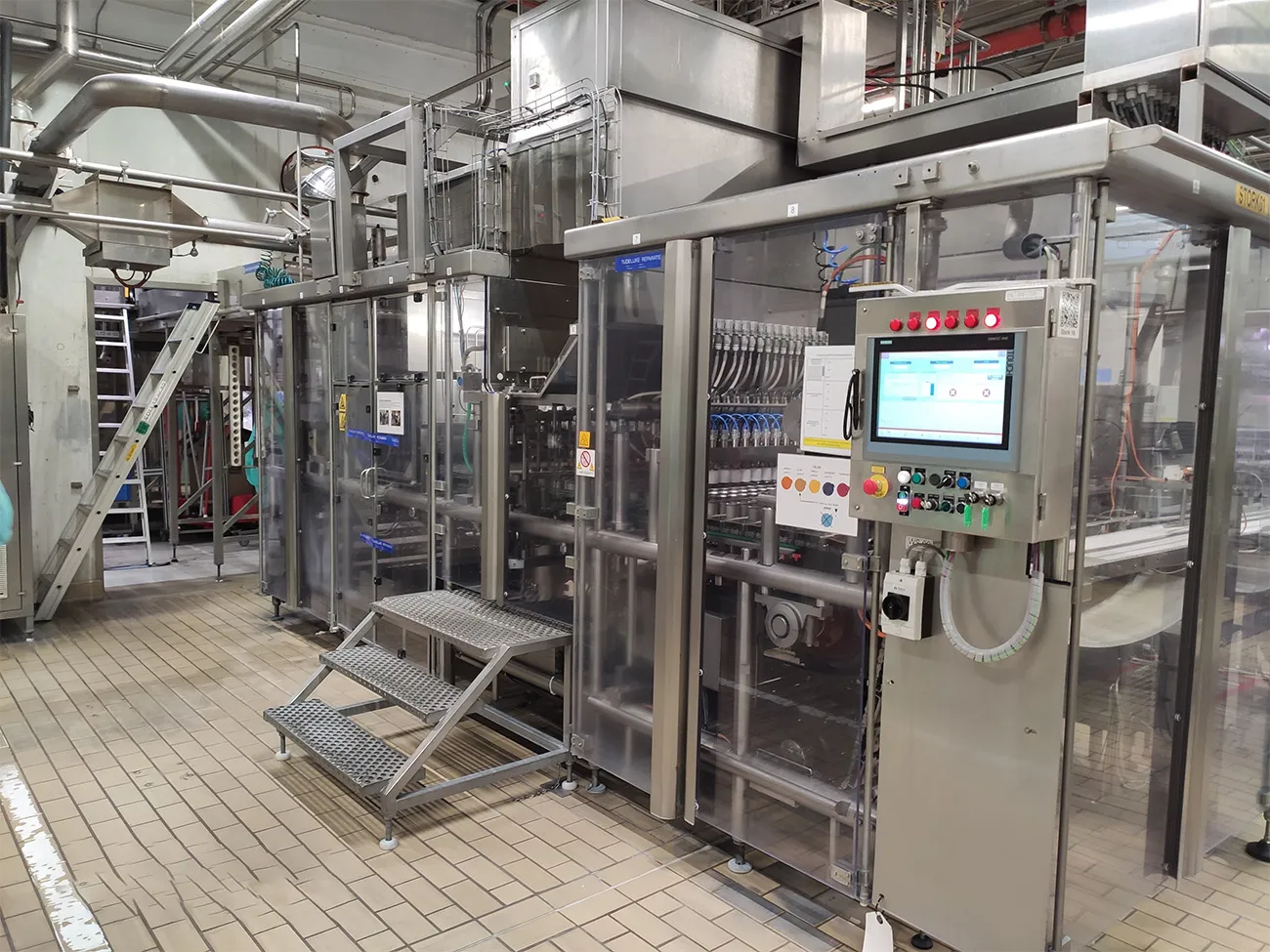
Is retrofit really just about strategically upgrading the controls on a reliable old machine? That is one approach, albeit a very short-sighted one, which overlooks all those cases where the technological benefits were not worth the financial cost. A recent case study by machine builder Vintiv casts retrofit in an entirely new, refreshing light. This time, ergonomics is the key consideration.
The main arguments for a retrofit can be counted on one hand. First, there is the economic reality, which weighs the cost of a new machine against the benefits of extending the life of the existing one. It is a binary question, and the answer is often a very logical ‘no’, because a new standard machine simply does not cost three times as much as an upgrade. The picture changes, however, with some non-standard production machines involving a great deal of bespoke work, where retrofit can prove an excellent solution. Spare-parts issues, often an electronic pain point, are another classic reason for installing an upgraded control system. Companies also opt for major retrofits to improve machine safety. This is hardly surprising, given how safety was handled around 30 years ago and translated into machine technology, in other words through safety doors and emergency stops. Implementing additional safety measures to meet current standards, however, is no longer a minor undertaking. The machine’s control circuit has to be modified, and the hard stops of old, which were intended to bring the machine abruptly to a halt, are now completely out of the question. Another argument for retrofit is making a machine independent of the operator. This helps safeguard continuity and knowledge transfer within the company, while also allowing the machine to adjust itself, manage periodic maintenance and even diagnose and respond to problems automatically.
Vintiv’s Danone case study
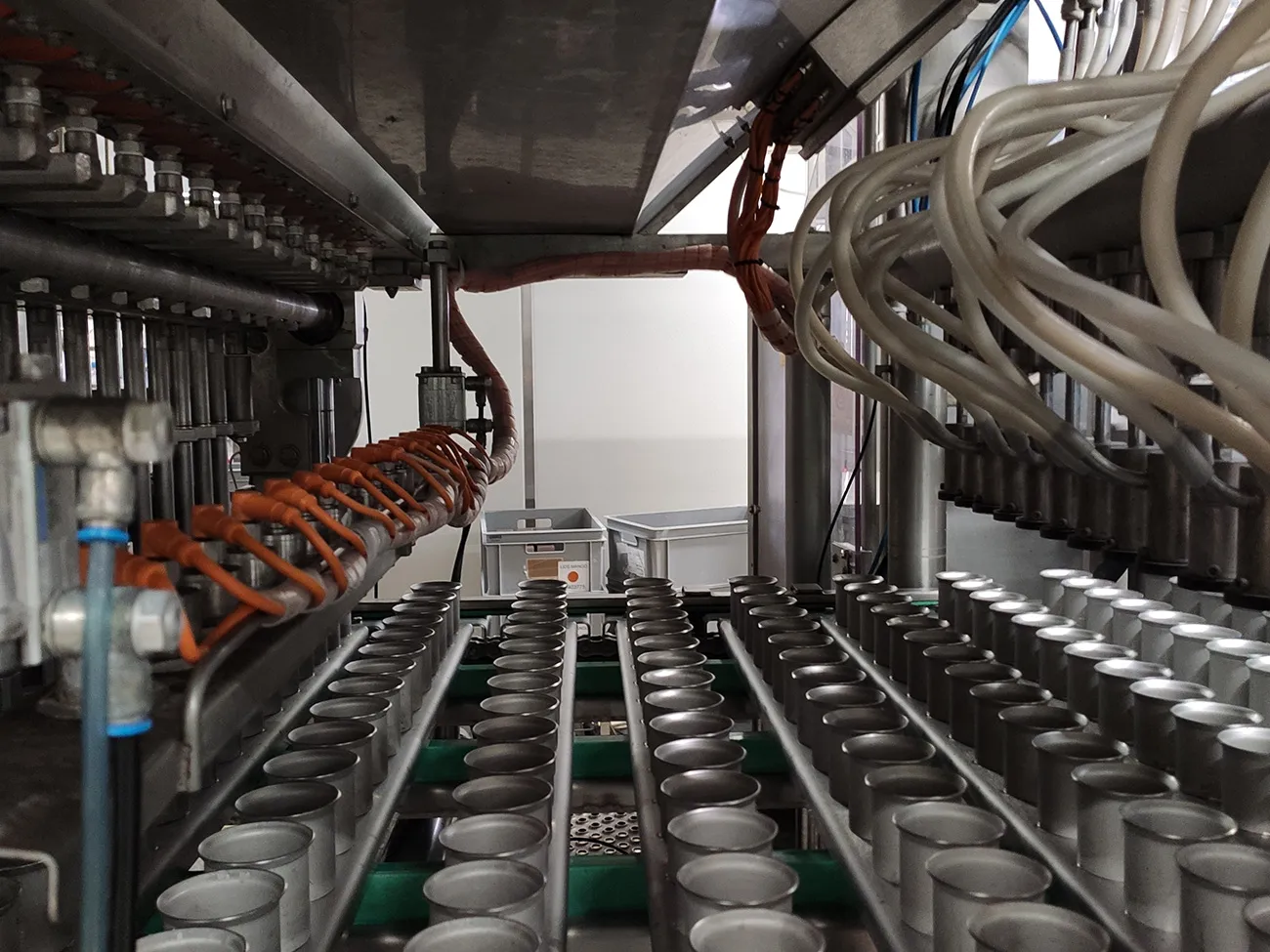
There are clearly a variety of reasons for opting for retrofit, but when Danone called on Vintiv to modify a machine, the rationale was anything but commonplace. The request arose from an ergonomic need. The company wanted to expand its Actimel product line with a dairy-free variant and initially turned to its standard supplier to expand its filling lines. The supplier saw only one viable option: a completely separate, new production line. However, Danone’s site in Rotselaar did not have the space required. This led the customer to consider running both products on the same filling line. Vintiv validated the idea technically, drawing inspiration from a carousel principle already in use at Danone. It was a feat of engineering, as the many constraints made this no small challenge. Joris Ceyssens, director of Vintiv: “There were several restrictions, relating to food safety, minimising downtime and, of course, ergonomic freedom. The entire modification had to fit within the existing machine footprint.”
Solution inspired by an existing installation
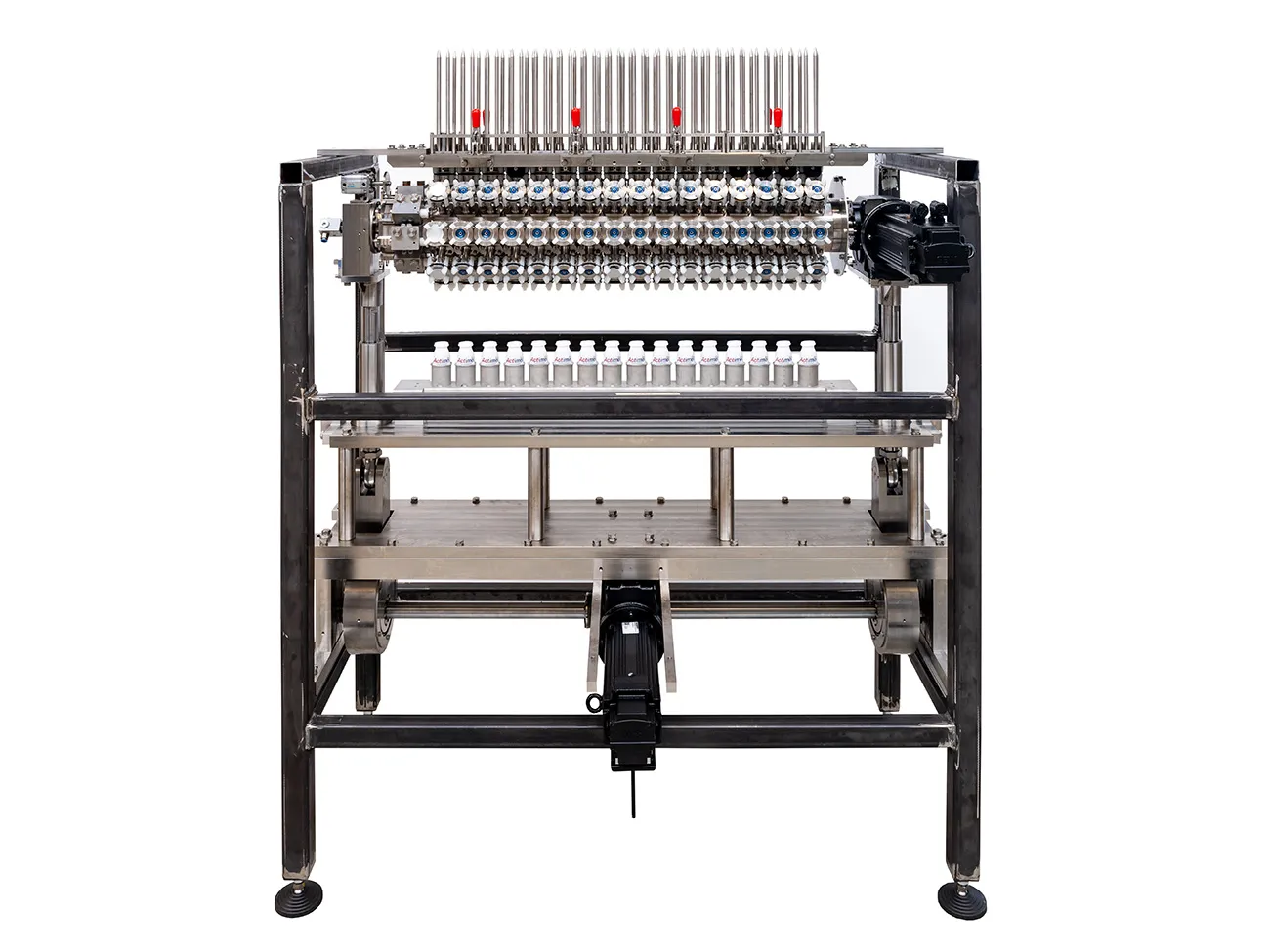
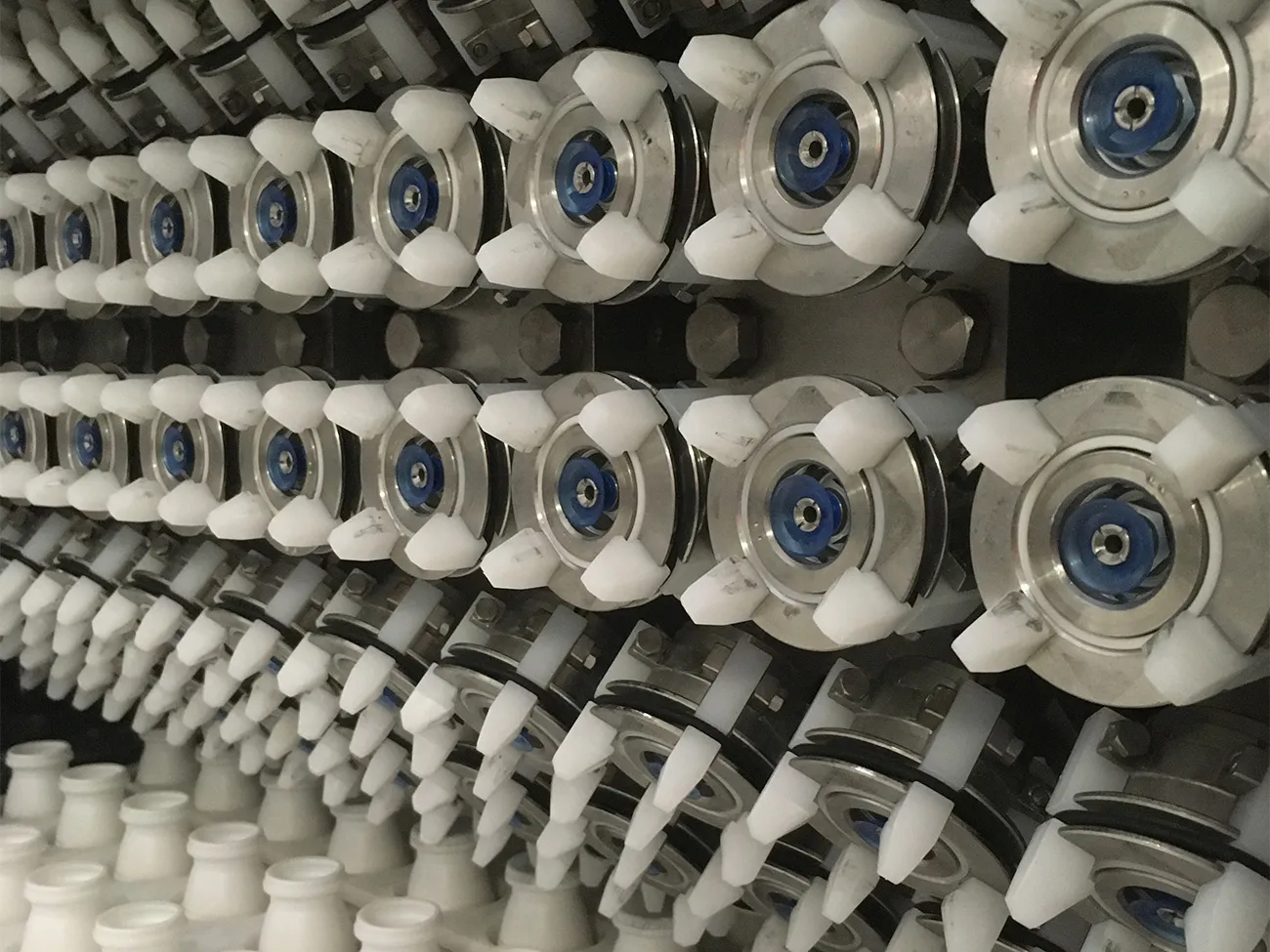
Vintiv built a functional setup in its own workshop, matching the dimensions of the existing filling line. Ceyssens: “The conventional filling line was cam-driven and sequential, carrying out the various steps one after another. We found a solution in another installation at Danone, which operates on a carousel principle. Eight radial stations operate around a central, servo-controlled manifold under vacuum, so that three steps now take place in a single movement. Centring the pot, placing the lid and pressing it down all happen at one position within the machine. This made it possible to add a carousel to the existing line for the plant-based product, while the rest of the machine processes the dairy-based product. Thanks to a creative yet efficient retrofit, the customer now has a dual production system within the same machine footprint.
Question about this story? Ask your question
Keep following this
Get an email when a new story is published. No account needed.
- SubjectServices & solutions