From automation to AI: the next step in industrial digitalisation
Text and images Getac Technology Corporation
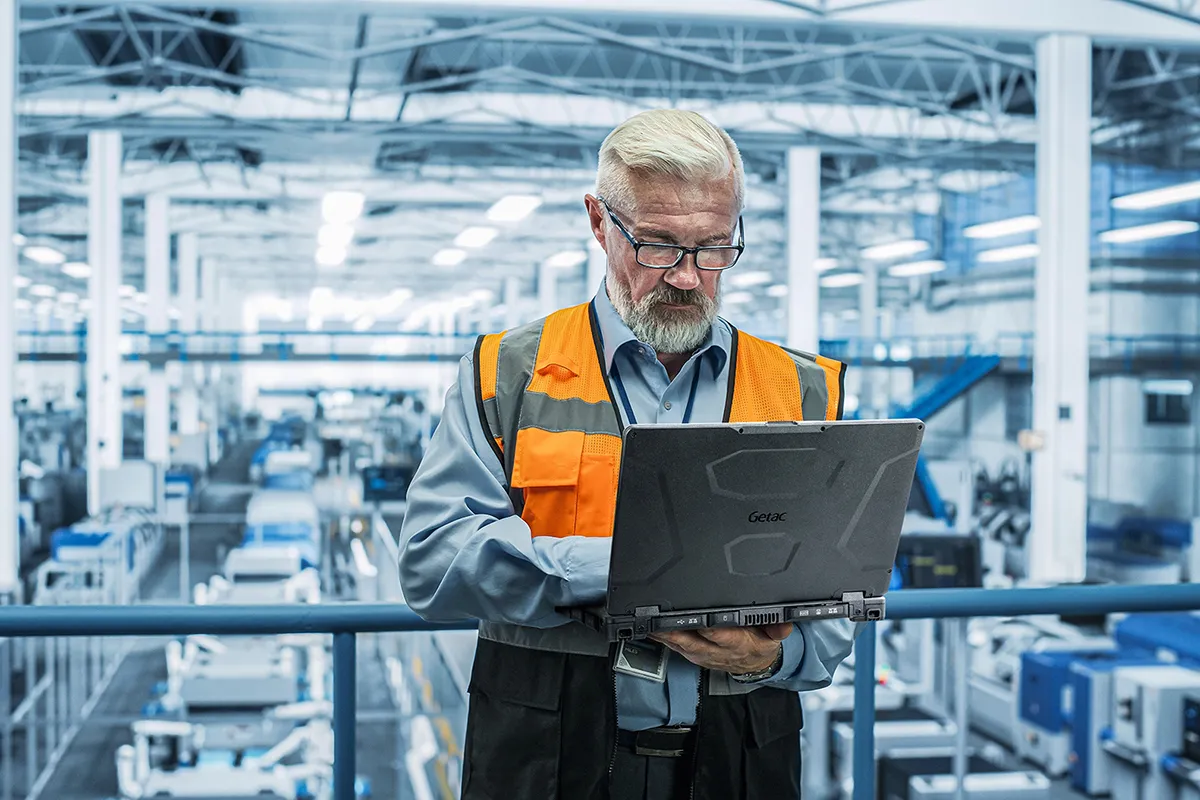
Industry is entering a new era of automation. The convergence of information technology, artificial intelligence (AI) and the Industrial Internet of Things (IIoT) is fundamentally changing how companies produce, maintain and make decisions. What began as a series of digital optimisations is now evolving into a complete redesign of industrial processes, from data flows to decision-making. Getac works closely with companies in manufacturing, utilities, logistics and field services, and is seeing a number of clear trends emerge.
From isolated islands to connected ecosystems
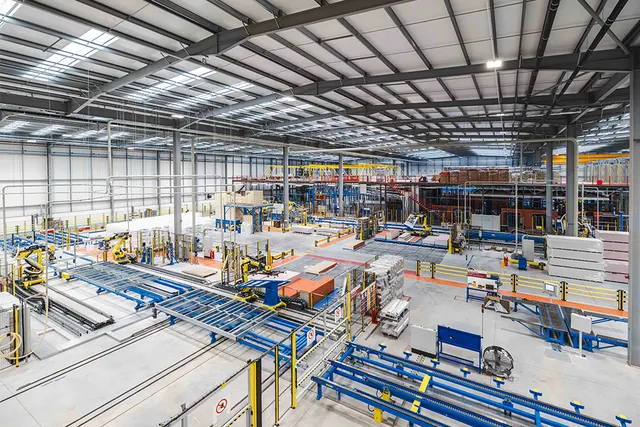
Where operational technology once relied on separate controllers and local decision-making, an integrated network is now taking shape in which sensors, machines and people continuously share data. This creates an environment where predictive maintenance, dynamic resource management and rapid incident response become the norm. At the same time, reliability and security are more important than ever. In a data-driven factory where every device can be an access point, both hardware and software must be designed for resilience from the ground up.
Edge computing as a strategic foundation
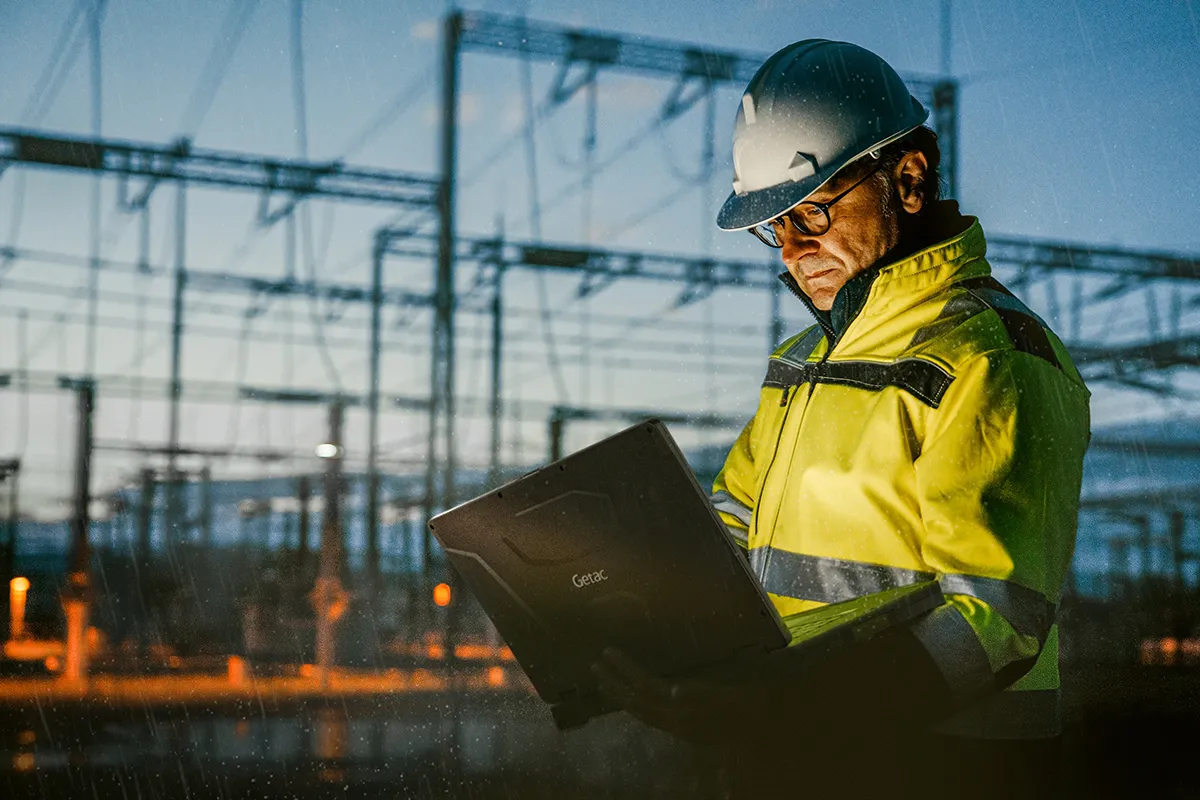
The next step in digitalisation is taking place at the edge of the network. By bringing computing power and intelligence closer to the source, AI models and analytics can run locally. This keeps processes running even if connectivity is temporarily lost. It calls for industrial devices that combine power, energy efficiency and reliable connectivity with a rugged design. The Getac UX10 fully rugged tablet is a good example: designed for harsh conditions and equipped to perform on factory floors, in distribution centres or in the field.
Cybersecurity and interoperability
As digital networks become increasingly interconnected, pressure to strengthen security is also growing. Many industrial systems were not designed for encrypted and authenticated data flows. As a result, defence in depth, secure boot and endpoint lifecycle management are now considered fundamental principles. Interoperability is also becoming increasingly important. Open standards and data models such as MQTT, OPC UA and DDS make it possible to scale without becoming dependent on closed systems. Open standards offer many benefits, but without clear guidelines for management and use, systems can grow chaotically. Discipline is therefore essential to maintain network integrity.
People remain key
Technological progress only has value if people can make the most of it. Many sectors are facing a shortage of experienced technicians. IoT platforms make it possible to share expertise remotely, carry out real-time diagnostics and guide field workers in challenging or hazardous environments. This boosts not only productivity, but also safety and knowledge transfer, which is crucial now that experienced staff are leaving faster than they can be replaced.
Thinking in lifecycles
Investing in IT and IoT calls for a long-term vision. Reliability throughout the entire lifecycle, supported by secure software updates and modular maintenance, determines the true value. By combining rugged hardware with strong data engineering, companies can reduce downtime, improve scalability and increase the return on their digitalisation initiatives.
Looking ahead
Digital transformation is no longer a pilot project, but the foundation of modern industry. Successful companies bring rugged hardware, edge intelligence, secure connectivity and structured data engineering together in a single integrated strategy. Getac’s experience shows that companies embracing this holistic vision can respond to change more quickly, make better-informed decisions and unlock new forms of value from their industrial assets.
Question about this story? Ask your question
Keep following this
Get an email when a new story is published. No account needed.
- ThemeFrom factory data to decisions
- SubjectServices & solutions