Key considerations when retrofitting machines
Text Valérie CouplezImage iStock
The do’s and don’ts of machine retrofitting
A new machine on the shop floor: for engineers, it is a little like getting behind the wheel of a new car and breathing in that distinctive smell. But new is not always better. Sometimes it simply makes more sense, financially and operationally, to upgrade an existing machine and bring it up to the latest technological standards. In other words, retrofit it. This article explains some of the considerations when choosing between a new machine and retrofitting an existing installation.
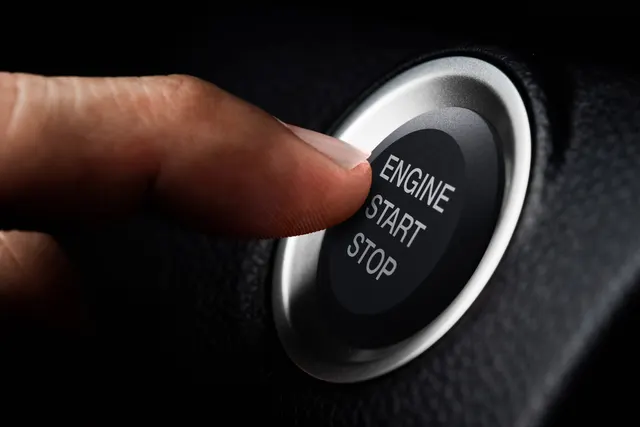
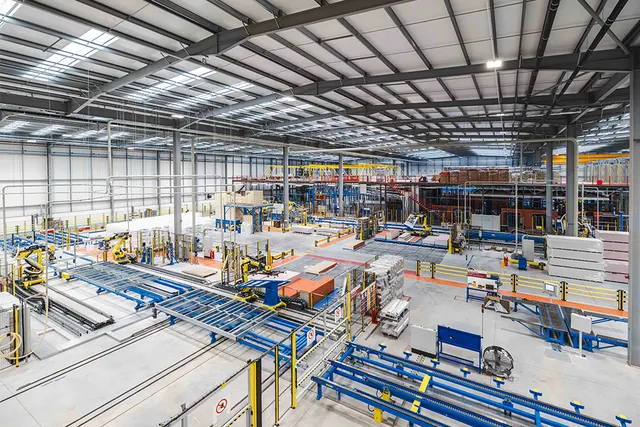
Where did industry get the idea of retrofitting? The comparison in the introduction was no coincidence, as car manufacturers have been doing this for years. They retain the foundations of a particular model, while equipping the new vehicle with the latest technology to improve performance, engine efficiency and safety. Industry is now taking the same approach. And there is a good case for it, not only because it usually costs less to invest. We certainly would not go so far as to say that everything was better in the past, but the mechanical foundations of machines are often virtually indestructible. It is the control system that tends to become outdated first. Sometimes an upgrade is simply required when a product is phased out. A retrofit can also preserve the machine’s footprint. That means you do not need to find extra space in production, and everything around it, such as cabling and cabinets, can stay where it is.
Think beyond today
What you gain depends on what you want to achieve. In principle, there is no limit to improving efficiency, integrating new functionality or optimising operation, in terms of energy consumption, ergonomics, safety and more. The key is to build a solid business case. At the end of the day, the investment must pay off, even if it costs less than a new machine. So think long term. It will take some engineering to bring your machine up to date. There is usually more to it than replacing the motor with a more energy-efficient model. The drive system may already be more economical, but have you also considered the benefits of adding a variable frequency drive? And how you can easily extract data for monitoring? Make sure the changes can stand the test of time for at least a decade, that spare parts remain readily available and that, after the retrofit, staff can operate the machine just as easily, or even more smoothly.
Technical challenges
Unfortunately, nothing in life happens by itself. Retrofitting also brings technical challenges. Can all the new components be fitted? Can the existing technology being retained be connected more easily to today’s technology? For some machines, it may only be possible to add a limited amount of intelligence. Alternatively, it may require additional modifications, sensors and interfaces, and above all, extra time. The engineers working on your retrofit project will rarely have been involved in building the original machine. They will first need to familiarise themselves with its more complex internal mechanisms before they can make the improvements you have in mind.
Production modifications mean production downtime
But if you think it through carefully, a successful retrofit can bring your machine fully into the 21st century and tailor it precisely to today’s and tomorrow’s production processes. Do bear in mind, however, that every modification will involve some downtime. The machine or line you are upgrading will therefore be temporarily out of production. A second limiting factor is the machine’s mechanical condition. If it is too worn, a new machine will often be the better choice.
Question about this story? Ask your question
Keep following this
Get an email when a new story is published. No account needed.
- SubjectServices & solutions