Maximise your revenue with a smart consumables business model
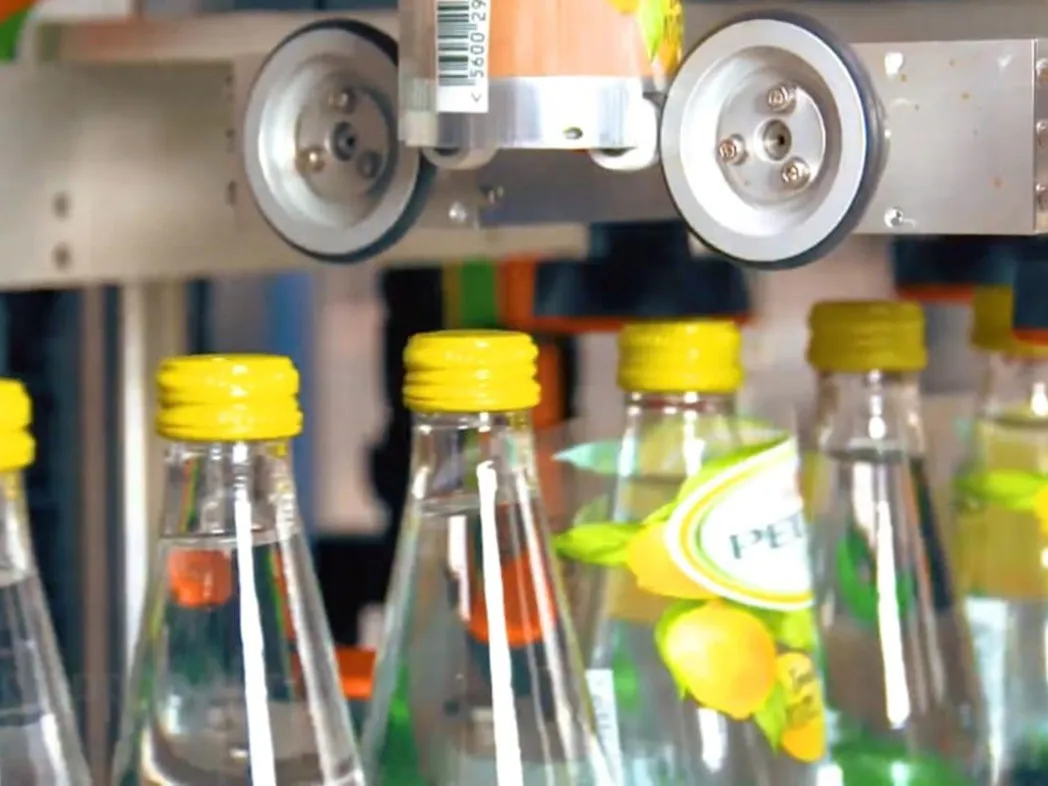
Digital services are expected to account for 20% of machine builders’ revenue within 5 years. Looking for a strategy to expand your market and maximise revenue streams? Consider a new business model in which you supply your own consumables.
If your machines depend on consumables, it may be worth considering offering your customers a business model based on smart consumables. By supplying your own consumables, or better still, selling machines that sell consumables, you can minimise machine downtime and generate additional product revenue.
Proactive maintenance with smart consumables
What are smart consumables? Smart consumables are non-durable goods and products used up during the operation of your equipment. They use cloud technology to monitor stock levels and alert you when supplies are running low. Smart consumables are most commonly used in the printing and packaging industries. Examples include cartridges, plastic bags and bubble wrap used in boxes to protect goods. If these consumables are out of stock or fail to meet specifications, they can cause unnecessary machine downtime, leading to lost productivity and higher costs for your customers.
Admittedly, not all machines offer this opportunity for machine builders. Selling consumables is probably not an option for standard machine tools such as CNC lathes or milling machines. But there may be opportunities here too, such as with tooling, lubricants and so on.
Have you ever considered shifting from reactive to proactive maintenance with smart consumables services? Make your own consumables and optimise them for your machines, so you can take the burden off your customers by replenishing their supplies before they run out. This means they no longer need to hold large stocks or worry about running out.
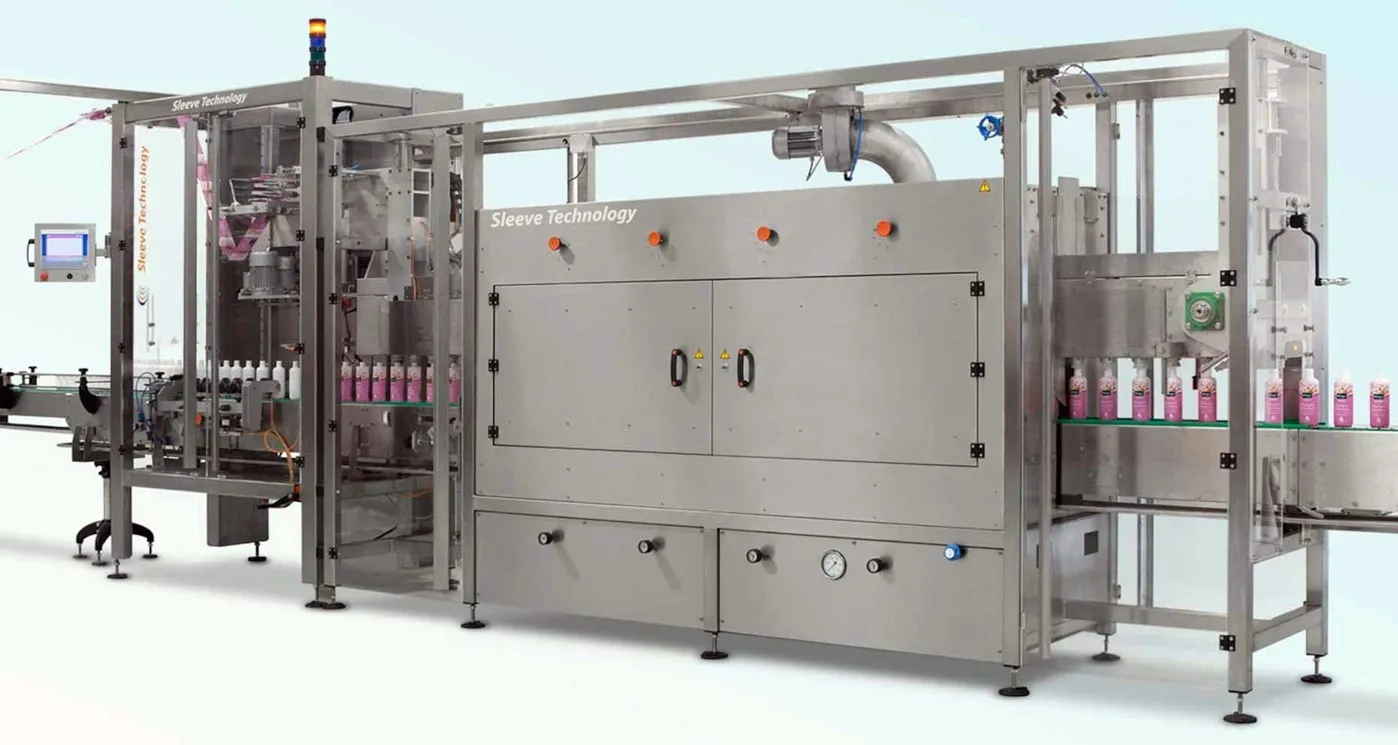
Boost your profits with this new business model
Producing your own smart consumables benefits not only your customers, but you as a machine builder can also gain significant advantages, making it well worth considering.
Produce consumables optimised for your own machines and tailored to your customers’ quality requirements, or better still, sell machines that sell consumables. This minimises wear, extends equipment life and reduces downtime. This can lower costs for your customers and improve their production efficiency.
By offering fulfilment of your own smart, predictive consumables as a digital service, you can provide a unique competitive offering with high margins and recurring revenue streams. Customers no longer buy their consumables from an external supplier, but from you. That is because you offer a complete solution, with optimised consumables for the machines they use.
Use case: smart consumables in the packaging industry
Imagine how you could help your customers replenish their consumables by supplying your own. For example, you could produce plastic bags to protect goods in packaging and monitor when supplies are running low.
Use cloud technology to shift from reactive to proactive services. Receive an alert when a customer has used 80% of their consumables and make sure they receive more through automatic delivery. This takes the burden of managing consumables off their hands.
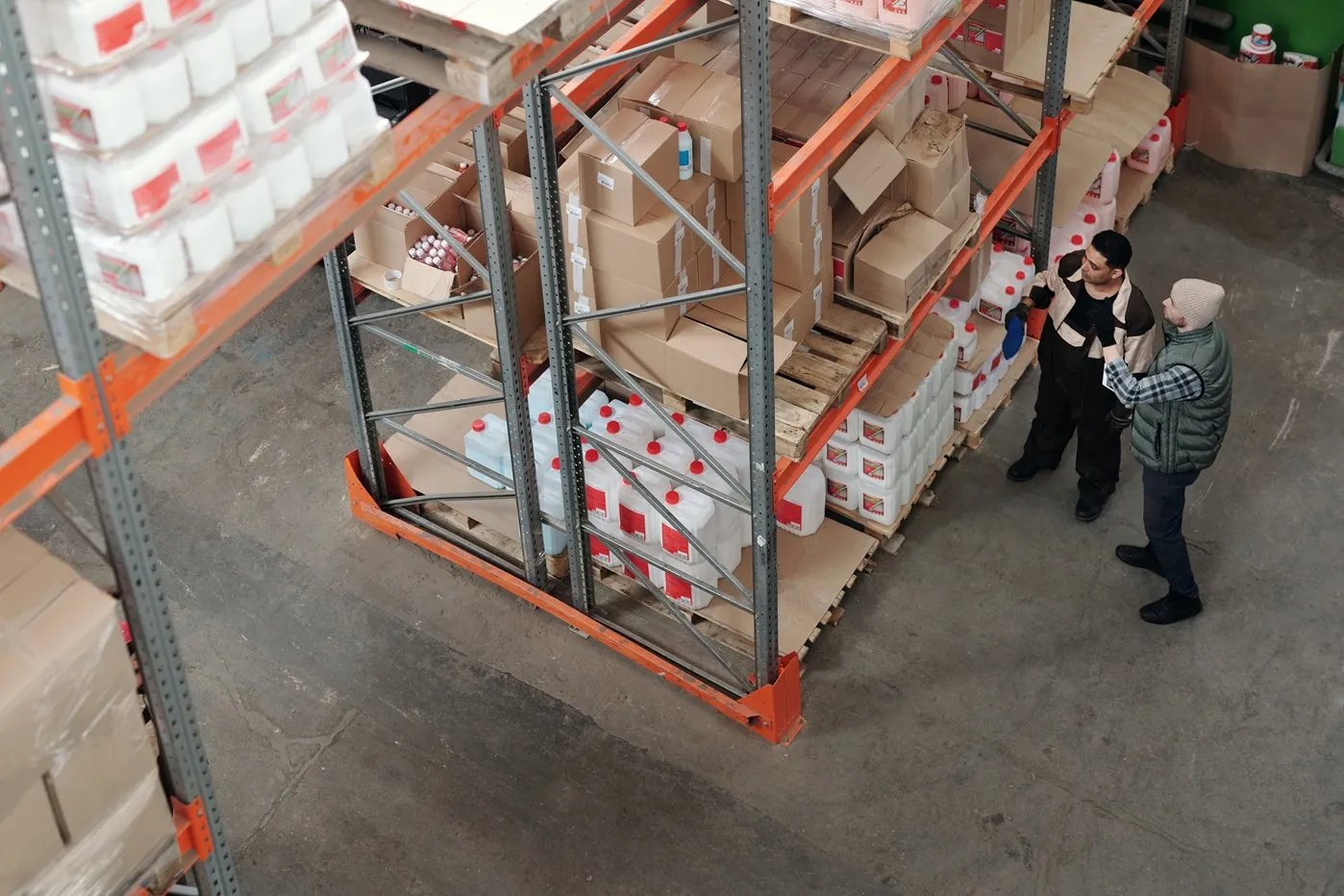
Would your customers be interested in a service that monitors their consumables and delivers them just in time?
Developing a smart consumables strategy
Are you considering selling consumables for use with your own machines? Then it is time to develop a strategy for this new business opportunity. The list below may provide some inspiration:
1) Starting point: current consumables usage and data requirements
The first step is to analyse current consumables usage, identify which consumables cause machine downtime and determine what data needs to be captured. Analyse the correlation and causality between consumables quality and stock levels. Some data will show a clear correlation and causal relationship between standard PLC variables and external ERP systems.
2) Prototyping and testing
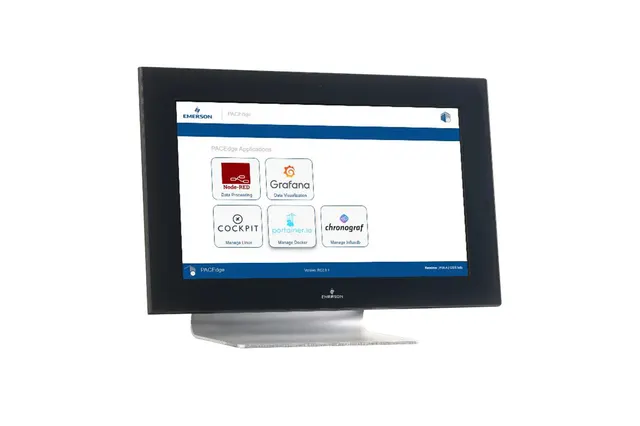
Carry out internal tests on pilot setups using the consumables in question to strengthen or disprove the hypothesis. The next step is to plan strategically when to capture data using sensors or PLC parameters. This data can be collected via an edge gateway and stored in the cloud for analysis and proactive alerts. Data from the field and the analysis can help validate the model and the potential business model.
3) Rolling out the business model
Determine how to deliver the added value to customers most effectively to increase satisfaction and revenue. Ask yourself whether this is simply a way to increase revenue and add an after-sales service offering, or whether it can also help differentiate your machines and services from the competition. What value does it deliver to end users? Can you use value selling and find an attractive price point for this service?
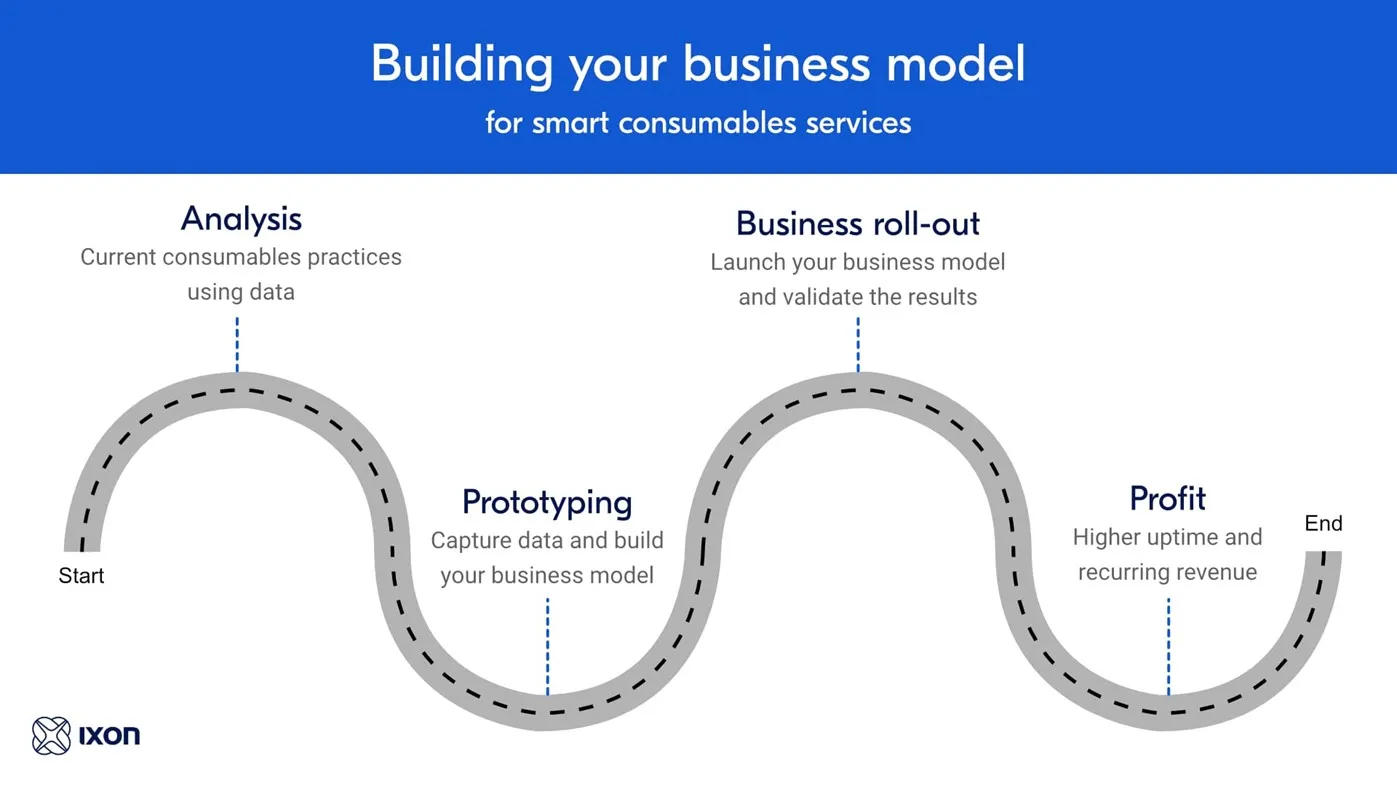
Consumables service: higher uptime and recurring revenue
Want more satisfied, profitable customers? High-quality consumables and a consumables replenishment service can help you guarantee higher uptime for your customers while benefiting from recurring revenue streams. A win-win for both of you!
If you need help deciding whether and how a consumables strategy would work for your business, feel free to contact one of our industry experts, with no obligation.
Question about this story? Ask your question
Keep following this
Get an email when a new story is published. No account needed.
- SubjectServices & solutions