Software, IT, OT & cybersecurity
A refined user interface is much more than an upgrade
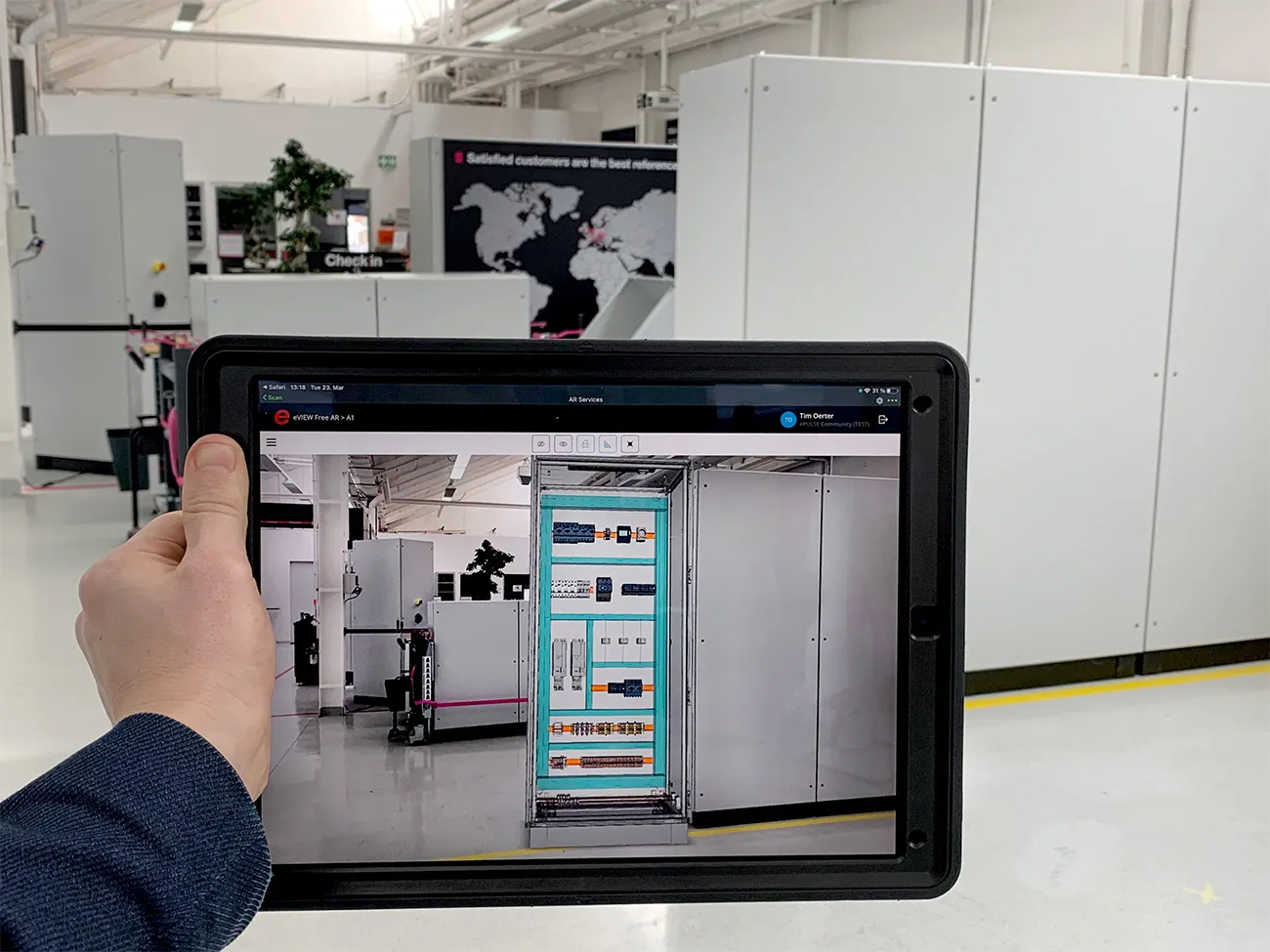
EPLAN’s engineering software gains a host of improved user benefits with its brand-new Platform 2022. Or rather, ‘gained’, since the new version has been available since September. The new user interface opens up entirely new design horizons for both established and new users.
EPLAN has now been around for 30 years, providing an engineering package for the detailed design of electrical schematics. With its new release, the company has done away with the traditional version numbers, such as 2.8 or 2.9, and opted instead to use the year, in this case 2022, as the basis. Here are five interesting applications that typify EPLAN Platform 2022:
1. A clear ribbon structure
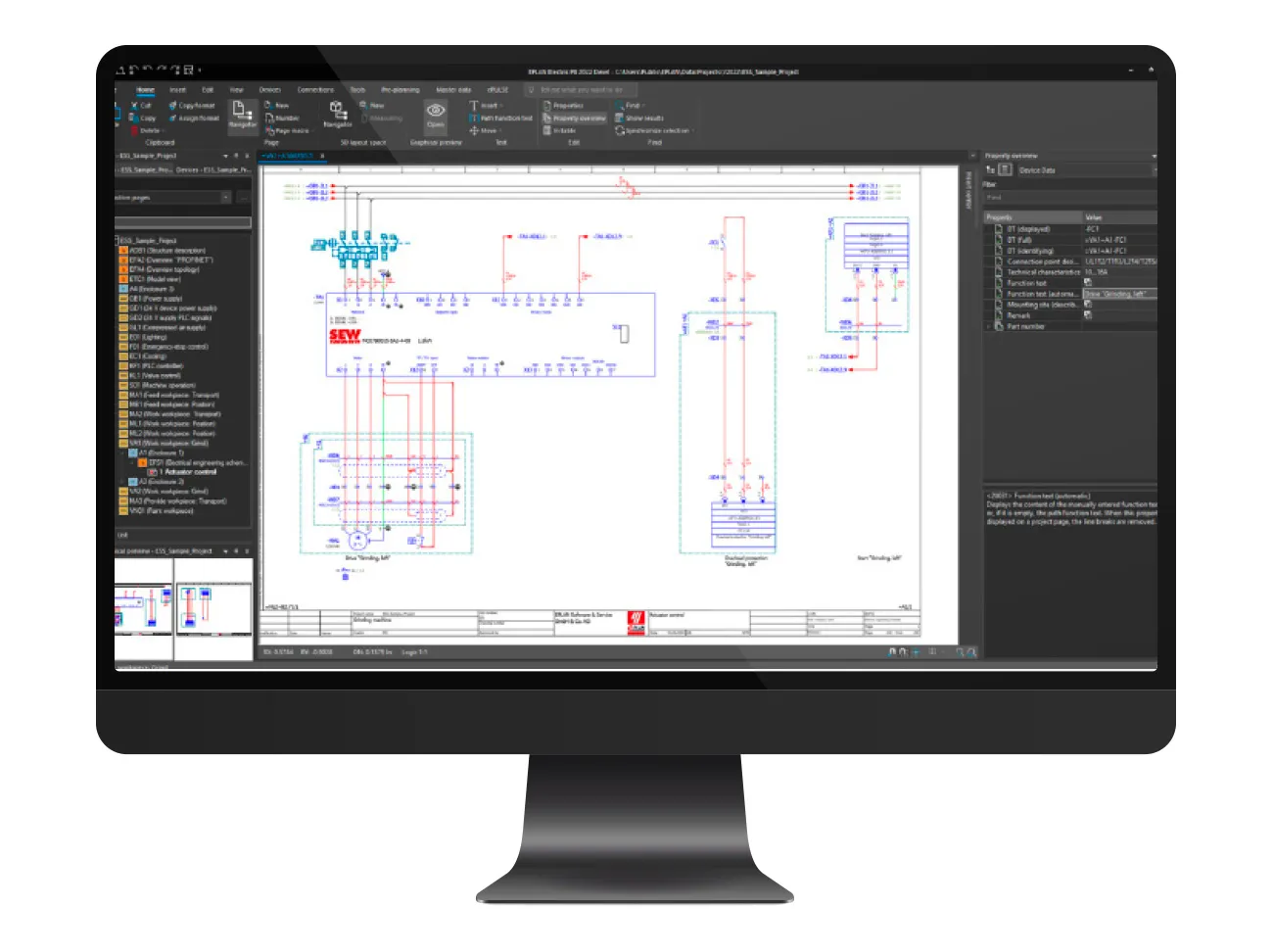
Following the familiar MS Office standard, the interface is now simpler and more transparent. Access to frequently used, important functions is easier, with the software guiding users intuitively. The ribbons themselves are also dynamic and adapt to whichever graphical editor is active at the time.
2. The InsertCenter
Always accessible from the graphical user interface, the InsertCenter brings together devices, symbols, macros and other design tools available in EPLAN, so they are no longer scattered across different menus. Components can be found quickly using familiar terminology, and tagged and grouped according to tasks. The ‘Favourites’ tool lets you save your most frequently used components for later reuse.
3. Centralised parts management
The new technology behind parts management gives users greater flexibility and a clearer overview. This is particularly important in the international market. For example, a vertical schematic produced in Europe looks completely different from the horizontal version used in the US. Centralised parts management now makes it possible to create both variants. Users can also quickly make bulk changes to parts using an external list, such as one in Excel. Data can be assigned to parts much more comprehensively too: components can now contain multiple macros for each variant, because all the component properties are linked to the variant.
4. Integrated cloud applications
EPLAN has been investing for some time in cloud applications that run on a server and can be accessed through a standard browser. With the new platform, these applications are now seamlessly integrated. In practice, this means users will not notice when a cloud application is being accessed as part of their project. Cloud functionality is important for communicating project changes and feedback to customers or colleagues. This can be done using EPLAN’s eMANAGE, a storage space for projects that can also be shared with external partners.
5. The subscription model
As it offers an increasing number of cloud-based applications, EPLAN has had to rethink its licensing policy. On 1 August 2021, it therefore opted for a subscription model. This change of direction also benefits customers, as it avoids the upfront investment cost, leaving only an operating cost. Another advantage is the flexibility to adjust the number of licences to meet requirements. Customers can also trial additional features on an annual basis without having to make a substantial investment.
Question about this story? Ask your question
Keep following this
Get an email when a new story is published. No account needed.
- SubjectSoftware, IT, OT & cybersecurity