Software, IT, OT & cybersecurity
AI makes smart maintenance even smarter
Text Marjolein de Wit-BlokImage Pixabay
Artificial intelligence is no silver bullet, but it can be useful in maintenance
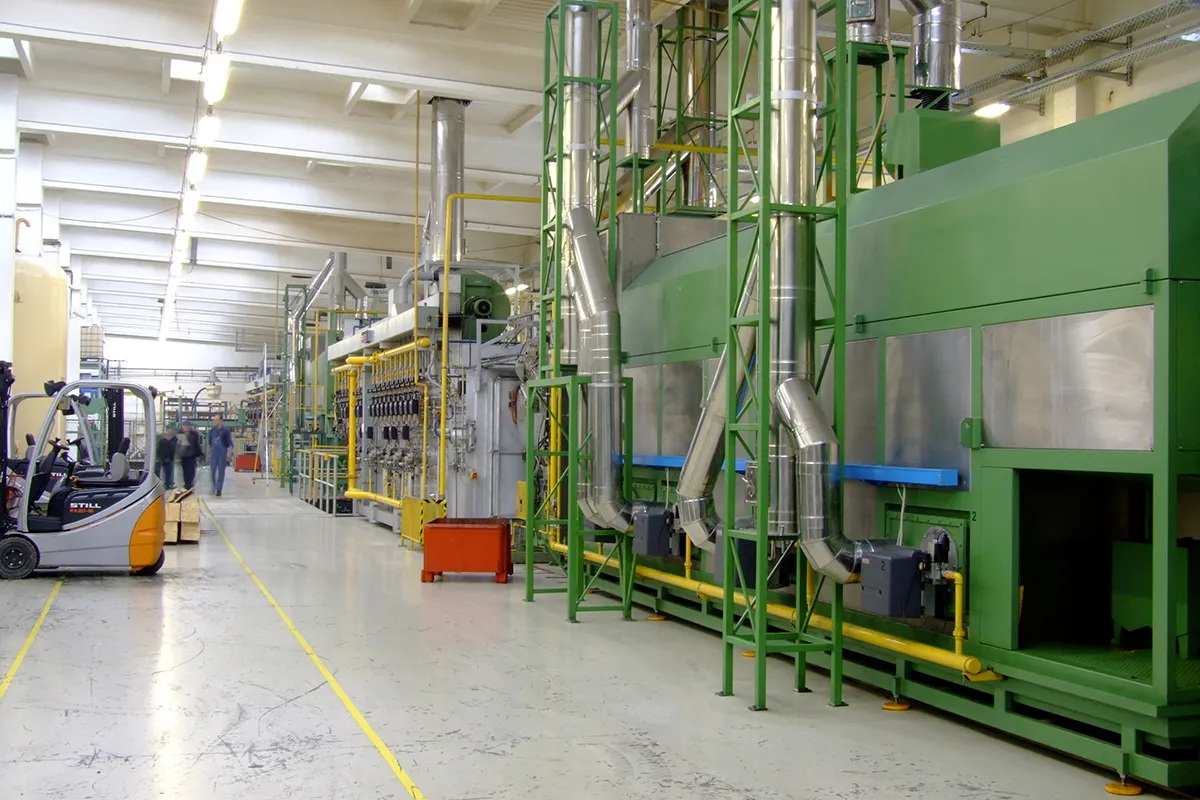
Maintenance has evolved from corrective firefighting to a stage where maintenance needs are predicted as accurately as possible: so-called smart or predictive maintenance. Artificial Intelligence (AI) adds further value. It provides real-time insights and learns by itself, making it possible to train the predictive algorithms needed to make reliable forecasts in less time. For the maintenance sector, this means another efficiency gain and an extra tool for spotting and tracing faults earlier.
The English term Artificial Intelligence translates into Dutch as ‘kunstmatige intelligentie’ (artificial intelligence). It is based on an algorithm, a kind of formula, that can adapt itself based on data. When it makes a prediction that turns out to be wrong, it makes a small adjustment on its own so that it can reach the right conclusion next time. This makes it possible to develop a reliable algorithm relatively quickly, without large volumes of failure data. The processing power of today’s computers is essential for processing all real-time data quickly and identifying (complex) relationships across large datasets.
Benefits
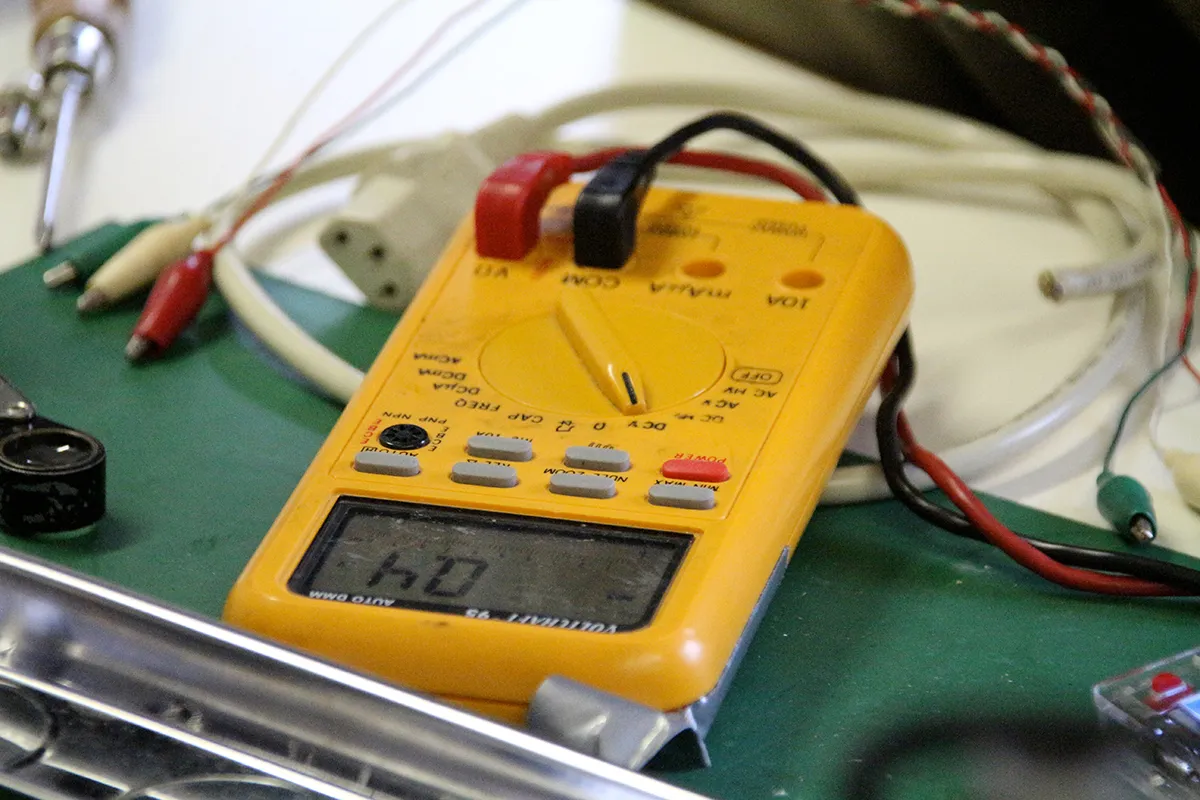
A key benefit for maintenance is that a machine or installation can analyse itself and, to a certain extent, make decisions autonomously. AI is also focused on the literal ‘here and now’. Its ability to process and assess large volumes of data in a short time enables AI systems to provide real-time insights into the condition of a machine and its maintenance needs. Their high accuracy also makes it possible to identify failures with increasing precision and at an earlier stage. Information about the underlying cause and location is then available too. So the alert is not simply ‘something is wrong’, but could say: ‘The component dimensions are approaching the tolerance limit. The tool at position 8 will need replacing within four weeks’.
However, self-learning also has its limitations. Unlike earlier ‘neural networks’, which were fed rules created by people, AI systems often contain no explicit rules written by humans. This makes it difficult to trace an error in an AI system back to its cause. So-called ‘biases’ can also arise. A bias is a systematic deviation from reality. In the case of human intelligence, it might be called a prejudice. In AI, biases arise when systems reinforce certain patterns they have recognised. If a pattern occurs repeatedly by chance, reinforcing it is unjustified, and the system starts to show anomalies that can be difficult to eliminate.

No silver bullet
Finally, it is best not to treat AI as a ‘silver bullet’, but rather as a powerful ‘tool’ that does not need to be used everywhere. If a simple, familiar solution also meets the need, it may simply be the best option. In all cases, keep thinking critically and take cybersecurity into account.
Question about this story? Ask your question
Keep following this
Get an email when a new story is published. No account needed.
- SubjectSoftware, IT, OT & cybersecurity