Software, IT, OT & cybersecurity
Bringing the virtual and real worlds together
More flexible and powerful machines and systems require not only more comprehensive control programmes, but also increasingly complex development processes.
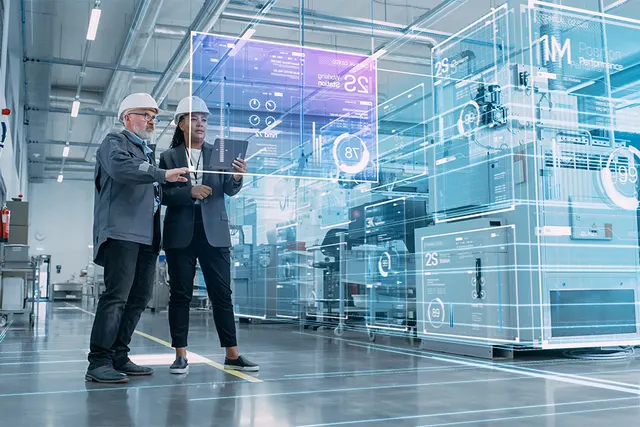
Digital technology is already helping to address these challenges, and its benefits will grow even greater in the future. Lenze offers integrated tools and services for the entire lifecycle to simplify processes, reduce costs and minimise the time and resources spent on engineering. Digital engineering offers enormous potential to improve efficiency in machine building, especially when the right course is set early on.
Modularisation has proved its value in machine development, as proven functional units can be reused rather than designed from scratch each time. Machine manufacturers and users benefit throughout the entire lifecycle, from system design, programming and commissioning to spare-parts storage and logistics. The key prerequisite for reusing information from previous projects is that it is available in a standardised format. This is where the digital twin, also known as the administration shell, comes in. It provides a digital representation of physical components and machines and serves as a central repository for all relevant information.
Modern design tools
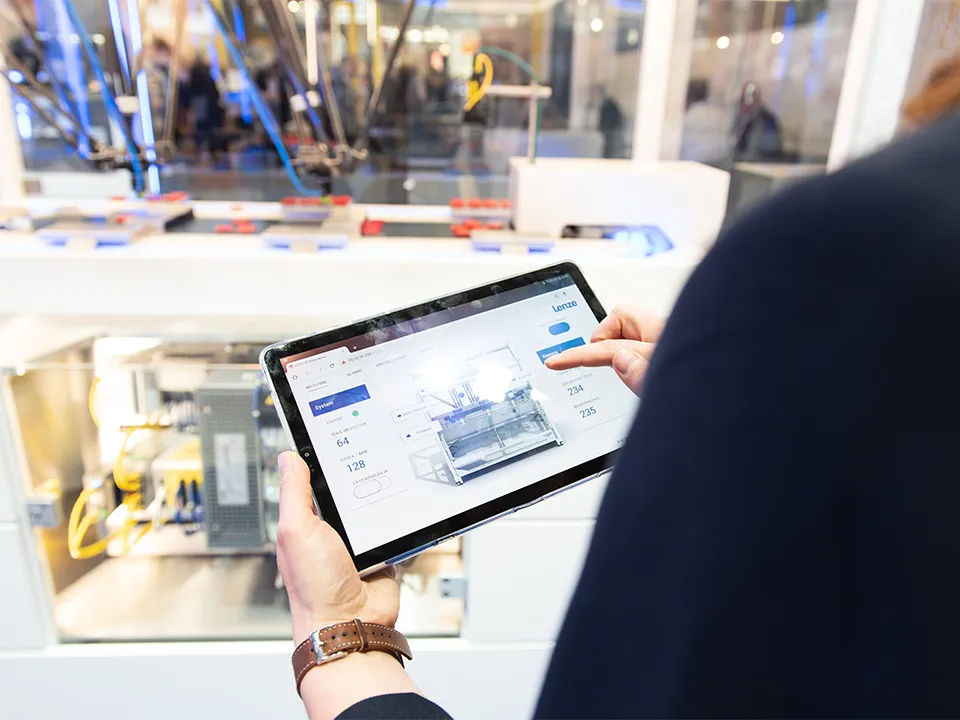
With its apps and tools, Lenze is already putting this concept into practice and making an important contribution to consistent data use. One of the key tools for digital engineering is EASY System Designer, which covers the initial technical stages, from the idea and design through to detailed development. This web-based tool enables everyone involved in the planning process, across different disciplines, to plan complete automation solutions, from the controller through to the drive technology, including the required application software. Using built-in intelligence, the tool checks the feasibility of the system solution and documents everything needed by those involved in the engineering process. This saves valuable planning time, shortens the decision-making process and reduces project risks.
Preparing the PLC programme
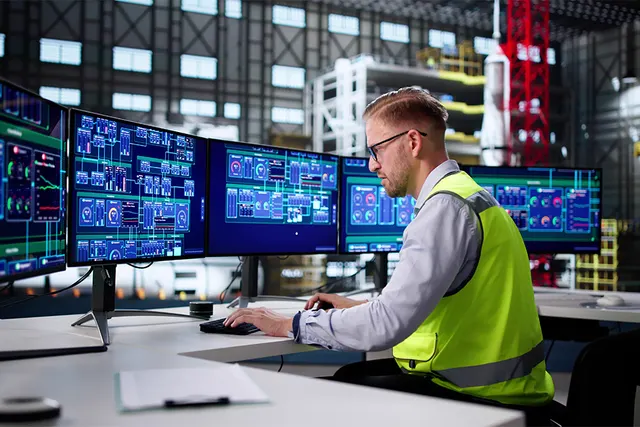
A PLC programme can then be prepared based on the planned system solution. The machine structure, selected hardware components and software modules, as well as application parameters and other relevant project data, are available to the programmer in their engineering environment. This enables them to complete the PLC programme more efficiently and get the machine up and running much faster. The information generated and collected in the digital twin remains available in subsequent lifecycle stages. Suitable interfaces also provide access to third-party tools for simulation and virtual commissioning. These options make it possible to detect and correct errors in the development process sooner, significantly reducing the time required for delivery and commissioning.
A central building block of digitalisation
The digital twin has made its way into practical applications and provides tangible support in industrial automation. With its single point of information approach, standardised data model and data access, it also provides the basis for using cloud services to help optimise production processes, including the intelligent evaluation of drive operating data, which makes additional sensors unnecessary. Finally, it increases the flexibility of systems, where entire production modules can be exchanged easily using Plug & Produce.
Question about this story? Ask your question
Companies in this story

Keep following this
Get an email when a new story is published. No account needed.
- SubjectSoftware, IT, OT & cybersecurity
- CompanyLenze