Software, IT, OT & cybersecurity
Towards a more flexible and sustainable industry
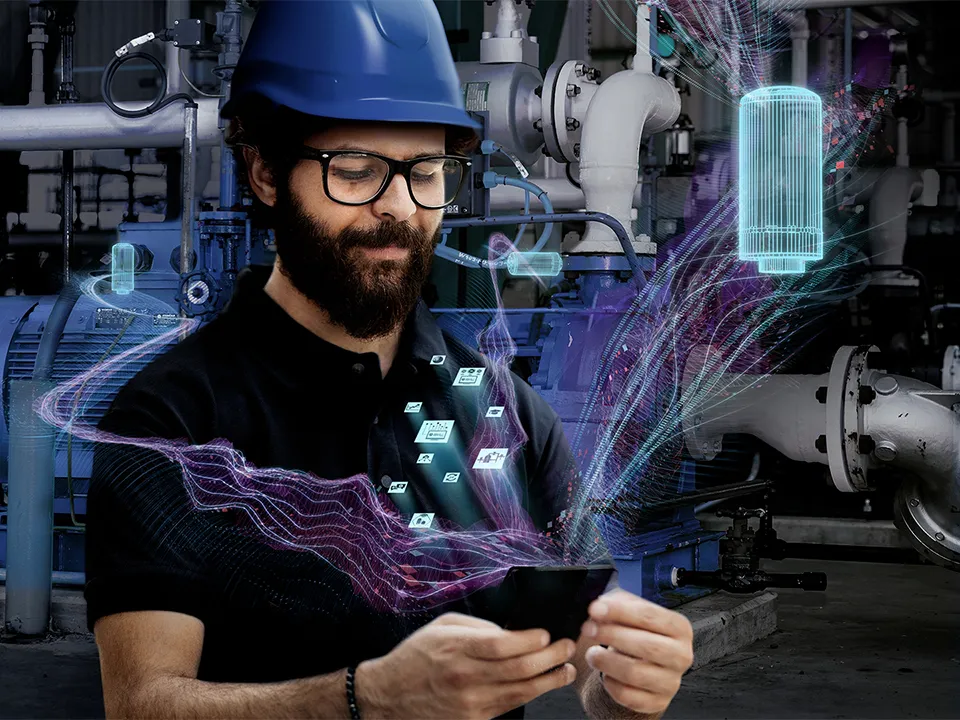
‘Infinite possibilities thanks to infinite data’. This was the motto under which Siemens showed at Hannover Messe 2021 how the convergence of the real and virtual worlds gives industrial companies the means to operate flexibly and sustainably.
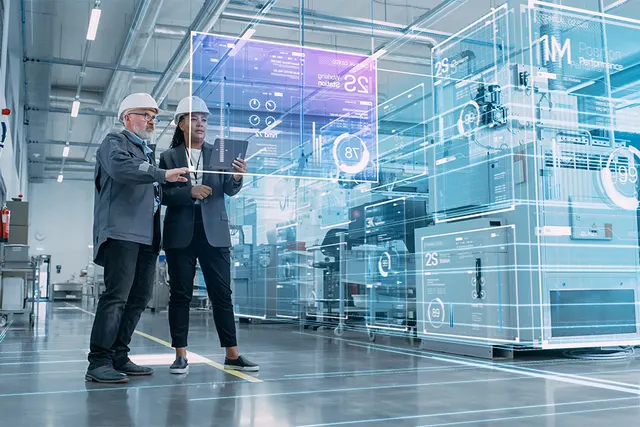
To tackle the after-effects of the coronavirus pandemic, growing demand for customised products and the need for greater sustainability, we will have to turn to digitalisation and automation. Siemens brings all the data together in a continuous cycle that connects the virtual and real worlds. Out with silos, and on to a better understanding and use of data.
“In recent years, more and more data has become available at an ever-increasing pace. This makes it clear that digitalisation has no finish line. It is more like the start of an infinite loop. Companies capture data, learn from it and take the next step,” explains Cedrik Neike, member of the Siemens Managing Board and CEO of Siemens Digital Industries. “In manufacturing, this makes an infinite source of knowledge available, one that we are not yet making full use of. Everyone involved in manufacturing can benefit from this potential, from production sites with a long history to brand-new ones where the first pixel has yet to be planned.” With its Digital Enterprise portfolio, Siemens supports customers in this area. Digital twins and the use of future technologies such as artificial intelligence enable customers to respond quickly and flexibly to global challenges.
Fast and reliable connections
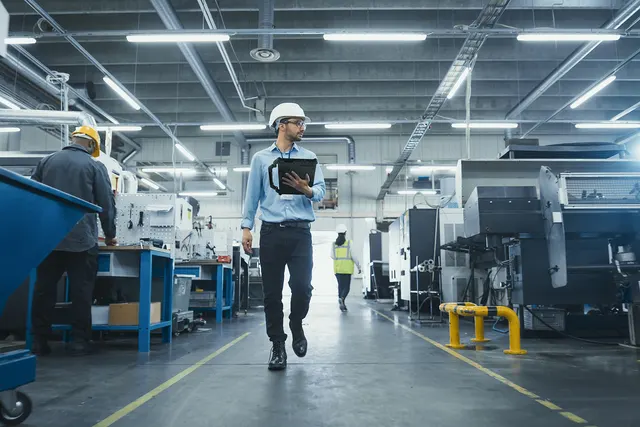
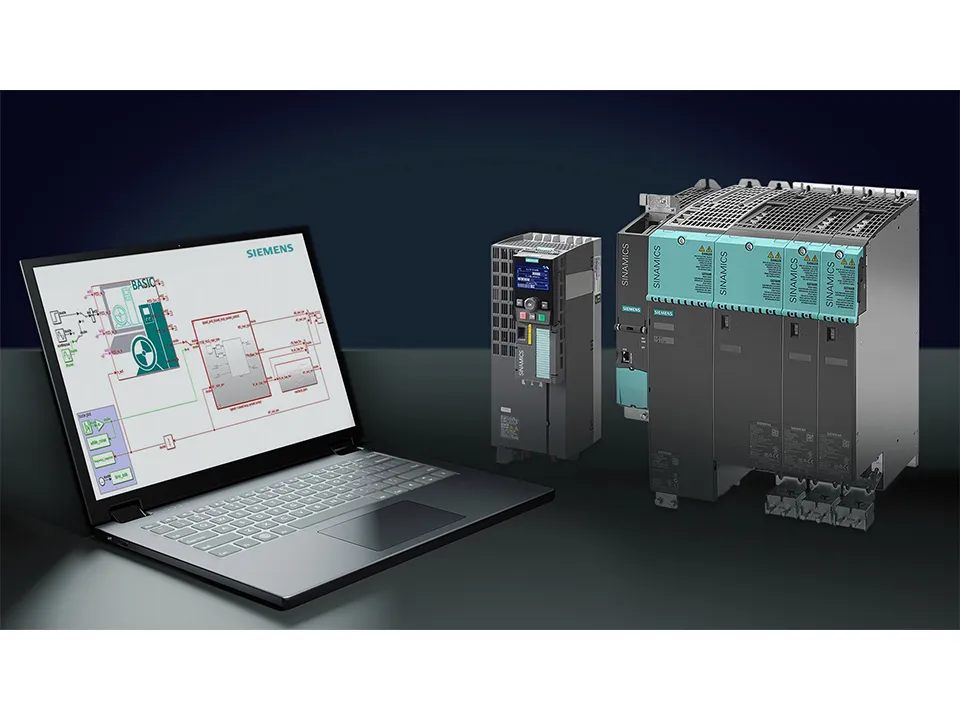
The basic principle is simple. Siemens links all data from the entire life cycle of products, production systems and information technology with data analytics and conventional control technology, and connects the production level with the office. This creates a continuous optimisation cycle. In this Industrial Internet of Things, industrial processes are modular and flexible, allowing all parameters to be optimally adapted throughout the entire life cycle. This even applies to factory buildings and the workflows of suppliers and logistics partners. The prerequisite, however, is that data reaches the right place quickly and reliably, so that an appropriate response can be made. Siemens is therefore continuing to push the boundaries of state-of-the-art technologies such as industrial 5G communications networks. These private networks will enable companies to tailor them specifically to their performance, reliability and security requirements. Siemens showed a prototype industrial 5G campus network in one of the exhibition halls. In future, it will be used at trade fairs for experiments and field tests.
To the edge and the cloud
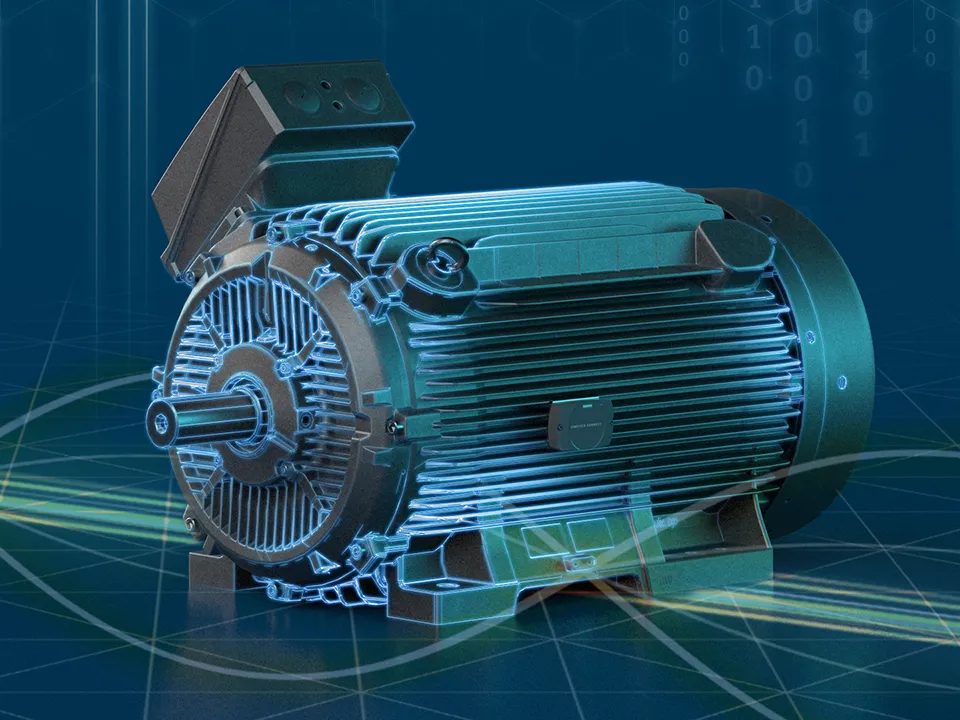
Industrial Edge is also worth mentioning here. This concept allows Siemens customers to make flexible use of the benefits of data processing at the edge or in the cloud, depending on the application.
Siemens is also expanding its edge computing offering with real-time data analysis in production and ways to apply it intelligently. In addition to connecting Simatic and Sinumerik
controllers to the Siemens Industrial Edge platform, the offering for connecting drive technology has also been expanded. After all, drive technology provides a good indication of machine availability. In addition to data on variables such as speed and torque, the drive also provides information that can typically be used for edge computing. This gives users a tool to ensure their machines operate fault-free and optimally within their parameters, such as energy consumption. Intelligent analysis technology can alert operators at an early stage to whether maintenance is required and whether energy can be saved.
Question about this story? Ask your question
Keep following this
Get an email when a new story is published. No account needed.
- SubjectSoftware, IT, OT & cybersecurity