












Four predictions for the manufacturing industry in 2025
Text Evi HussonImage Gerd Altmann en Michal Jarmoluk via Pixabay
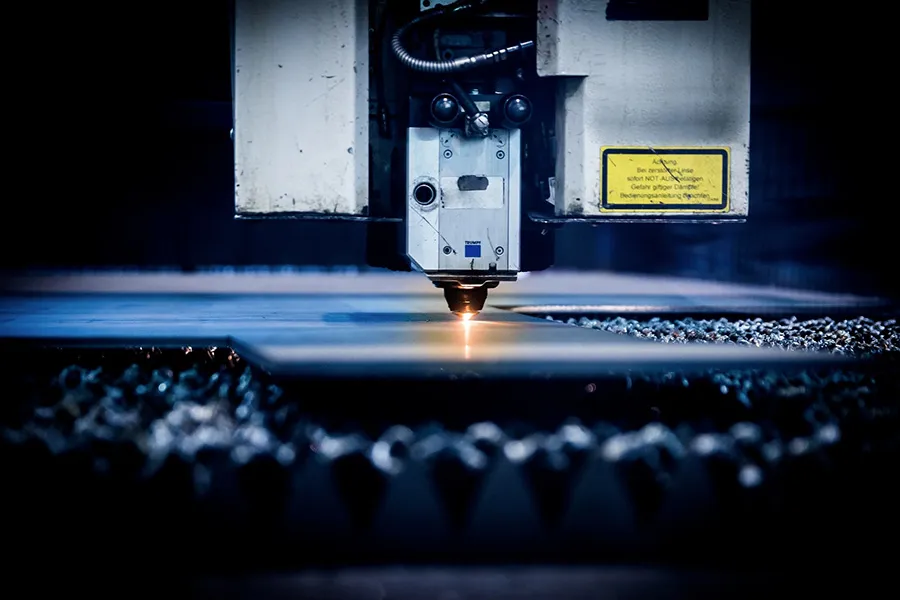
The manufacturing industry faces a range of challenges: high labour costs, rising energy prices, supply chain disruption, economic uncertainty, a shortage of technical staff, geopolitical tensions, digitalisation, the energy transition and increasingly stringent sustainability laws and regulations. It is therefore important to tackle these challenges with the right partners and resources. What will matter in 2025?
Several companies in the Netherlands went under in 2024. Examples include turbine builder EAZ Wind, yacht builder Holterman Shipyards and metalworking company Wil Waelbers Design, all of which went bankrupt. The industry faces a range of challenges, but there are also many opportunities for success. The key is to respond intelligently to challenges such as digitalisation, sustainability and ESG legislation. But which trends will matter to the manufacturing industry in 2025? Fujitsu, a provider of services and solutions that support businesses in their digital transformation, has made four predictions that will be essential to the sector’s success in 2025.

1. Changing mindsets
Today, companies generally implement sustainable processes to save on energy costs and comply with legislation. In 2025, they will need to change their mindset and make sustainability one of their key business objectives.
From tactical to strategic thinking
In practical terms, this means moving from tactical to strategic thinking. Many manufacturers still focus too much on short-term gains when adopting technologies such as artificial intelligence (AI). A company that uses computer vision solely to replace engineers and cut costs, for example, misses out on benefits such as strategic quality improvements and fewer product defects. In the long term, this can lead to a better reputation and greater market share.
Focus on objectives
The focus will also need to shift from technology to objectives. Manufacturers often get caught up in the promises of technologies such as AI without first defining their business goals. Rather than asking how they can use the technology, they should first determine what they want to achieve, including in terms of sustainability.
Holistic integration
Thirdly, Fujitsu points out that businesses must stop thinking in silos and take a holistic, integrated view instead. Digital transformation initiatives should not be treated as isolated projects. Sustainability, too, needs to be embedded throughout a product’s lifecycle. This is only possible if companies break down departmental silos and encourage collaboration.
In any case, manufacturers will benefit from AI technology in 2025. AI agents in particular have significant potential to optimise manufacturers’ supply chains.
2. Growing impact of stricter regulations
The company’s second prediction concerns the impact of new legislation, which will grow significantly. The Corporate Sustainability Reporting Directive (CSRD) will be extended substantially from 1 January. Large companies outside the EU with a turnover of more than 150 million euros will also fall under the directive, provided they have at least one subsidiary or branch in the EU. The directive therefore also affects small and medium-sized businesses, taking into account their limited resources. The EU Corporate Sustainability Due Diligence Directive (CSD), often called the Supply Chain Act, requires companies in the EU to understand and monitor the impact of their supply chains on human rights and the environment. The EU Carbon Border Adjustment Mechanism (CBAM) will also be fully implemented in 2025. This policy introduces import tariffs based on the CO2 emissions of products.
3. America follows Europe
American manufacturers are also expected to pay more attention to ESG, following the legislation being introduced in Europe. Companies operating in the EU will have to comply with the standards themselves. Businesses based solely in the US are also embracing this trend. EU legislation may eventually have a US counterpart, depending on how Donald Trump acts as US president. In any case, organisations would be wise to address this proactively. This will give them a head start on the competition, while also creating opportunities to attract environmentally conscious customers, enter new markets and improve their brand reputation.
4. Energy use will be optimised
High energy costs are a key reason why manufacturers in Europe want to optimise their energy use. This applies to every stage, from sourcing materials and logistics to factory production and a product’s end use. Companies want to understand the impact on energy consumption and CO2 emissions throughout a product’s lifecycle. By reducing energy waste, they can lower operating costs, meet their CO2 emissions reduction targets and improve their brand image in the market. Manufacturers are therefore expected to invest in solutions in 2025 that provide greater visibility into their energy consumption patterns. This will help them identify areas for improvement more quickly and implement more effective strategies.
Question about this story? Ask your question
Keep following this
Get an email when a new story is published. No account needed.
- ThemeFrom factory data to decisions
- SubjectNews







